

 wewe
wewe 
Futures trading strategies are designed to help traders navigate price movements in commodities, indices, and financial instruments. While futures markets offer flexibility and leverage, they also require a structured approach to manage risk and avoid impulsive decisions.
A well-defined strategy can make trading more consistent and easier to evaluate over time.
What a Futures Trading Strategy Involves
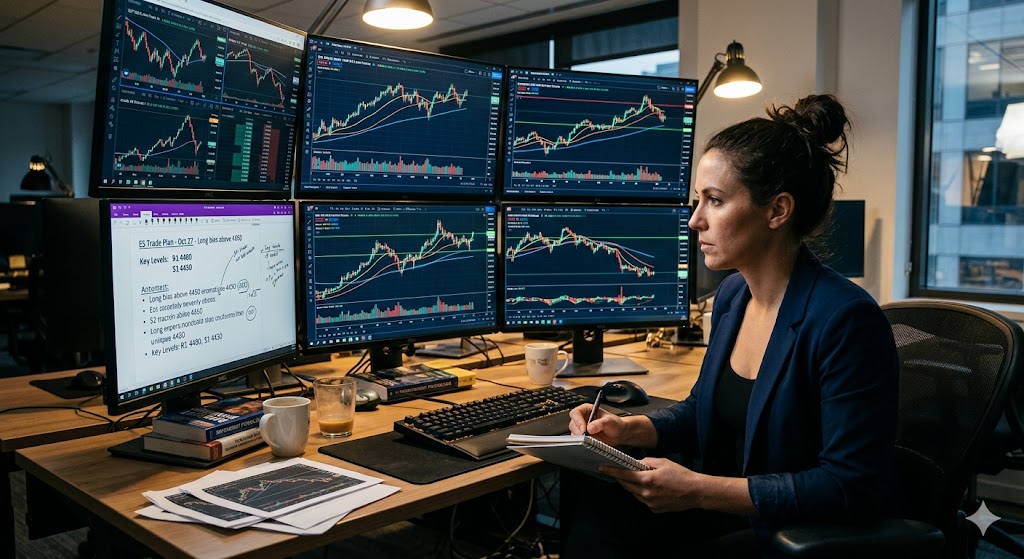
A futures trading strategy is a planned method for entering, managing, and exiting trades.
It typically includes:
- Entry and exit rules
- Risk management guidelines
- Position sizing
- Market analysis approach
Without a strategy, trading decisions often become reactive rather than deliberate.
Popular Futures Trading Strategies
Trend Following
This approach focuses on identifying and trading in the direction of an established trend.
- Buy in uptrends
- Sell in downtrends
Breakout Trading
Traders enter positions when price breaks through key levels of support or resistance.
- Aims to capture strong moves
- Often used during high volatility
Range Trading
Used in sideways markets where price moves between support and resistance levels.
- Buy near support
- Sell near resistance
Scalping
Involves making many small trades to capture minor price changes.
- Requires quick decision-making
- Higher transaction frequency
Each strategy works best under specific market conditions.
Comparing Strategy Types
| Strategy | Market Condition | Time Frame | Risk Level |
|---|---|---|---|
| Trend Following | Trending markets | Medium to long | Moderate |
| Breakout Trading | High volatility | Short to medium | Higher |
| Range Trading | Sideways markets | Short to medium | Moderate |
| Scalping | Any (high activity) | Very short | High |
Choosing the right strategy depends on both the market and your trading style.
Pro Insight
Consistency often matters more than complexity. Many successful traders use simple strategies but apply them with discipline and clear risk controls.
Refining one approach can be more effective than switching strategies frequently.
Risk Management in Futures Trading
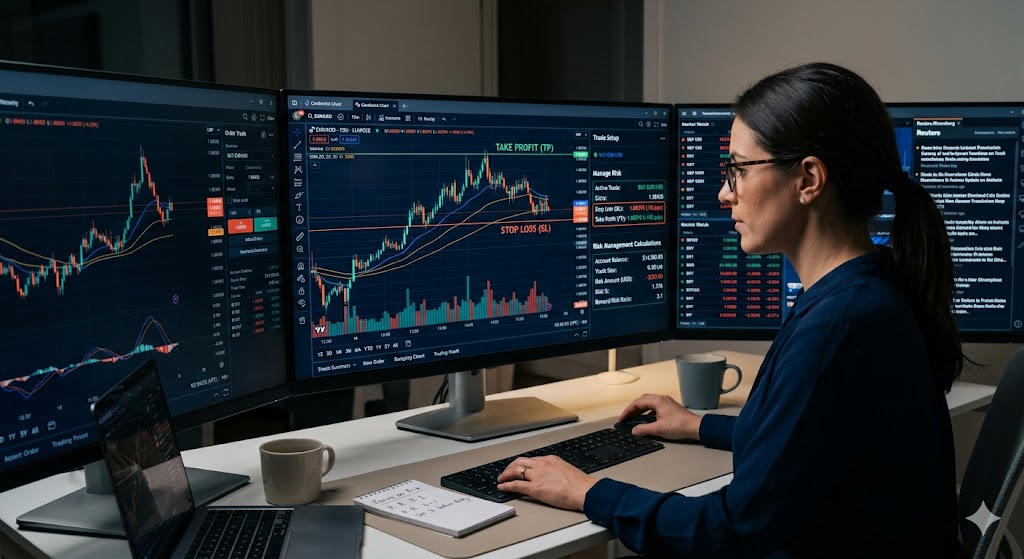
Risk management is central to any futures strategy.
Key Practices
- Set stop-loss orders for every trade
- Limit risk per trade to a small percentage of capital
- Avoid excessive leverage
- Maintain a risk-to-reward ratio
These steps help protect capital during losing periods.
Quick Tip
Define your exit strategy before entering a trade. Knowing when to exit—both for profit and loss—reduces emotional decision-making.
Real-World Scenario
A trader uses a breakout strategy:
- Price breaks above resistance
- The trader enters a long position
Two outcomes:
- With a stop-loss → losses are limited if the breakout fails
- Without a stop-loss → losses may grow quickly
Planning exits in advance changes the outcome significantly.
How to Build Your Own Strategy
- Choose a market (commodities, indices, etc.)
- Define entry signals (trend, breakout, range)
- Set risk limits and position sizes
- Test your approach over time
- Adjust based on performance
A strategy evolves with experience and observation.
Common Mistakes to Avoid
- Trading without a plan
- Using excessive leverage
- Ignoring market conditions
- Changing strategies too often
These issues can reduce consistency and increase risk.
Frequently Asked Questions
What is the best futures trading strategy?
There is no single best strategy—it depends on market conditions and your trading style.
Is futures trading suitable for beginners?
It can be complex, so beginners often start with smaller positions and learning-focused approaches.
How much capital do I need?
Requirements vary, but sufficient capital is needed to manage margin and risk.
What is the biggest risk in futures trading?
Leverage can amplify losses quickly if not managed properly.
How can I improve my trading strategy?
Consistent practice, reviewing trades, and refining rules over time can help.
Conclusion
A futures trading strategy provides structure in a fast-moving market. By combining clear entry rules, disciplined risk management, and ongoing evaluation, traders can approach futures markets with greater control.
While no strategy eliminates risk, a thoughtful approach can help create more consistent decision-making over time.
Trusted U.S. Resources
https://www.cftc.gov
https://www.sec.gov
https://www.finra.org
https://www.investor.gov
This article is for general informational purposes only and does not provide legal, financial, medical, or professional advice. Policies, rates, and regulations may change over time.