
 wewe
wewe 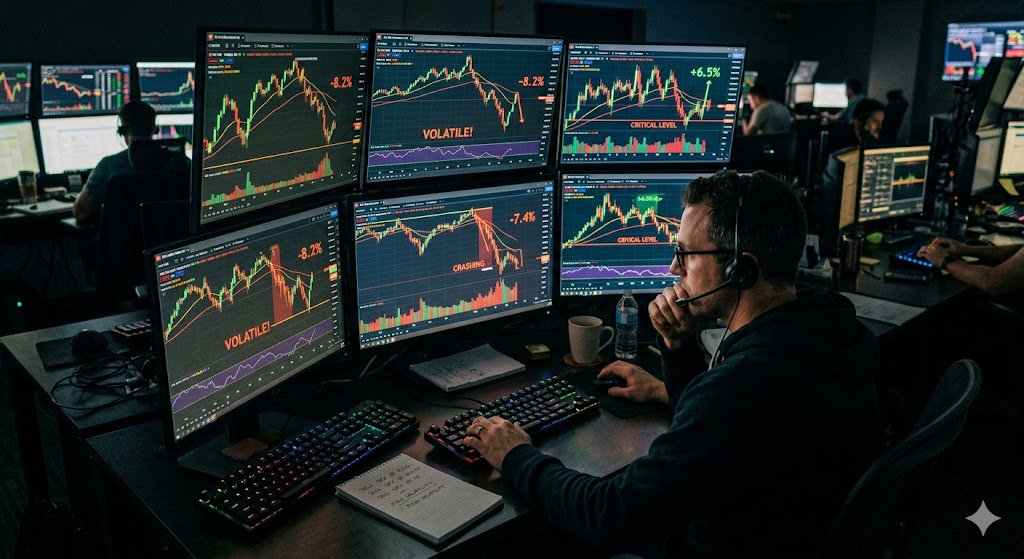
High risk trading attracts attention because of its potential for fast gains—but it also comes with equally fast losses. For many traders, the challenge isn’t just finding opportunities, but understanding how much risk they are actually taking.
Before engaging in high risk trading, it’s important to understand how it works, what drives the risk, and how to approach it with discipline.
What High Risk Trading Means
High risk trading refers to strategies that involve significant exposure to market volatility, often with the potential for large gains or losses in a short time.
Common characteristics include:
- Use of leverage or margin
- Trading highly volatile assets
- Short-term positions
- Frequent buying and selling
These factors amplify both profit potential and downside risk.
Common High Risk Trading Methods
Leveraged Trading
Using borrowed funds to increase position size. While gains can be amplified, losses can quickly exceed initial expectations.
Day Trading
Opening and closing positions within the same day, relying on short-term price movements.
Options Trading
Contracts that derive value from underlying assets. These can be complex and sensitive to time and volatility.
Cryptocurrency Trading
Markets that operate 24/7 and often experience rapid price swings.
Each method carries different types of risk, but all require careful management.
Comparing High Risk vs Lower Risk Trading
| Feature | High Risk Trading | Lower Risk Investing |
|---|---|---|
| Time Horizon | Short-term | Long-term |
| Volatility Exposure | High | Moderate to low |
| Use of Leverage | Common | Rare |
| Potential Outcomes | Large gains or losses | More gradual changes |
| Skill Requirement | High | Moderate |
High risk trading is typically more active and demanding.
Pro Insight
The biggest risk in high risk trading is not volatility—it’s overexposure. Many losses occur when traders commit too much capital to a single position without considering worst-case scenarios.
Managing position size is often more important than predicting market direction.
Key Risks to Understand
Market Volatility
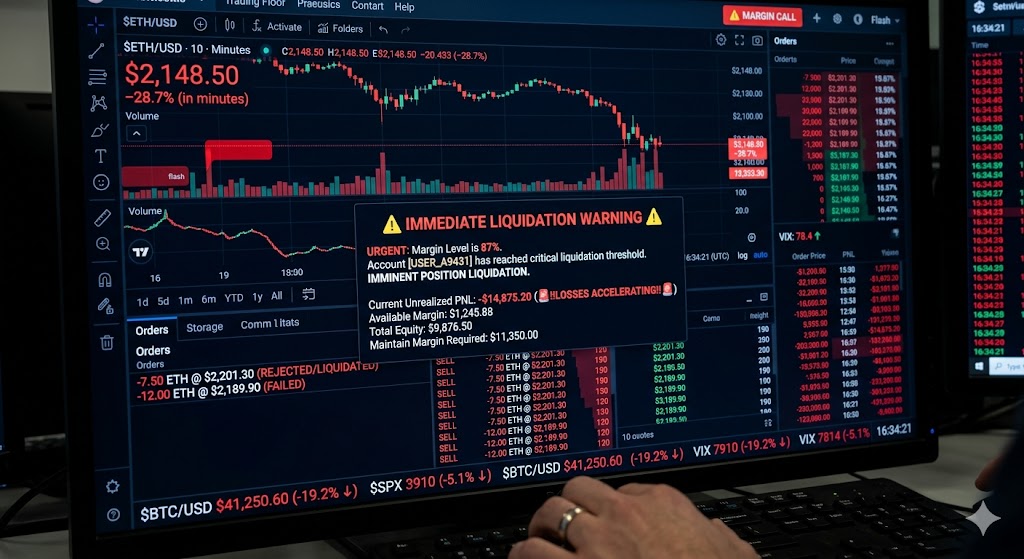
Prices can move sharply in seconds, especially in leveraged positions.
Liquidation Risk
If losses exceed your margin, positions can be automatically closed.
Emotional Decision-Making
Fast-moving markets can lead to impulsive trades.
Overtrading
Frequent trades increase costs and exposure to mistakes.
Understanding these risks is essential before participating.
Quick Tip
Start small. Testing strategies with limited capital can help you understand market behavior without exposing yourself to large losses.
Real-World Scenario
A trader enters a highly leveraged position expecting a quick price move.
- The market moves slightly against them
- Losses accumulate faster than expected
- The position is liquidated before recovery
Another trader uses lower leverage:
- The same price movement results in manageable losses
- The position remains open
Same market conditions, different outcomes due to risk management.
Risk Management Approaches
- Use stop-loss orders to limit downside
- Avoid excessive leverage
- Diversify positions instead of concentrating risk
- Set clear entry and exit rules
- Monitor trades regularly
These steps don’t eliminate risk—but they help control it.
Common Mistakes to Avoid
- Trading without a defined strategy
- Chasing rapid price movements
- Ignoring risk-to-reward ratios
- Letting losses run too long
These patterns often lead to avoidable losses.
Frequently Asked Questions
What is considered high risk trading?
It includes strategies with significant exposure to volatility, leverage, or short-term market movements.
Can beginners try high risk trading?
They can, but it’s generally recommended to start cautiously and focus on learning first.
Is high risk trading profitable?
It can be, but outcomes vary widely and losses are common.
What is the biggest risk in trading?
Overexposure and poor risk management are major factors.
How can I reduce trading risk?
Using lower leverage, setting limits, and following a structured plan can help.
Conclusion
High risk trading offers opportunities, but it also demands discipline and awareness. The same factors that create potential gains—leverage, speed, and volatility—can also lead to rapid losses.
Approaching trading with a focus on risk management, rather than just profit, can help create a more balanced and sustainable experience over time.
Trusted U.S. Resources
https://www.sec.gov
https://www.finra.org
https://www.investor.gov
https://www.cftc.gov
This article is for general informational purposes only and does not provide legal, financial, medical, or professional advice. Policies, rates, and regulations may change over time.