
 wewe
wewe 
Funding rates are a key concept in perpetual futures trading, often overlooked by beginners but critical for understanding real trading costs and market behavior. They don’t just affect profits—they can shape how long you hold a position and even signal market sentiment.
What Funding Rates Are
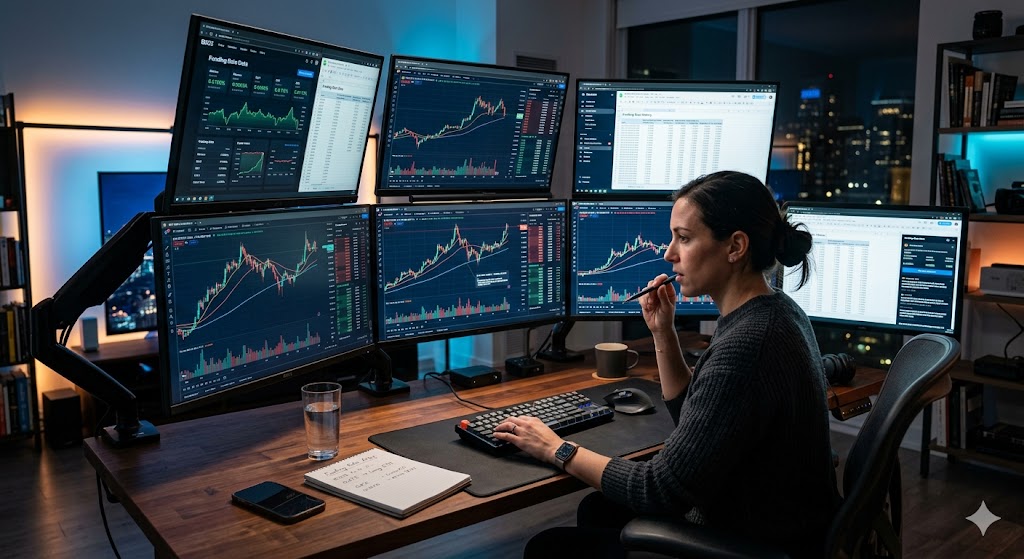
A funding rate is a periodic payment exchanged between traders holding long and short positions in perpetual futures contracts. (Coinbase)
Key points:
- It is not a fee paid to the exchange
- It happens at regular intervals (often every few hours)
- It depends on market conditions
- It applies to the full position size, not just margin
The main purpose is to keep the futures price close to the actual (spot) market price.
How Funding Rates Work
Perpetual futures don’t expire, so they need a mechanism to stay aligned with real market prices.
Here’s how funding maintains that balance:
- If futures price is above spot price → funding becomes positive
- If futures price is below spot price → funding becomes negative
This creates incentives for traders to push prices back toward equilibrium. (osl.com)
Positive vs Negative Funding Rates
| Scenario | Who Pays | Market Signal |
|---|---|---|
| Positive Funding | Longs pay shorts | Bullish bias (more buyers) |
| Negative Funding | Shorts pay longs | Bearish bias (more sellers) |
This payment system reflects market positioning, not guaranteed price direction.
Pro Insight
Funding rates are often misunderstood as trading signals. In reality, they’re better viewed as cost indicators and sentiment clues.
Extreme funding—very high or very low—usually means one side of the market is overcrowded, which can increase volatility.
Why Funding Rates Matter
1. Real Cost of Holding Positions
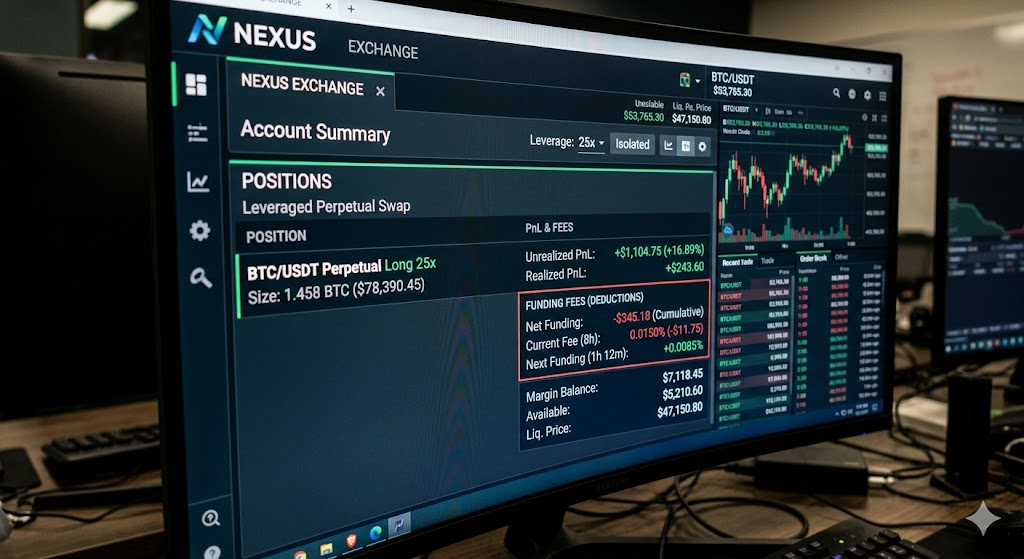
Even if price doesn’t move, funding payments can reduce profits or increase losses over time. (Blockspot.io)
2. Impact on Leveraged Trades
Because funding applies to total position size, leverage amplifies its effect.
3. Market Sentiment Indicator
- Positive funding → more traders are long
- Negative funding → more traders are short
4. Long-Term Position Risk
Holding positions across many funding intervals can significantly change outcomes.
Quick Tip
Before entering a trade, check the current funding rate. A high rate can quietly increase your cost even if your trade idea is correct.
Real-World Scenario
A trader opens a long position in a market with high positive funding:
- Price barely moves
- Funding payments are deducted every few hours
- Over time, profits shrink—or turn into losses
Meanwhile, a short trader in the same market may earn funding without relying on price movement.
What Affects Funding Rates
- Difference between futures price and spot price
- Market demand for long vs short positions
- Volatility and leverage usage
- Exchange-specific formulas
Funding rates are dynamic and can change frequently throughout the day. (osl.com)
Common Mistakes to Avoid
- Ignoring funding when holding positions long-term
- Using high leverage without considering funding costs
- Treating funding as a guaranteed trading signal
- Not checking funding intervals and timing
These mistakes often lead to unexpected losses.
Frequently Asked Questions
What is a funding rate in simple terms?
It’s a periodic payment between traders in perpetual futures to keep prices aligned with the real market.
How often are funding rates paid?
Typically every few hours, depending on the exchange.
Do I always pay funding?
No, you either pay or receive it depending on your position and the rate.
Is funding rate a fee from the exchange?
No, it’s exchanged directly between traders.
Can funding rates affect profits significantly?
Yes, especially for leveraged or long-term positions.
Conclusion
Funding rates are a core part of perpetual futures trading, influencing both cost and market behavior. While they may seem small at first glance, their cumulative effect can meaningfully impact trading outcomes.
Understanding funding rates helps you make more informed decisions—not just about when to enter a trade, but how long to stay in it.
Trusted U.S. Resources
https://www.cftc.gov
https://www.sec.gov
https://www.finra.org
https://www.investor.gov
This article is for general informational purposes only and does not provide legal, financial, medical, or professional advice. Policies, rates, and regulations may change over time.