

 wewe
wewe 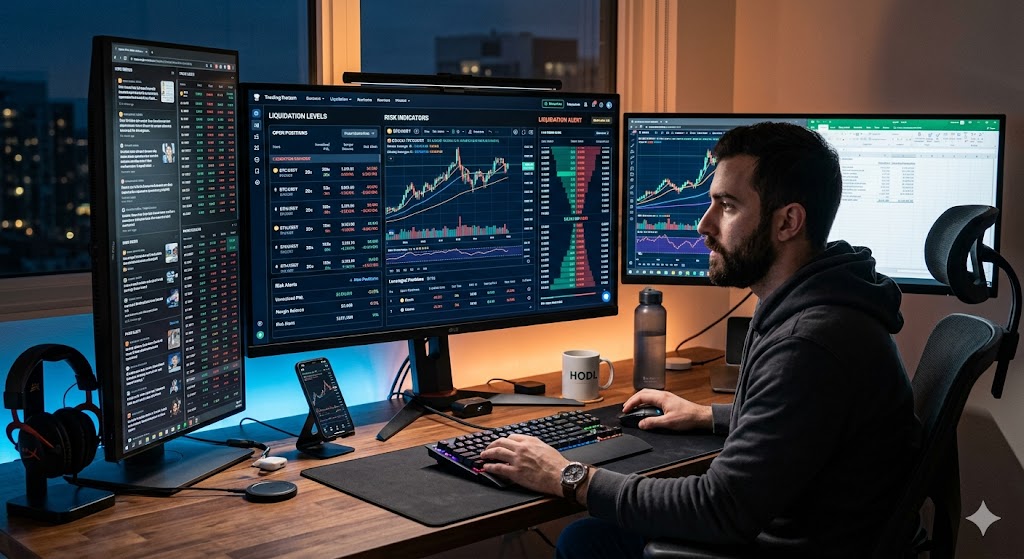
Liquidation price is one of the most important concepts in leveraged trading. It represents the exact price point at which your position is automatically closed by your broker to prevent further losses.
For traders using margin or leverage, understanding liquidation price isn’t optional—it’s essential for managing risk.
What Liquidation Price Means
Liquidation price is the threshold where your losses reach a level that your remaining margin can no longer support the position.
When this happens:
- Your position is automatically closed
- You lose most or all of your margin
- The broker prevents your balance from going negative (in many cases)
This process is automated and happens quickly, especially in volatile markets.
How Liquidation Price Works
In leveraged trading, your position is backed by collateral (your margin). As the market moves against you:
- Your unrealized losses increase
- Your margin balance decreases
- Once it falls below a required level, liquidation is triggered
For example:
- You open a leveraged long position
- The market price drops
- If it drops far enough, your position is liquidated
The same logic applies in reverse for short positions.
Key Factors That Affect Liquidation Price
| Factor | Impact on Liquidation Price |
|---|---|
| Leverage Level | Higher leverage = closer liquidation |
| Entry Price | Determines starting position |
| Margin Amount | More margin = more buffer |
| Maintenance Margin | Minimum required to keep position open |
| Fees & Funding | Can slightly shift liquidation level |
Higher leverage reduces the distance between your entry price and liquidation price, increasing risk.
Pro Insight
Many traders focus on potential profits, but experienced traders often focus first on liquidation levels. Knowing exactly where your position fails helps you size trades more responsibly.
In practice, risk control often matters more than entry timing.
Long vs Short Liquidation
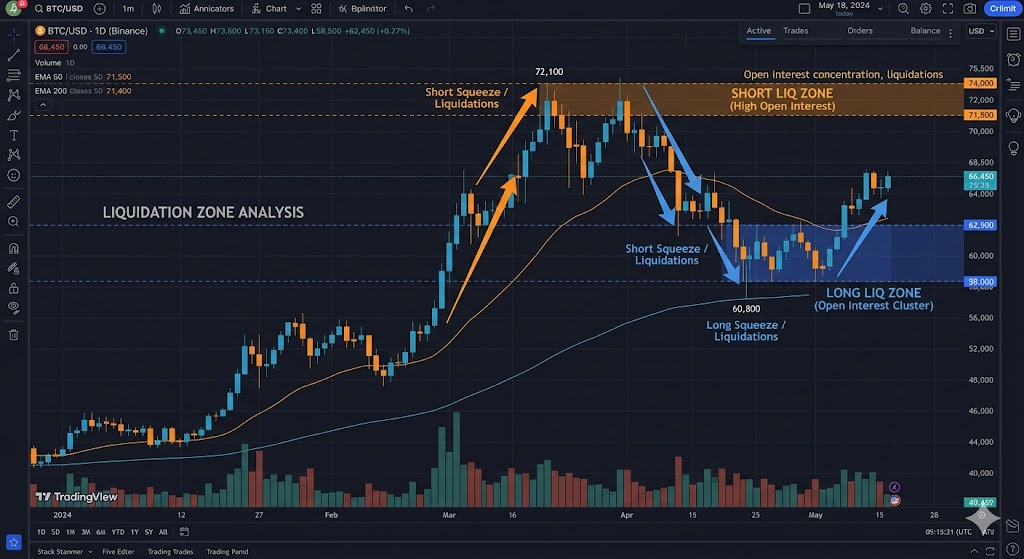
Long Position Liquidation
- Happens when price drops
- The lower the price goes, the closer you get to liquidation
Short Position Liquidation
- Happens when price rises
- The higher the price goes, the closer you get to liquidation
This difference is critical. Direction determines where your risk lies.
Quick Tip
Use lower leverage if you want a wider safety margin. Even reducing leverage slightly can significantly move your liquidation price further away from your entry.
Real-World Scenario
A trader opens a position with 10x leverage.
- A 10% market move against them can wipe out their margin
- The position gets liquidated automatically
Another trader uses 2x leverage:
- The same market move results in a smaller loss
- The position remains open, allowing more flexibility
Same market. Different outcomes—because of leverage.
Common Mistakes to Avoid
- Using high leverage without calculating liquidation price
- Ignoring maintenance margin requirements
- Not setting stop-loss orders before liquidation
- Assuming markets will reverse in time
Liquidation often happens faster than expected, especially during sharp market moves.
How to Manage Liquidation Risk
- Use lower leverage
- Add more margin to increase buffer
- Set stop-loss orders before liquidation levels
- Monitor positions actively in volatile markets
Risk management is the only reliable way to stay in the game long term.

Frequently Asked Questions
What is liquidation price in trading?
It’s the price at which your leveraged position is automatically closed due to insufficient margin.
Can you avoid liquidation?
You can reduce the risk by using lower leverage, adding margin, or setting stop-loss orders.
Does liquidation mean losing all your money?
Often, most or all of the margin used in that position is lost, but it depends on the platform.
How is liquidation price calculated?
It’s based on your entry price, leverage, margin, and maintenance margin requirements.
Is liquidation different for long and short trades?
Yes. Long positions liquidate when price drops, while short positions liquidate when price rises.
Conclusion
Liquidation price is a built-in safeguard in leveraged trading—but for traders, it represents a critical risk threshold. Understanding where it sits and how it moves can help you make more disciplined decisions.
Rather than focusing only on potential gains, keeping an eye on liquidation levels can help you stay in control when markets become unpredictable.
Trusted U.S. Resources
https://www.sec.gov
https://www.finra.org
https://www.investor.gov
https://www.cftc.gov
This article is for general informational purposes only and does not provide legal, financial, medical, or professional advice. Policies, rates, and regulations may change over time.