
 wewe
wewe 
Crypto futures trading allows traders to speculate on the future price of digital assets without directly owning them. While it opens the door to flexible strategies—including profiting in both rising and falling markets—it also introduces a higher level of complexity and risk.
For those considering this approach, understanding how futures contracts work is essential before placing a single trade.
What Is Crypto Futures Trading
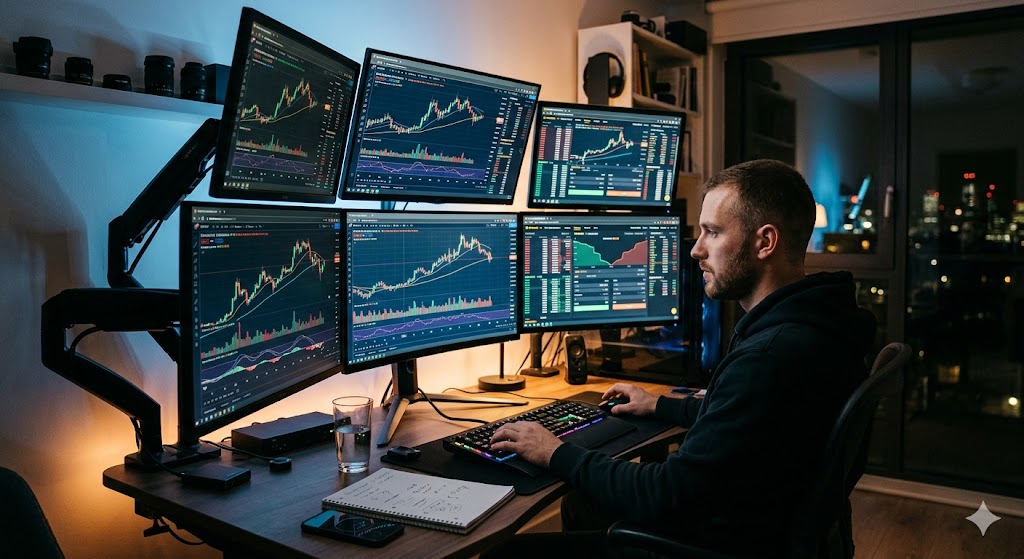
Crypto futures are contracts that let you agree to buy or sell an asset at a predetermined price at a future date. Unlike spot trading, you’re not purchasing the actual asset—you’re trading a contract based on its price.
Key features include:
- Ability to go long (bet on price increase)
- Ability to go short (bet on price decrease)
- Often includes leverage, which amplifies both gains and losses
Many platforms also offer perpetual futures, which don’t have an expiration date but include funding fees to keep prices aligned with the market.
How Crypto Futures Work
In a futures trade, you choose:
- The asset (such as Bitcoin or Ethereum)
- Position type (long or short)
- Contract size
- Leverage level (if used)
If the market moves in your favor, you profit based on the price difference. If it moves against you, losses can accumulate quickly—especially when leverage is involved.
A simple scenario:
A trader opens a long position expecting price to rise. If the price increases, the contract gains value. If it falls, the position loses value and may be liquidated if losses exceed the margin.
Spot Trading vs Futures Trading
| Feature | Spot Trading | Futures Trading |
|---|---|---|
| Ownership | Own the asset | Trade contracts |
| Leverage | Usually none | Commonly used |
| Risk level | Moderate | Higher |
| Profit in downturn | No | Yes (short selling) |
| Complexity | Lower | Higher |
Futures trading offers more flexibility, but also requires more discipline.
Pro Insight
Leverage is often seen as the main advantage of futures trading, but it’s also the primary source of losses. Many experienced traders use lower leverage—or none at all—to maintain better control over risk.
Consistency tends to come from managing exposure, not maximizing it.
Key Concepts to Understand
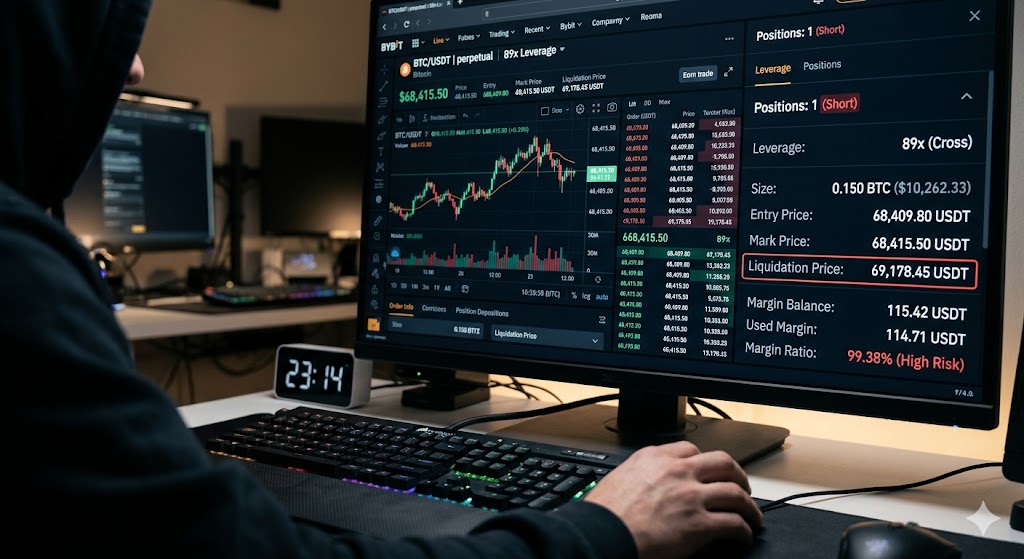
Before trading futures, it’s important to understand a few core terms:
Margin
The amount of capital you commit to open a position.
Leverage
Borrowed exposure that increases position size relative to your capital.
Liquidation
When losses reach a level where the platform automatically closes your position to prevent further loss.
Funding Rate
A periodic payment between traders in perpetual futures, keeping prices aligned with the underlying asset.
Each concept directly affects how your trades behave in real time.
Risk Management Strategies
Futures trading requires strict risk control.
Best practices include:
- Limiting risk per trade (often 1–2% of capital)
- Using stop-loss orders
- Avoiding high leverage in volatile markets
- Diversifying positions rather than concentrating risk
A simple example:
A trader with $1,000 capital risks $20 per trade. Even after several losses, the account remains stable enough to continue trading.
Quick Tip
Start with the lowest possible leverage—or none at all—until you fully understand how price movements affect your position and margin.
Common Mistakes to Avoid
Crypto futures trading often exposes emotional decision-making.
Frequent mistakes include:
- Using excessive leverage
- Ignoring liquidation levels
- Trading without a clear plan
- Overtrading during volatile conditions
Even small errors can escalate quickly due to the amplified nature of futures contracts.
Frequently Asked Questions
Is crypto futures trading risky?
Yes. The use of leverage and market volatility can lead to rapid gains or losses.
Can beginners trade crypto futures?
They can, but it’s generally recommended to start with spot trading first to build experience.
What is liquidation in futures trading?
It’s when your position is automatically closed due to insufficient margin after losses.
Do I need leverage to trade futures?
No. Some platforms allow low or no leverage, though many traders still use it cautiously.
How is profit calculated in futures trading?
Profit is based on the difference between your entry and exit price, adjusted for position size and leverage.
Conclusion
Crypto futures trading offers flexibility and the ability to profit in different market conditions, but it comes with higher complexity and risk. Understanding how contracts, leverage, and margin interact is essential before committing capital.
For many traders, success in futures trading comes down to discipline—managing risk carefully while staying consistent in execution.
https://www.sec.gov
https://www.cftc.gov
https://www.investor.gov
https://www.finra.org
This article is for general informational purposes only and does not provide legal, financial, medical, or professional advice. Policies, rates, and regulations may change over time.