
 wewe
wewe 
Learn how whale wallet tracking works in 2026, why traders watch it closely, and how to use large-wallet activity to manage risk without chasing hype.
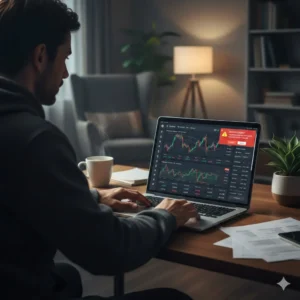
In crypto markets, price often moves after big players act. That’s why whale wallet tracking has become one of the most watched on-chain techniques. It focuses on monitoring large holders—known as whales—to understand when significant capital shifts are happening behind the scenes.
However, whale tracking is not about copying trades. It’s about context. A whale move can signal accumulation, distribution, or simple internal transfers. Knowing the difference helps you avoid emotional decisions when volatility spikes.
For example, a sudden large transfer to an exchange doesn’t always mean a sell-off is coming. Still, it’s information worth respecting.
What Whale Wallet Tracking Really Means
Whale wallet tracking is the practice of monitoring blockchain addresses that hold very large amounts of cryptocurrency. These wallets often belong to:
- early adopters
- funds and institutions
- exchanges
- large private investors
Because blockchains are transparent, their movements are visible in real time. When these wallets move funds, traders pay attention.
If you’re new to this concept, combining it with a broader crypto on-chain data guide helps you see whale activity in proper context.
Why Whale Wallets Matter So Much
Whales control a meaningful portion of supply. Their actions can influence:
- liquidity
- volatility
- short-term sentiment
When whales move coins, it can:
- add sell pressure (exchange deposits)
- reduce available supply (long-term storage)
- signal preparation for large trades
Real-life micro-scenario:
A trader notices multiple large Bitcoin wallets moving funds off exchanges over several days. Price remains flat. Instead of shorting, the trader reduces risk and waits. Later, price breaks upward as supply tightens.
The whale moves didn’t predict the rally—but they warned against betting aggressively against it.
The Most Common Whale Wallet Signals
Not all whale movements mean the same thing. Context matters.
Exchange inflows
Large transfers to exchanges may suggest selling intent. Still, some are used as collateral or internal exchange movements.
Exchange outflows
Large withdrawals from exchanges often suggest accumulation or long-term holding.
Dormant wallet activity
When wallets inactive for years suddenly move, markets often react. These moves can signal redistribution or internal restructuring.
Repeated structured transfers
Multiple similar-sized transfers over time can suggest planned execution rather than panic.
Understanding these patterns prevents overreaction.
Whale Wallet Tracking vs Price Action
| Feature | Whale Wallet Tracking | Price Charts |
|---|---|---|
| Data source | Blockchain transfers | Market trades |
| Timing | Often early | Often reactive |
| Best use | Context & risk | Entries & exits |
| Weakness | Can be misleading | Misses hidden flows |
| Ideal approach | Confirmation | Execution |
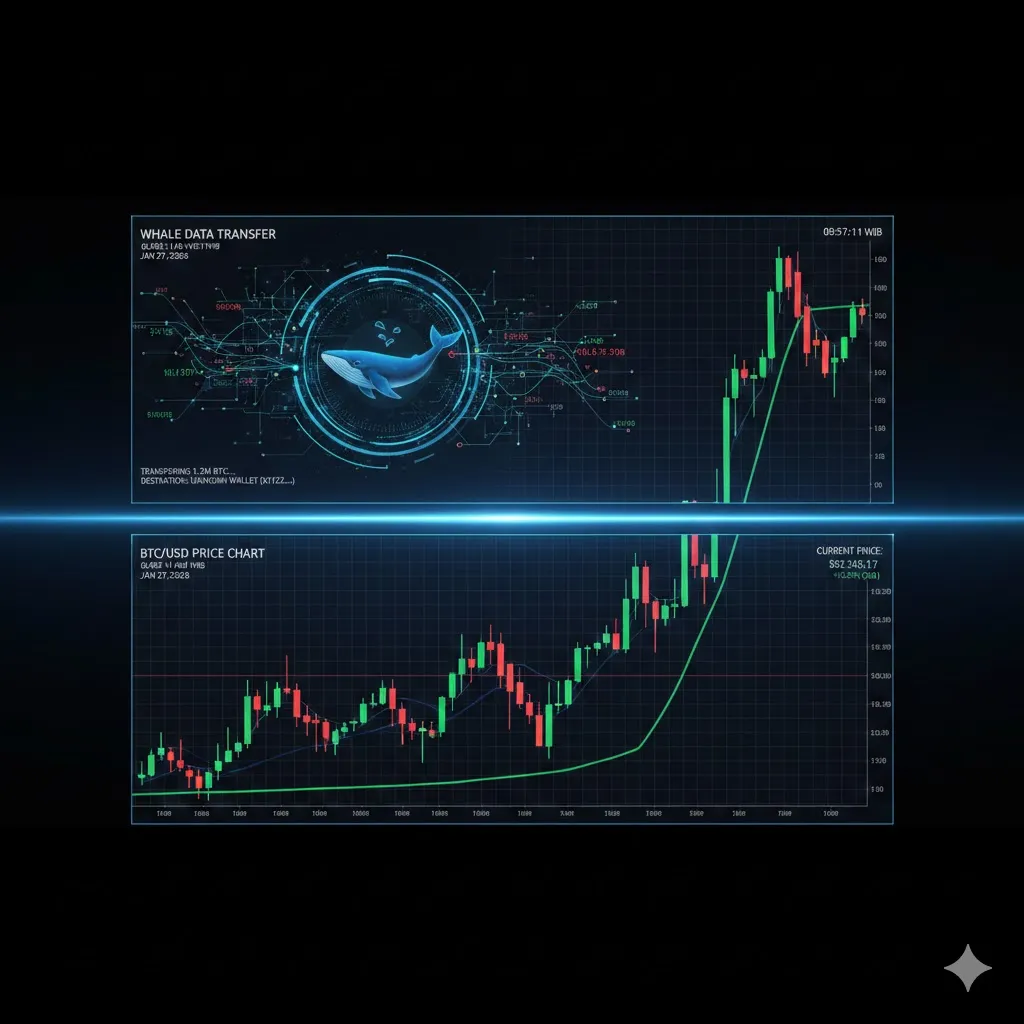
This is why whale tracking works best as a supporting signal, not a standalone strategy.
How Traders Use Whale Tracking in Practice
Most experienced traders don’t follow whales blindly. They use whale data to manage exposure.
Common uses include:
- reducing leverage during heavy exchange inflows
- avoiding breakouts during distribution signals
- confirming accumulation during consolidation
- adjusting position size before major volatility
For derivatives traders, pairing whale tracking with funding rates and open interest adds another layer of safety.
Pro Insight
The most useful whale signals come from clusters of behavior, not single transactions. One transfer means little. Patterns mean more.
Common Mistakes With Whale Wallet Tracking
Assuming every whale is smart money
Some whales make bad decisions too. Size doesn’t guarantee skill.
Reacting to single transactions
One large transfer without context often leads to false signals.
Ignoring exchange wallets
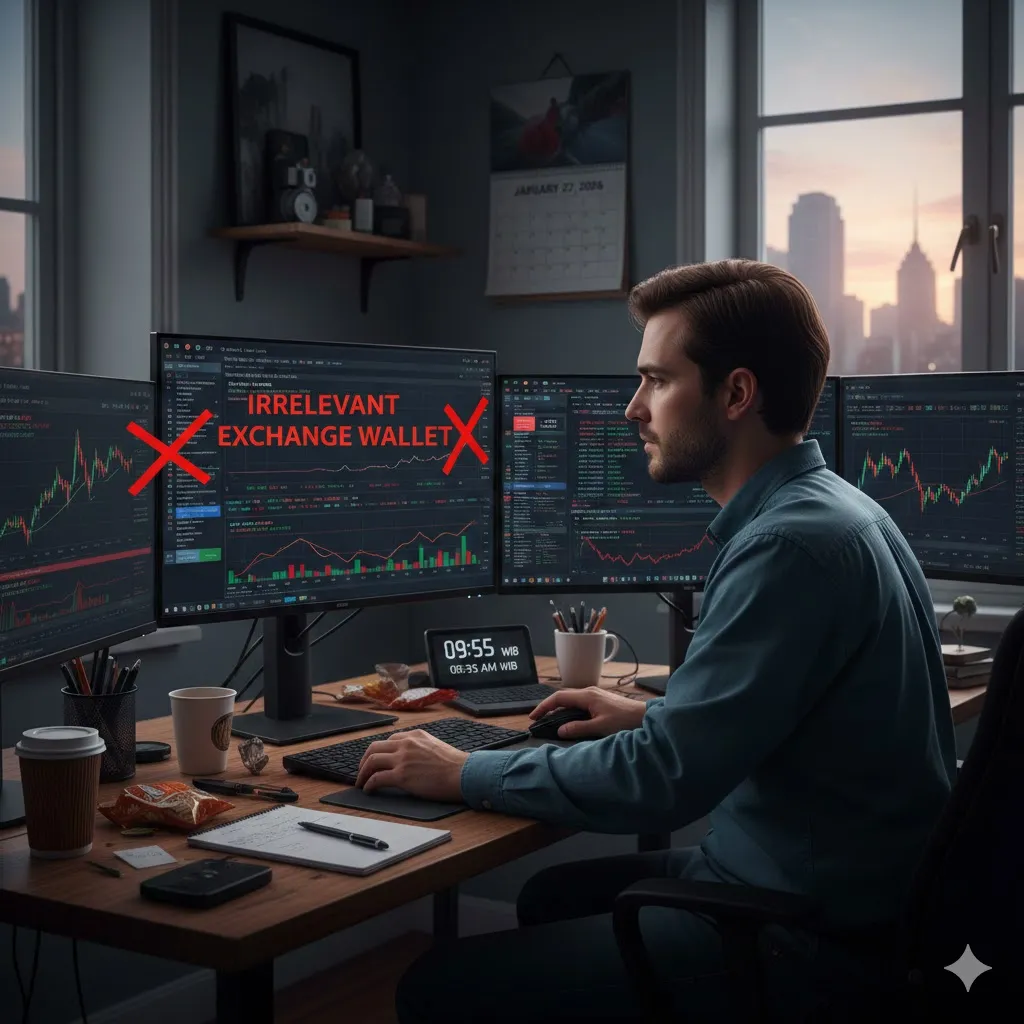
Many “whale alerts” are internal exchange movements, not real market intent.
Forgetting market structure
Whale data can look bearish while price structure stays strong. Always confirm with charts.
A disciplined risk management checklist helps keep whale tracking grounded.
Quick Tip
Before reacting to a whale alert, check if the address belongs to an exchange. Exchange internal transfers are common and often meaningless.
FAQs About Whale Wallet Tracking
What is considered a whale wallet?
Usually wallets holding a very large amount of a specific cryptocurrency, though thresholds vary by asset.
Does whale wallet tracking predict price moves?
No. It provides context and risk signals, not guaranteed predictions.
Are whale alerts always bearish?
No. Many whale moves are neutral or even bullish depending on direction and context.
Can beginners use whale tracking effectively?
Yes, if they focus on simple signals like exchange inflows and avoid overreacting.
Is whale tracking useful for short-term trading?
It’s more useful for risk awareness than precise entries, especially in volatile markets.
Disclaimer
This article is for general informational purposes only and does not provide financial or investment advice. Crypto markets are volatile, and on-chain data does not guarantee outcomes.