

 wewe
wewe 
Sending and receiving crypto is one of the core functions of digital assets. While the process is straightforward, it requires attention to detail—especially since transactions are typically irreversible.
Whether you’re transferring funds between wallets or receiving payment, understanding the steps involved can help you avoid costly mistakes and move funds with confidence.
How Sending Crypto Works
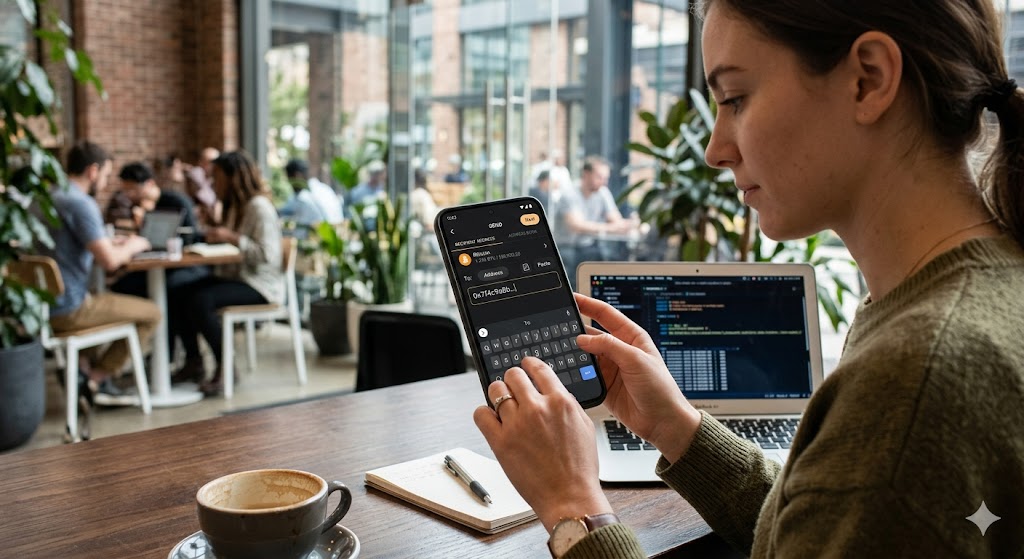
When you send cryptocurrency, you’re instructing the blockchain network to transfer ownership of your assets to another wallet address.
Here’s how the process typically works:
- Enter the recipient’s wallet address
- Choose the amount to send
- Select the correct blockchain network
- Confirm the transaction
Once submitted, the transaction is broadcast to the network and confirmed by validators or miners.
A key point to remember—wallet addresses must be entered exactly. Even a small error can result in lost funds.
How to Receive Crypto
Receiving crypto is generally simpler than sending it.
You only need to:
- Open your wallet or exchange account
- Locate your unique wallet address
- Share that address with the sender
Some platforms also provide a QR code to reduce input errors. Once the sender completes the transaction, the funds will appear after network confirmations.
Common Networks and Transfer Differences
Not all crypto transactions behave the same way. Different networks have different speeds and fees.
| Network Type | Speed | Fees | Typical Use |
|---|---|---|---|
| Bitcoin | Slower | Moderate to high | Large transfers |
| Ethereum | متوسط | Variable | Tokens and apps |
| Layer 2 Solutions | Faster | Lower | Frequent transfers |
Choosing the correct network is critical. Sending assets on the wrong network can lead to complications or loss.
Pro Insight
Always perform a small test transaction before sending a large amount. This extra step helps confirm that the address, network, and wallet compatibility are correct.
Fees and Confirmation Times
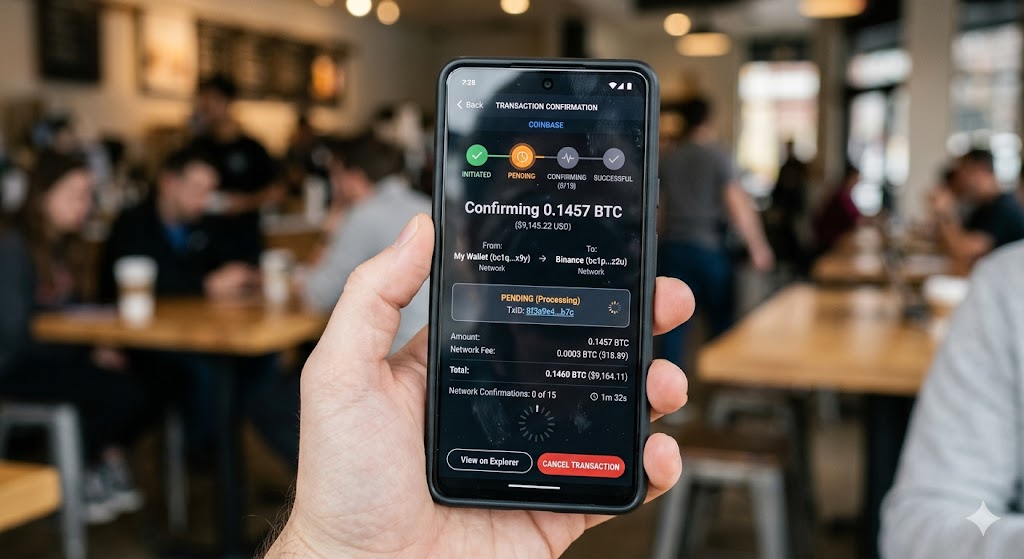
Crypto transactions are not free. Fees depend on network demand and transaction size.
- Higher fees often result in faster confirmations
- Lower fees may delay processing
- Some exchanges add their own withdrawal fees
Confirmation times vary:
- Bitcoin may take 10–60 minutes
- Ethereum can take a few minutes to longer during congestion
- Faster networks can settle in seconds
Quick Tip
Double-check both the wallet address and network before confirming any transaction. A few seconds of review can prevent permanent loss.
Wallet Types and Their Role
Understanding where your crypto is stored affects how you send and receive funds.
- Exchange wallets are easy to use but controlled by a platform
- Software wallets provide more control on your device
- Hardware wallets store assets offline for added security
Each option involves a trade-off between convenience and control.
Common Mistakes to Avoid
Many users encounter issues when they overlook simple details:
- Sending crypto to the wrong address
- Choosing an incompatible network
- Ignoring transaction fees
- Copying addresses incorrectly
- Rushing through confirmations
Taking a slow and careful approach is often the safest strategy.
Real-world Scenario
Imagine sending funds from an exchange to a personal wallet. You copy the wallet address, paste it into the exchange, and select a network.
If the wallet supports only one network but you choose another, the transaction may not arrive as expected. In some cases, recovery is difficult or not possible.
This is why compatibility matters as much as accuracy.
Frequently Asked Questions
How long does it take to send crypto
It depends on the network. Some transactions take minutes, while others may take longer during congestion.
Can I cancel a crypto transaction
In most cases, no. Once confirmed on the blockchain, transactions cannot be reversed.
Is it safe to share my wallet address
Yes, wallet addresses are designed to be shared for receiving funds.
What happens if I send crypto to the wrong address
The funds are usually unrecoverable, which is why accuracy is critical.
Do I need the internet to receive crypto
Your wallet doesn’t need to be online to receive funds, but you need internet access to view and manage them.
Conclusion
Sending and receiving crypto is a fundamental skill for anyone using digital assets. While the steps are simple, the responsibility lies in accuracy, network selection, and security awareness.
By starting with small transfers, double-checking details, and understanding how networks operate, you can move crypto confidently and reduce the risk of errors.
Trusted U.S. Resources
https://www.investor.gov
https://www.sec.gov
https://www.cftc.gov
https://www.federalreserve.gov
This article is for general informational purposes only and does not provide legal, financial, medical, or professional advice. Policies, rates, and regulations may change over time.