 wewe
wewe 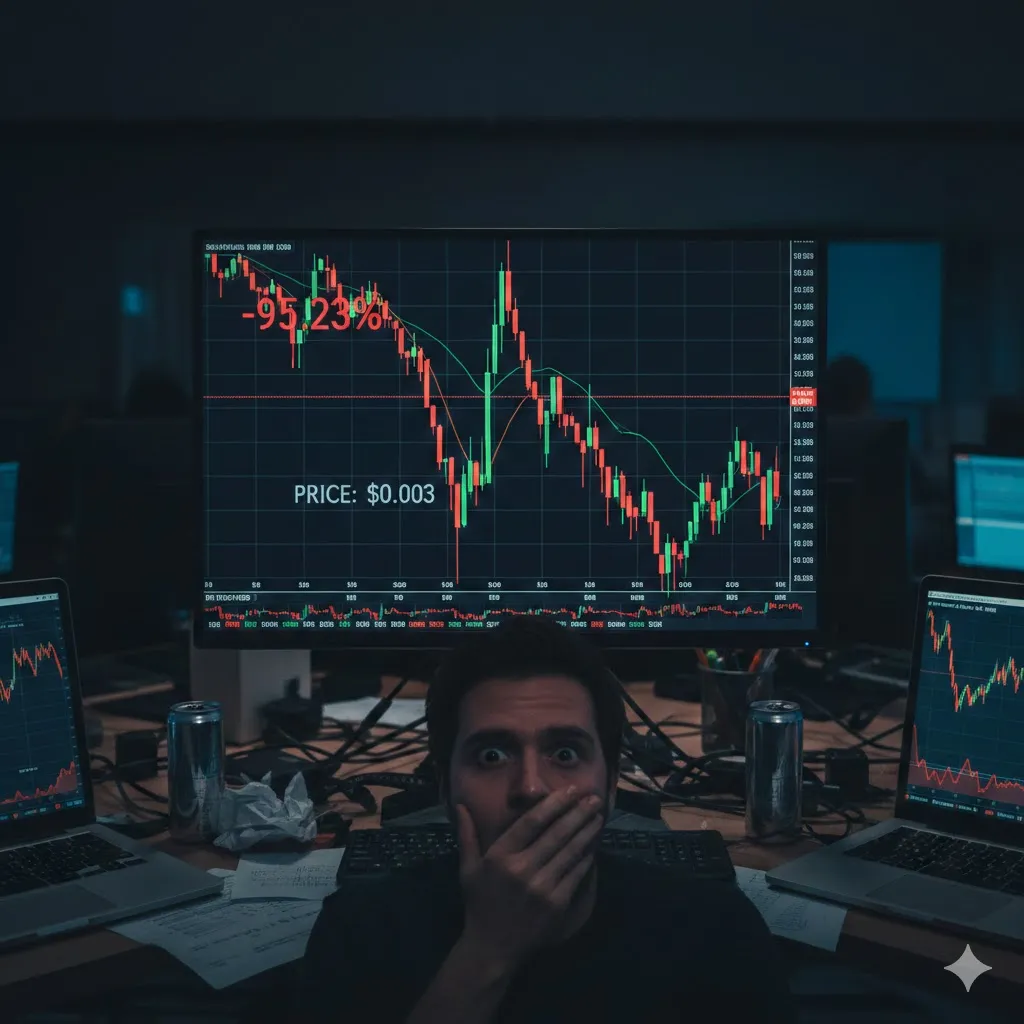
A rug pull warning should never be ignored. In 2026, cryptocurrency markets remain innovative — but also vulnerable to manipulation. Rug pulls continue to cost investors millions each year, especially in newly launched tokens and decentralized finance (DeFi) projects.
The pattern is often the same: hype builds quickly, prices skyrocket, and then liquidity vanishes overnight. By the time investors realize what happened, it’s too late.
Understanding the early red flags can protect your capital and your confidence.
What Is a Rug Pull?
A rug pull occurs when crypto developers or project founders suddenly withdraw liquidity or abandon a project after attracting investor funds.
It commonly happens with:
- Newly launched tokens
- Meme coins
- DeFi liquidity pools
- NFT projects
- Unverified presales
For example, a group of retail investors in California invested in a trending token promoted heavily on social media. Within days of launch, the development team removed liquidity from the exchange pool. The token’s value collapsed to nearly zero.
The Most Common Rug Pull Warning Signs
Recognizing patterns early is your best defense.
Anonymous or Unverified Developers
If the team behind a project has no verified history, no LinkedIn presence, and no transparency, proceed carefully.
Locked Liquidity Not Verified
Legitimate projects often lock liquidity for a defined period. If liquidity is unlocked — or claims are unverifiable — risk increases significantly.
Unrealistic Promises
Guaranteed returns, “risk-free” staking rewards, or explosive growth forecasts are red flags.
Aggressive Marketing With No Substance
Heavy influencer promotion combined with vague whitepapers often signals hype over substance.
Sudden Price Spikes Without News
If a token jumps rapidly with no technical updates or ecosystem growth, it may be artificially pumped.
Technical Red Flags to Check
Before investing, analyze the fundamentals.
| Red Flag | Why It’s Dangerous | What To Do |
|---|---|---|
| High developer wallet ownership | Risk of mass sell-off | Review token distribution |
| No smart contract audit | Potential hidden vulnerabilities | Verify third-party audits |
| Trading restrictions | Unable to sell tokens | Test small transaction first |
| Liquidity unlock date unclear | Easy exit for creators | Confirm lock details |
| Unclear token utility | Pure speculation | Demand real use case |
Tools like blockchain explorers and token analytics platforms allow public review of wallet distributions and liquidity status.
How Scammers Create False Confidence
Rug pull creators often build trust gradually.
They may:
- Release professional-looking websites
- Publish whitepapers filled with technical jargon
- Pay influencers for endorsements
- Stage fake community engagement
- Use AI-generated testimonials
Meanwhile, they quietly maintain majority token control.
How to Protect Yourself
Research Beyond Social Media
Don’t rely solely on Twitter, Telegram, or influencer videos. Cross-check information through multiple independent sources.
Verify Smart Contract Audits
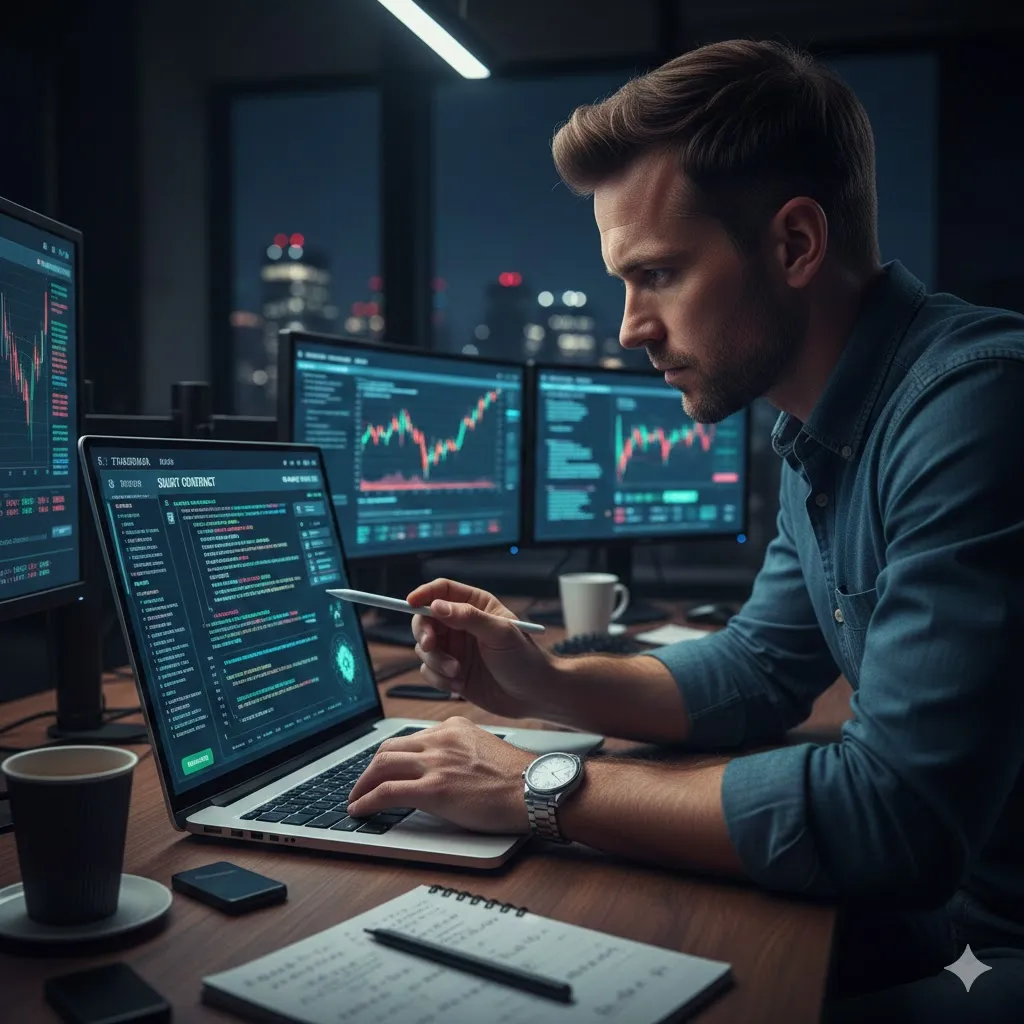
Look for audits conducted by reputable blockchain security firms. Even then, understand that audits reduce risk but do not eliminate it.
Avoid Emotional Trading
Rug pulls often depend on FOMO — fear of missing out. Slow decisions reduce exposure.
Diversify Investments
Never allocate funds you cannot afford to lose into a single speculative token.
Pro Insight
If token creators control a large percentage of supply and liquidity is not permanently locked, assume exit risk is high. Concentrated ownership dramatically increases rug pull probability.
What to Do If You Suspect a Rug Pull
If liquidity suddenly disappears or you cannot sell your tokens:
- Document transaction history
- Contact your exchange (if centralized)
- Report to federal authorities
- Avoid paying “recovery services” that request upfront crypto payments
Unfortunately, blockchain transactions are typically irreversible.
Quick Tip
Before investing, search the project name along with “scam,” “rug pull,” or “complaint.” Early community warnings often surface quickly in crypto forums.
Frequently Asked Questions
Can rug pulls happen on major exchanges?
They are more common on decentralized platforms, but smaller centralized exchanges may list risky tokens.
Are audited tokens safe from rug pulls?
Audits reduce risk but do not guarantee legitimacy. Ownership concentration still matters.
How can I check liquidity lock status?
Use blockchain explorers or trusted token analysis platforms to verify liquidity lock contracts.
Are meme coins always scams?
Not necessarily. However, they often carry higher volatility and risk.
Can lost funds be recovered after a rug pull?
Recovery is rare. Reporting to authorities helps track patterns but does not guarantee reimbursement.
Conclusion
A rug pull warning should never be dismissed as paranoia. In fast-moving crypto markets, hype can overshadow risk. The difference between speculation and informed investing lies in due diligence.
Verify teams. Examine liquidity. Review audits. Question guarantees. When you slow down and analyze fundamentals, you dramatically reduce exposure to manipulative schemes.
Protect your assets with skepticism — not fear, but discipline.
Trusted U.S. Resources
Federal Trade Commission – Cryptocurrency Scams
https://www.ftc.gov
FBI Internet Crime Complaint Center (IC3)
https://www.ic3.gov
U.S. Securities and Exchange Commission – Investor Alerts
https://www.investor.gov
Commodity Futures Trading Commission – Digital Asset Advisory
https://www.cftc.gov
This article is for general informational purposes only and does not provide legal, financial, medical, or professional advice. Policies, rates, and regulations may change over time.