
 wewe
wewe 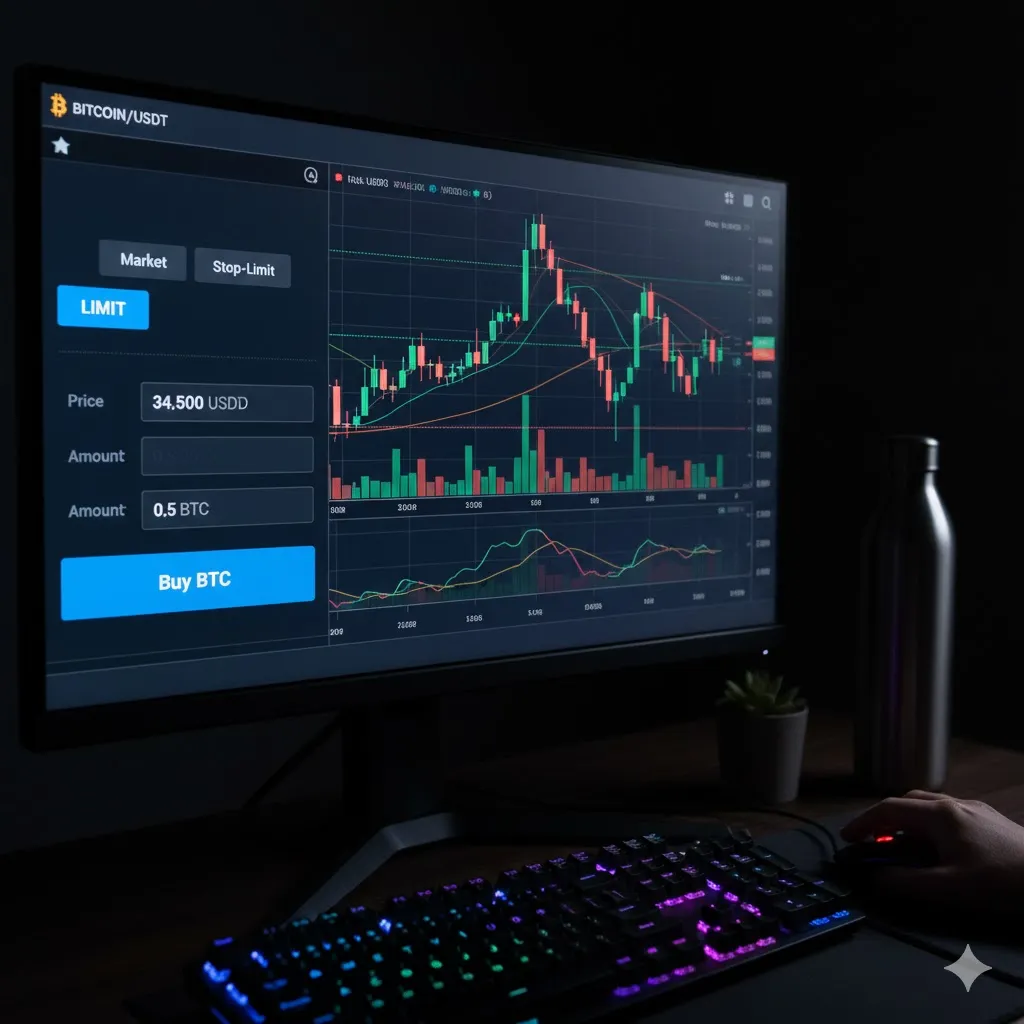
A limit order is one of the most commonly used tools in trading because it gives you control over price, not speed. Instead of buying or selling immediately at the current market price, a limit order lets you set the exact price you’re willing to accept—and wait for the market to meet it.
In 2025, limit orders remain essential across stock and crypto markets, especially for traders who want precision and discipline rather than emotional, rushed decisions.
Disclaimer: This article is for educational purposes only and does not provide financial, legal, or investment advice. Trading involves risk, and execution is not guaranteed.
What a limit order really means
A limit order is an instruction to buy or sell an asset only at a specific price or better. Unlike market orders, which prioritize speed, limit orders prioritize price control.
There are two basic forms:
- Buy limit order: Executes at your set price or lower
- Sell limit order: Executes at your set price or higher
For example, if a stock is trading at $100, a trader may place a buy limit order at $95 and wait patiently for a pullback instead of buying immediately.
How limit orders work step by step
When you place a limit order, it sits in the order book until one of three things happens:
- The market reaches your specified price
- You cancel the order
- The order expires (if a time limit is set)
A realistic scenario: a crypto trader places a sell limit order above the current price before going to sleep, allowing the trade to execute automatically if the price spikes overnight.
Limit orders offer flexibility without constant monitoring.
Limit order vs market order
Understanding the difference helps traders choose the right tool.
| Order Type | Price Control | Execution Speed | Typical Use |
|---|---|---|---|
| Limit order | High | Not guaranteed | Strategic entries and exits |
| Market order | None | Immediate | Urgent execution |
Limit orders reduce slippage but may never execute if the price doesn’t reach your level.
Pro Insight: Many experienced traders prefer limit orders because they enforce discipline and remove emotion from execution.
When using a limit order makes sense
Limit orders are commonly used when:
- Markets are volatile
- You want a specific entry or exit price
- You’re trading outside active hours
- You want to avoid sudden price spikes
For example, long-term investors often use limit orders to accumulate assets gradually during market dips.
Quick Tip: Placing limit orders slightly inside major support or resistance levels can improve execution chances.
Risks and limitations to consider
While limit orders offer control, they’re not perfect. The biggest risk is non-execution—the market may never reach your price.
In fast-moving markets, prices can skip over your limit entirely, leaving the order unfilled.
Understanding market liquidity and volatility helps set realistic price levels.
Limit orders in crypto vs stock markets
Limit orders function similarly across markets, but behavior differs:
- Stocks: Limited to trading hours, regulated order books
- Crypto: 24/7 markets, higher volatility, faster price swings
Because crypto trades continuously, limit orders are especially useful for automated entries and exits.
Frequently asked questions about limit orders
Does a limit order guarantee execution?
No. It only executes if the market reaches your specified price.
Can I cancel a limit order?
Yes. Unfilled limit orders can usually be canceled at any time.
Are limit orders better than market orders?
They’re better for price control but not for guaranteed execution.
Do limit orders cost more in fees?
Fees depend on the exchange; some platforms offer lower maker fees.
Can beginners use limit orders?
Yes. They’re often recommended to avoid impulsive trades.
Trusted U.S. sources for further reading
- U.S. Securities and Exchange Commission (SEC) – https://www.sec.gov
- FINRA Investor Education Foundation – https://www.finra.org
- Commodity Futures Trading Commission (CFTC) – https://www.cftc.gov
- Consumer Financial Protection Bureau (CFPB) – https://www.consumerfinance.gov