

How to Start Crypto Investing 2025 Guide: Safe Steps, Smart Strategies & Beginner Tips for U.S. Investors
 wewe
wewe 
Cryptocurrency investing can feel overwhelming at first—especially in 2025, when new tokens, platforms, and technologies appear every month. But starting the right way doesn’t require complicated strategies or insider knowledge. With a few foundational steps, any U.S. beginner can build a safe, confident path into crypto investing.
For informational purposes only — not financial or legal advice.
Think of this guide as your “first map” into the digital asset world: clear, practical, and focused on long-term safety rather than hype. Whether your goal is to buy Bitcoin for the first time or build a diversified crypto portfolio, this walkthrough covers everything you need.
What You Need Before You Start
Before buying your first crypto, make sure you have:
- A U.S.-regulated exchange account
- A secure email and strong passwords
- A basic understanding of wallets
- A realistic investment budget
- Clear goals (long-term holding vs. short-term trading)
Crypto investing is simple—but smart crypto investing starts with preparation.
Step 1: Choose a U.S.-Regulated Crypto Exchange
The safest way for beginners to buy crypto is through a compliant, reputable U.S. platform.
Top beginner-friendly choices:
- Coinbase – easiest interface
- Kraken – strong security reputation
- Gemini – regulated and simple
- Fidelity Crypto – for traditional investors entering digital assets
Avoid unregulated offshore exchanges, especially if you’re new.
What to look for:
- FDIC-insured USD balances
- Clear fee structure
- 2FA security
- Easy withdrawals
- Educational tools
Step 2: Verify Your Identity (KYC)
U.S. regulations require identity verification to prevent fraud. You’ll typically submit:
- Driver’s license or passport
- SSN (for tax reporting)
- Address verification
It only takes a few minutes.
Step 3: Fund Your Account
You can deposit money via:
- Bank transfer (ACH)
- Debit card
- Wire transfer
ACH is usually the cheapest and most common method.

Step 4: Start with Core Cryptocurrencies
Before exploring altcoins, most U.S. beginners start with:
Bitcoin (BTC)
- Digital store of value
- Strong long-term fundamentals
Ethereum (ETH)
- Powers decentralized apps
- Massive real-world use
With these two assets, you’re investing in the foundation of the crypto economy.
Quick Tip:
Most experts recommend 70–90% of a beginner portfolio be BTC + ETH.
Step 5: Learn About Wallets
A crypto wallet stores your digital assets.
Two main types:
1. Hot Wallet (Mobile or App-Based)
- Easy to use
- Good for beginners
- Connected to the internet
2. Cold Wallet (Hardware)
- Best for long-term security
- Offline, hack-resistant
- Ideal once holdings grow
Examples: Ledger, Trezor
Rule:
If you’re holding for months or years → use a hardware wallet.
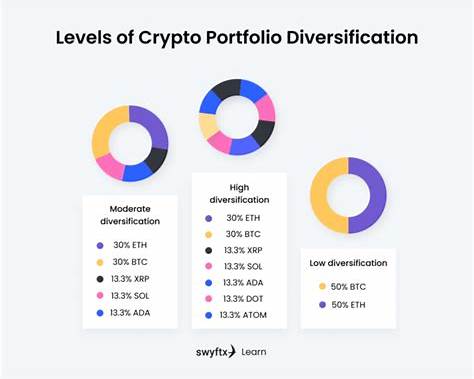
Step 6: Build a Beginner-Friendly Portfolio
Start simple with a structure like:
Example Portfolio
- 60% Bitcoin
- 30% Ethereum
- 10% Stablecoins (USDC)
As you learn more, you can add Layer-1s, staking assets, or select altcoins.
Avoid:
- Meme coins
- Unknown projects
- Hype-based tokens
Most beginners lose money chasing trends.
Step 7: Understand Risks Before You Invest
Crypto Risks
- Volatility: prices swing fast
- Cybersecurity threats
- Exchange failures
- Smart contract vulnerabilities
- Regulatory changes
Risk Management Tips
- Never invest money you can’t afford to lose
- Avoid leverage
- Enable 2FA
- Store long-term holdings in cold wallets
- Don’t FOMO into pumps
Step 8: Dollar-Cost Average (DCA)
Instead of trying to “time the market,” invest small amounts regularly—weekly or monthly.
Benefits:
- Reduces emotional decisions
- Smooths out volatility
- Proven long-term performance strategy
DCA is the most beginner-friendly investment method in crypto.
Step 9: Track Your Portfolio & Taxes
In the U.S., crypto is taxable.
Use tracking tools:
- CoinTracker
- Koinly
- TokenTax
Most exchanges provide basic tax documents, but annual tracking saves headaches.
Pro Insight: Slow and Steady Beats Fast and Flashy
Experienced investors don’t treat crypto like a casino.
They treat it like a long-term technology investment.
Winning strategies:
- Patience
- Consistency
- Proper security
- Learning over guessing
- Portfolio discipline
Fast money mindset?
That’s how most beginners lose their accounts.
Comparison Table: Crypto Investment Methods
| Method | Benefit | Risk | Notes |
|---|---|---|---|
| Long-Term Holding | Low effort | Market swings | Best for beginners |
| DCA | Stable growth | None | Smooths volatility |
| Staking | Passive income | Smart contract risk | Research platforms |
| Trading | Potential gains | High risk | Not for beginners |
| Yield Platforms | Higher returns | Platform risk | Use reputable protocols |
Frequently Asked Questions
How much money do I need to start investing in crypto?
Many U.S. platforms allow investing with as little as $10, making crypto extremely accessible for beginners.
Is crypto safe for new investors?
It can be safe if you use regulated exchanges, enable strong security, and avoid risky coins or leverage.
What crypto should beginners start with?
Bitcoin and Ethereum are widely considered the safest starting points due to their stability and adoption.
Do I need a hardware wallet?
Not immediately, but you should get one once your portfolio grows or if you plan long-term holding.
How do I avoid scams?
Never share your private keys, double-check URLs, avoid “guaranteed return” promises, and stick to reputable platforms.
External Authority Sources
https://www.consumerfinance.gov
https://www.usa.gov
https://www.census.gov