

 wewe
wewe 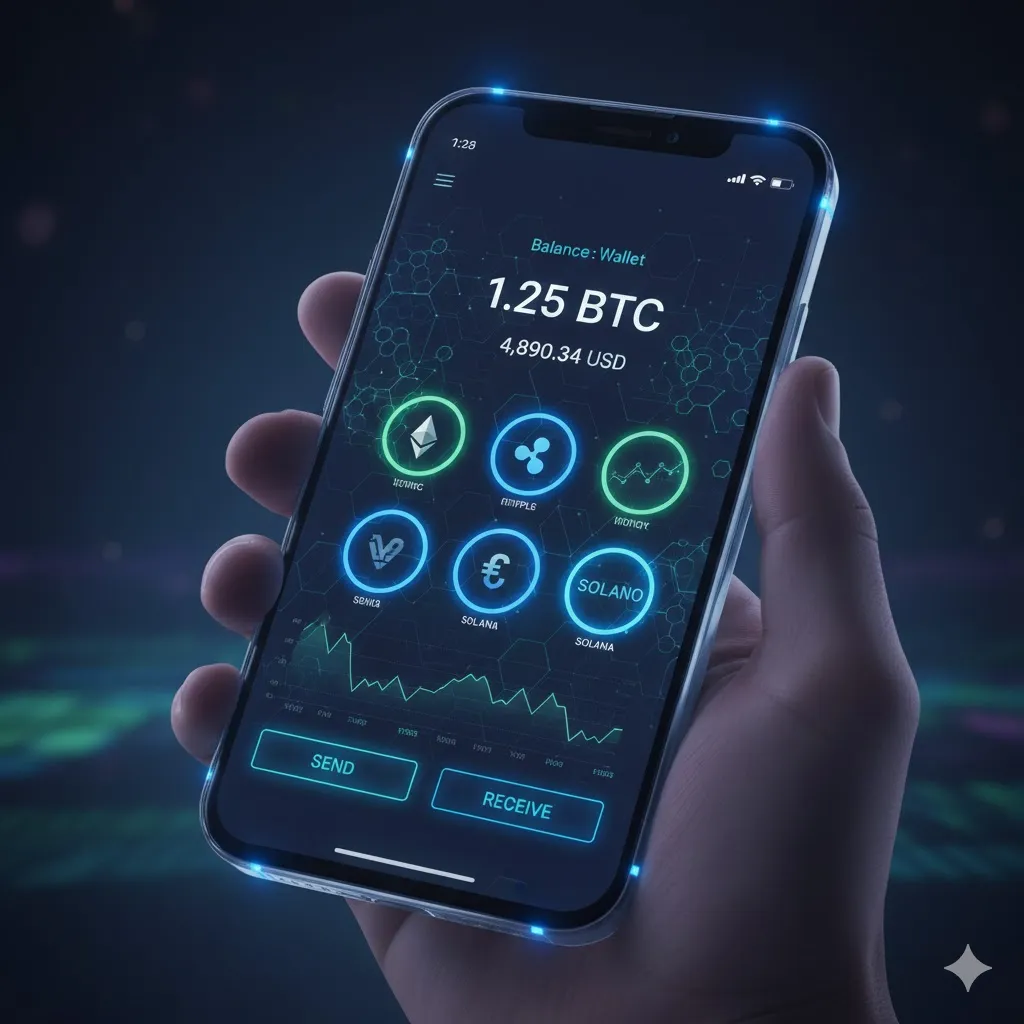
A hot wallet is often the first type of crypto wallet people use. It’s convenient, fast, and designed for everyday transactions—but it comes with trade-offs that matter more as your crypto usage grows.
In 2025, hot wallets remain central to the crypto ecosystem, powering everything from token swaps to NFT purchases. Understanding how they work—and when they make sense—helps you use them safely and effectively.
Disclaimer: This article is for educational purposes only and does not provide financial, legal, or investment advice. Cryptocurrency use involves risk, and individual security needs may vary.
What a hot wallet really is
A hot wallet is a crypto wallet that stays connected to the internet. This connection allows users to send, receive, and interact with digital assets quickly, often through mobile apps, browser extensions, or desktop software.
Because hot wallets are always online, they’re ideal for frequent transactions. They’re commonly used for trading, accessing decentralized applications (dApps), and making crypto payments.
For example, someone actively swapping tokens on a decentralized exchange typically uses a hot wallet connected directly to the platform.
Common types of hot wallets
Hot wallets come in several forms, each built for convenience.
Mobile wallets are apps installed on smartphones and are popular for everyday use.
Browser wallets function as extensions and are widely used for dApps and Web3 platforms.
Desktop wallets run on personal computers and offer a balance between usability and control.
A real-life scenario: a user checks token prices, signs a transaction, and completes a swap—all within seconds using a browser-based hot wallet.
Hot wallet vs cold wallet
Understanding how hot wallets compare to cold wallets clarifies their role.
| Feature | Hot Wallet | Cold Wallet |
|---|---|---|
| Internet connection | Always online | Offline |
| Ease of use | Very high | Moderate |
| Transaction speed | Fast | Slower |
| Security level | Lower | Higher |
| Best use | Daily activity | Long-term storage |
Hot wallets prioritize access and speed, while cold wallets prioritize security.
Pro Insight: Many experienced users keep a small working balance in a hot wallet and store the majority of funds in cold storage.
Security risks and how to manage them
Because hot wallets are internet-connected, they face higher exposure to phishing, malware, and malicious smart contracts. Most losses occur not from wallet failures, but from user mistakes.
Common risk points include:
- Clicking fake links
- Approving unknown smart contracts
- Storing recovery phrases digitally
Quick Tip: Treat your hot wallet like a physical wallet—only keep what you’re willing to carry daily.
How hot wallets are used in 2025
Hot wallets now do much more than store coins. They’re used to:
- Access DeFi platforms
- Mint and trade NFTs
- Sign blockchain transactions
- Interact with Web3 applications
As blockchain ecosystems expand, hot wallets act as the gateway between users and on-chain services.
Is a hot wallet right for you?
Hot wallets are ideal for active users who value speed and convenience. They may be less suitable for long-term holders with large balances who prioritize maximum security.
Many users don’t choose one or the other—they use both, assigning each wallet a specific role.
Frequently asked questions about hot wallets
Are hot wallets safe to use?
They can be safe when used carefully, but they carry more risk than offline wallets.
Do hot wallets control my private keys?
Non-custodial hot wallets allow users to control their own keys.
Can hot wallets be hacked?
The wallet software itself is rarely hacked; most losses come from phishing or user error.
Should beginners use hot wallets?
Yes, but beginners should start with small amounts and learn security basics first.
Can a hot wallet hold multiple cryptocurrencies?
Most modern hot wallets support multiple assets and blockchains.
Trusted U.S. sources for further reading
- U.S. Securities and Exchange Commission (SEC) – https://www.sec.gov
- Commodity Futures Trading Commission (CFTC) – https://www.cftc.gov
- Consumer Financial Protection Bureau (CFPB) – https://www.consumerfinance.gov
- National Institute of Standards and Technology (NIST) – https://www.nist.gov