

 wewe
wewe 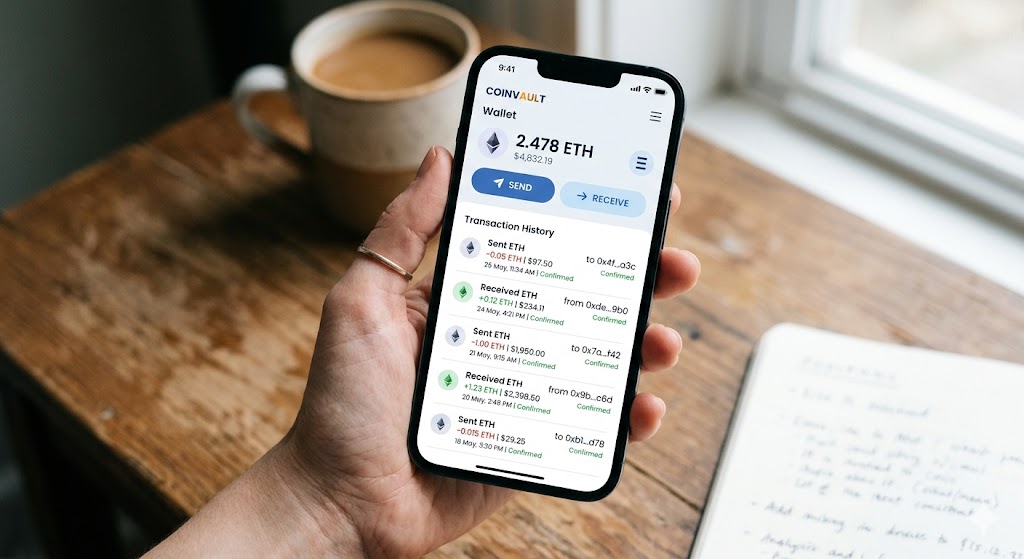
A hot wallet is one of the most common ways to store and use cryptocurrency. Designed for convenience, it allows quick access to your funds for trading, transfers, or interacting with decentralized applications.
For many users, a hot wallet is the starting point in crypto. But understanding how it works—and where it fits—can make a meaningful difference in both usability and security.
What Is a Hot Wallet in Crypto
A hot wallet is a cryptocurrency wallet connected to the internet. It stores your private keys digitally, allowing you to access your funds anytime.
Because it’s always online, a hot wallet is built for speed and accessibility rather than long-term storage.
Common forms of hot wallets
- Mobile apps
- Desktop software
- Browser extensions
These wallets are widely used for daily crypto activity.
How Hot Wallets Work
Hot wallets interact directly with blockchain networks. When you send or receive crypto, the wallet uses your private key to sign transactions securely.
Unlike traditional banking apps, you’re not just viewing a balance—you’re controlling access to your assets.
Key components include:
- Private keys for ownership
- Public addresses for receiving funds
- User interface for managing transactions
The wallet acts as a bridge between you and the blockchain.
Popular Hot Wallets Compared
| Wallet | Platform | Best For |
|---|---|---|
| MetaMask | Browser/Mobile | DeFi and Ethereum users |
| Trust Wallet | Mobile | Beginners and multi-chain use |
| Coinbase Wallet | Mobile | Easy onboarding |
| Phantom | Web/Mobile | Solana ecosystem |
| Exodus | Desktop/Mobile | Simple interface |
Each wallet offers slightly different features, especially in terms of supported assets and integrations.
Pro Insight
Hot wallets are best used for active funds—not long-term storage. Many experienced users keep only what they need for transactions in a hot wallet, while storing the rest in more secure offline solutions.
Advantages of Using a Hot Wallet

Fast access
You can send or receive crypto instantly.
Ease of use
Most hot wallets are designed with simple interfaces.
Integration with apps
They connect easily to decentralized finance (DeFi) platforms and NFT marketplaces.
Free or low cost
Most hot wallets are available at no cost.
These benefits make them ideal for everyday crypto activity.
Risks and Limitations
While convenient, hot wallets come with trade-offs.
Online exposure
Being connected to the internet increases vulnerability to attacks.
Phishing risks
Fake apps or websites can trick users into revealing private keys.
Device security dependence
If your phone or computer is compromised, your wallet could be at risk.
User responsibility
There’s no central authority to recover lost keys or funds.
Understanding these risks helps you use hot wallets more safely.
Quick Tip
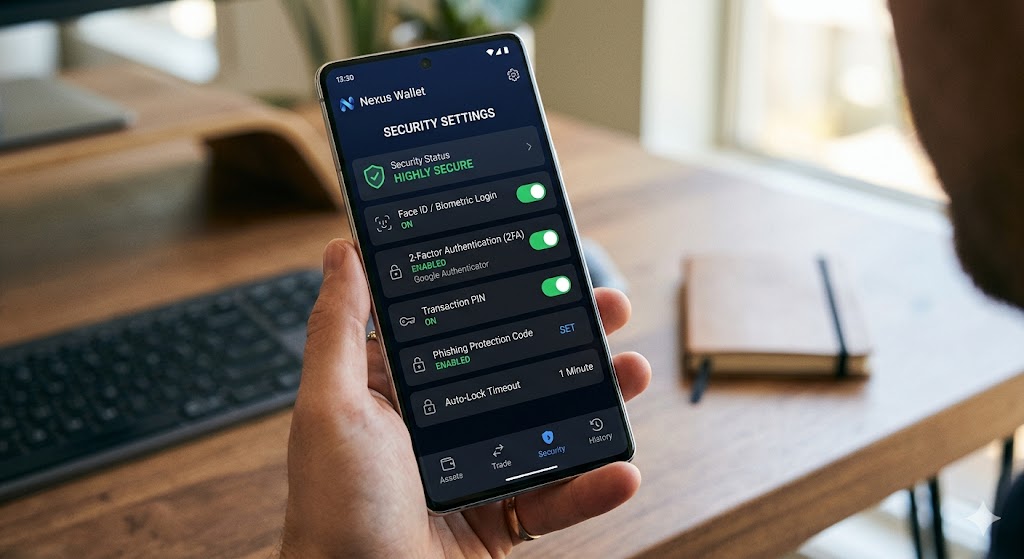
Enable two-factor authentication where available and avoid connecting your wallet to unfamiliar websites. Small precautions can significantly reduce risk.
When to Use a Hot Wallet
Hot wallets are most useful in specific situations.
Daily transactions
Sending or receiving crypto regularly.
Trading activity
Quick access for buying and selling assets.
DeFi participation
Connecting to decentralized apps and services.
NFT interactions
Buying, selling, or storing digital collectibles.
They’re built for activity, not long-term storage.
Real-World Micro Scenario
A user keeps a portion of their crypto in a mobile hot wallet for trading and online purchases. The majority of their holdings are stored separately in a more secure environment.
This setup allows flexibility without exposing all assets to online risks.
Common Mistakes to Avoid
Many issues arise from simple oversights.
Storing large amounts in hot wallets
Increases risk unnecessarily.
Ignoring updates
Outdated apps may have security vulnerabilities.
Clicking unknown links
Phishing attempts often target wallet users.
Not backing up recovery phrases
Losing access can be permanent.
Avoiding these mistakes can greatly improve safety.
Frequently Asked Questions
What is a hot wallet in simple terms?
It’s a crypto wallet connected to the internet, allowing quick access to your funds.
Is a hot wallet safe?
It can be safe for small amounts and daily use, but it’s more exposed than offline storage options.
What is the difference between hot and cold wallets?
Hot wallets are online and convenient, while cold wallets are offline and more secure.
Are hot wallets free to use?
Most hot wallets are free, though network transaction fees still apply.
Can I have multiple hot wallets?
Yes, many users use different wallets for different purposes.
Conclusion
Hot wallets play a central role in everyday crypto use. They offer speed, convenience, and easy access—but require careful handling to stay secure.
By understanding their strengths and limitations, you can use hot wallets effectively while minimizing unnecessary risk.
Trusted U.S. Resources
https://www.sec.gov
https://www.investor.gov
https://www.cftc.gov
https://www.usa.gov
This article is for general informational purposes only and does not provide legal, financial, medical, or professional advice. Policies, rates, and regulations may change over time.