
 wewe
wewe 
Learn what high risk trading really means in 2026, common traps, safer tactics, and how to manage risk without blowing up your account.
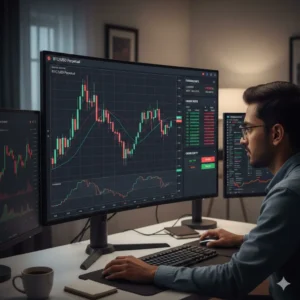
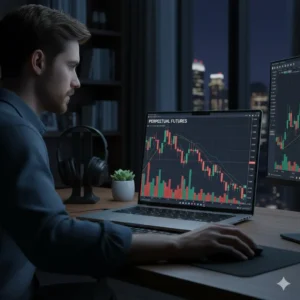
High risk trading looks exciting from the outside. Fast moves. Big wins. Screens full of green candles. However, the part people don’t show is what happens after a few bad trades in a row. One moment you feel confident, and the next moment your account is suddenly smaller than you expected.
In simple terms, high risk trading is any trading style where a single mistake can cause a large loss. It usually involves leverage, volatile assets, or oversized positions. Still, it can also happen in “normal” markets when someone trades emotionally.
For example, a trader might feel unstoppable after two wins. Then they double their position size on the third trade. The market flips, and the loss wipes out the week’s progress in minutes.
This article breaks down how high risk trading works, why it feels addictive, and how to stay in control without losing your edge.
What High Risk Trading Really Means
High risk trading is not just about trading crypto or meme stocks. It’s about how much of your account you put at risk per trade.
It often includes:
- Using high leverage (10x, 25x, 50x)
- Trading extremely volatile assets
- Holding positions without stop-losses
- “All-in” entries based on emotion
- Revenge trading after a loss
However, the biggest risk is not the market. It’s the lack of a plan.
If you’re still learning margin mechanics, you may want to read a cross vs isolated margin guide and a position sizing guide to reduce damage from sudden swings.
Why High Risk Trading Feels So Tempting
High risk trading gives quick feedback. That’s the hook.
When you win fast, your brain starts chasing the feeling again. Still, markets don’t reward excitement. They reward discipline.
Real-life micro-scenario:
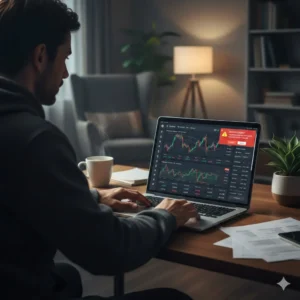
A trader on their lunch break opens a 20x trade “just for fun.” It goes up quickly, and they feel smart. Later that night, they try again with a bigger size. This time the market moves the other way, and the loss hits harder than expected.
That cycle is how accounts get drained—slowly at first, then suddenly.
The Hidden Dangers That Destroy Accounts
High risk trading can feel manageable until it isn’t. The danger is that losses can stack quickly.
Overleveraging
Leverage multiplies both gains and losses. Even a small price move can trigger liquidation.
Oversized positions
Many traders risk too much on one trade because they “feel sure.” However, confidence does not reduce risk.
No exit plan
If you enter without knowing where you’ll exit, the market becomes your decision-maker. That rarely ends well.
Emotional trading
Anger, greed, and fear can push you into trades you would never take on a calm day.
If this feels familiar, a trading psychology guide can help you spot patterns before they repeat.
High Risk Trading vs Controlled Risk Trading
| Feature | High Risk Trading | Controlled Risk Trading |
|---|---|---|
| Leverage use | Often high | Low or carefully managed |
| Risk per trade | Large | Small and planned |
| Decision style | Emotional or reactive | Rule-based |
| Survival rate | Low over time | Higher long-term |
| Main goal | Fast profit | Consistency and control |
This comparison shows the real difference: it’s not the market. It’s the approach.
When High Risk Trading Might Make Sense
High risk trading isn’t automatically “wrong.” Still, it should be a deliberate choice.
It may make sense when:
- You’re using a small “test” account you can afford to lose
- You have strict stop-loss rules
- You treat it as a short-term strategy, not a lifestyle
- You track results like a business
For example, some traders keep 90% of their funds safe and only use 10% for aggressive trades. That way, one bad streak doesn’t destroy everything.
Pro Insight
The best traders don’t avoid risk—they control it. High risk trading becomes less dangerous when your position size is small enough that you can survive repeated losses.
How to Reduce Risk Without Killing Your Potential
You don’t need to trade “boring” to trade smart. You just need structure.
Use smaller size than you want to use
This is the easiest way to stay alive. Many blow-ups happen because size is too big.
Set a clear stop-loss before you enter
Even if you don’t like stop-losses, a planned exit is better than panic.
Limit leverage
High leverage turns normal volatility into account-ending damage.
Avoid trading when emotional
If you feel angry, rushed, or desperate, it’s often the worst time to trade.
Track every trade
You learn faster when you review your mistakes honestly.
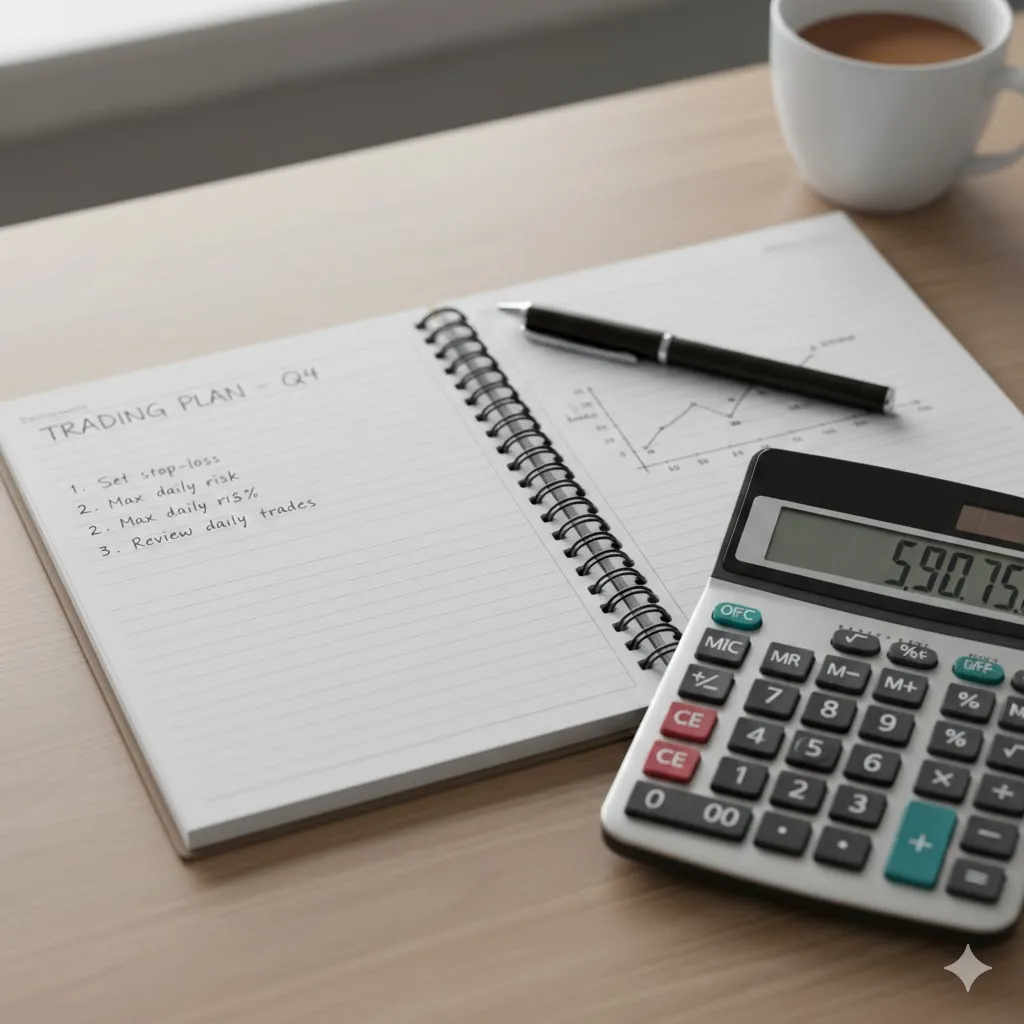
If you want a simple structure, a risk management checklist can help you stay consistent.
Quick Tip
If you lose two trades in a row, pause and stop trading for the day. This single rule prevents most revenge-trading disasters.
FAQs About High Risk Trading
Is high risk trading the same as gambling?
Not always. It becomes gambling when you trade without rules, sizing, or a clear plan.
Can beginners do high risk trading safely?
It’s difficult. Beginners usually learn faster with low risk and smaller size.
Why do people blow up accounts so fast?
Because leverage and oversized positions can turn small mistakes into huge losses.
What’s the safest way to try high risk trading?
Use a small amount you can afford to lose and set strict limits for each trade.
Does high risk trading work long-term?
Some traders succeed, but most fail without strong discipline and risk control.
Disclaimer
Trading involves risk and may result in losses. This article is for informational purposes only and does not provide financial or investment advice. Always trade based on your own risk tolerance.
Trusted U.S. Sources
- https://www.sec.gov/investor/alerts/ia_riskycryptotrading.pdf
- https://www.finra.org/investors/insights/cryptocurrency
- https://www.cftc.gov/LearnAndProtect/AdvisoriesAndArticles/customer_advisories.html
- https://www.investor.gov/introduction-investing/general-resources/news-alerts/alerts-bulletins/investor-bulletins