

 wewe
wewe 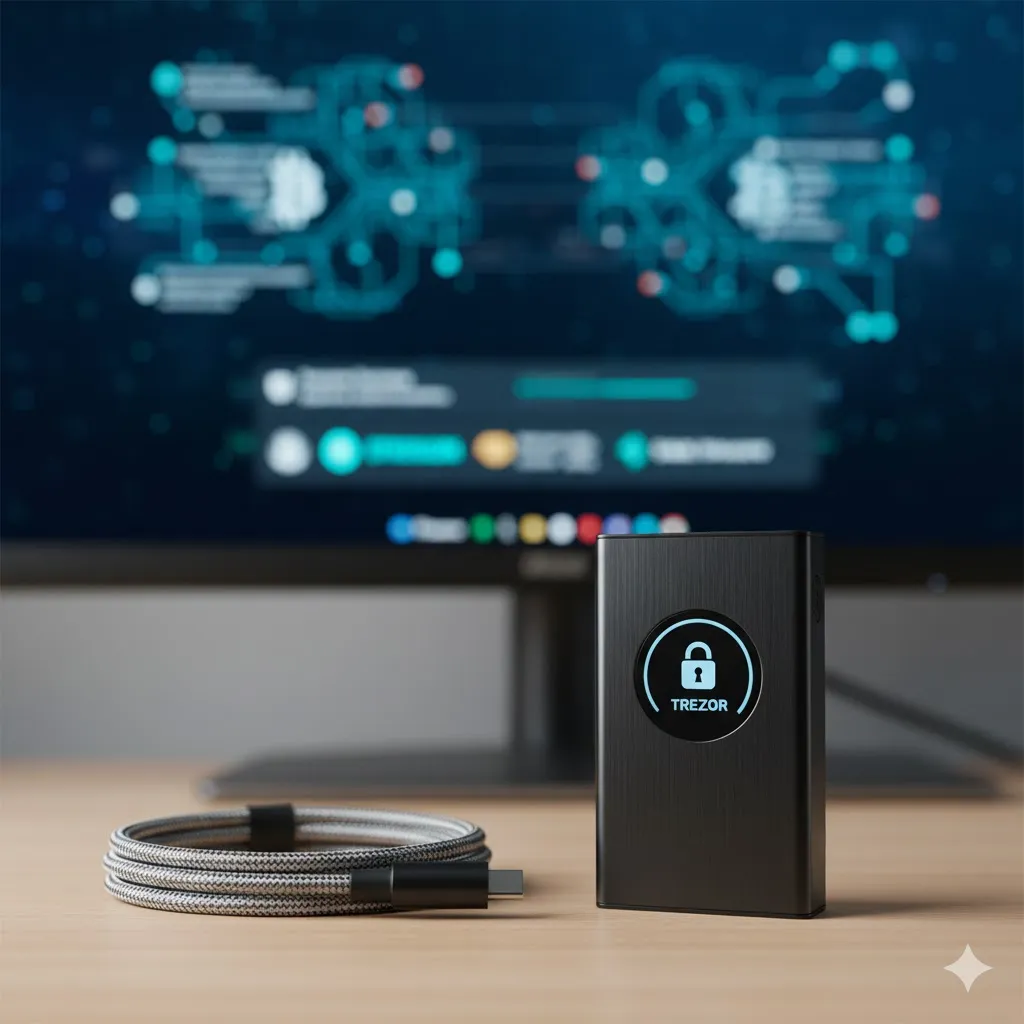
A hardware wallet is widely considered one of the safest ways to store cryptocurrency. As digital assets become more valuable and widely used, protecting private keys has become just as important as choosing what to invest in.
In 2025, hardware wallets are no longer just for tech-savvy users. They’re increasingly used by everyday investors who want stronger security without giving up control of their assets.
Disclaimer: This article is for educational purposes only and does not provide financial, legal, or investment advice. Cryptocurrency storage involves risk, and security needs vary by individual.
What a hardware wallet really is
A hardware wallet is a physical device designed to store cryptocurrency private keys offline. Unlike software wallets that stay connected to the internet, hardware wallets keep keys isolated from online threats.
When you want to send crypto, the transaction is created on your computer or phone but signed inside the hardware wallet itself. The private key never leaves the device.
For example, someone holding crypto long term may use a hardware wallet to store assets safely, only connecting it briefly when moving funds.
Why hardware wallets are considered more secure
The main advantage of a hardware wallet is isolation. Because private keys remain offline, they are protected from common online risks like malware, phishing attacks, and compromised websites.
Even if the computer you’re using is infected, the hardware wallet prevents unauthorized access because transactions must be physically approved on the device.
A realistic scenario: a user accidentally clicks a malicious link on their laptop. While a software wallet might be compromised, funds stored in a hardware wallet remain protected.
Hardware wallet vs software wallet
Understanding the difference helps clarify when each option makes sense.
| Feature | Hardware Wallet | Software Wallet |
|---|---|---|
| Private key storage | Offline | Online |
| Security level | Very high | Moderate |
| Convenience | Lower | High |
| Best use | Long-term storage | Daily transactions |
| Risk exposure | Minimal | Higher |
Many users combine both—hardware wallets for savings and software wallets for everyday use.
Pro Insight: Hardware wallets are most effective when paired with good habits, such as safely storing recovery phrases and avoiding rushed approvals.
Common risks and how to avoid them
While hardware wallets are secure, they’re not completely risk-free. Most issues come from human error rather than device failure.
Key risks include:
- Losing the recovery phrase
- Physical damage or loss of the device
- Falling for fake wallet software or firmware updates
Quick Tip: Write your recovery phrase on paper and store it offline in more than one secure location.
How hardware wallets are used in 2025
Modern hardware wallets support more than just holding coins. They’re used to:
- Secure long-term crypto holdings
- Sign transactions for DeFi platforms
- Store NFTs safely
- Manage multiple blockchains from one device
Improved interfaces and mobile compatibility have made hardware wallets easier to use than ever.
Is a hardware wallet right for you?
Hardware wallets are ideal for users holding significant crypto value or planning to store assets long term. They may be less convenient for frequent traders who need constant access.
Many crypto users adopt a layered approach, keeping small amounts in hot wallets while securing the majority in hardware wallets.
Frequently asked questions about hardware wallets
Are hardware wallets completely safe?
They offer strong protection against online threats, but users must protect recovery phrases and devices.
Do hardware wallets need internet access?
No. Private keys stay offline even when transactions are signed.
What happens if I lose my hardware wallet?
Funds can be recovered using the recovery phrase on a new device.
Can beginners use hardware wallets?
Yes. Most modern hardware wallets are designed to be user-friendly.
Can hardware wallets store multiple cryptocurrencies?
Most support many cryptocurrencies and multiple blockchains.
Trusted U.S. sources for further reading
- U.S. Securities and Exchange Commission (SEC) – https://www.sec.gov
- Commodity Futures Trading Commission (CFTC) – https://www.cftc.gov
- Consumer Financial Protection Bureau (CFPB) – https://www.consumerfinance.gov
- National Institute of Standards and Technology (NIST) – https://www.nist.gov