

 wewe
wewe 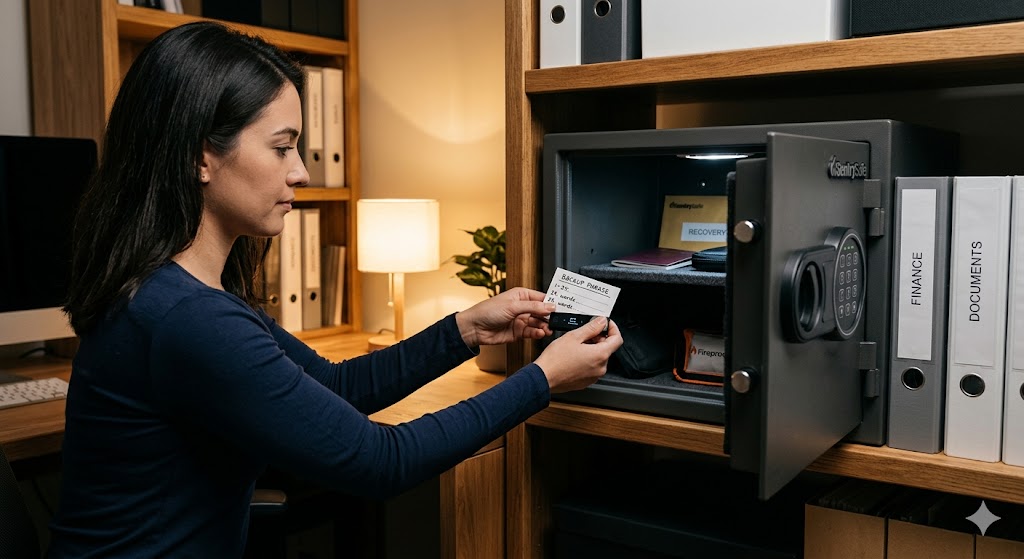
A hardware wallet is a specialized device designed to store cryptocurrency securely offline. For users focused on protecting their digital assets, it offers one of the most reliable forms of storage by keeping private keys away from internet-connected environments.
As crypto adoption grows, hardware wallets have become a standard choice for long-term holders and security-conscious investors.
What Is a Hardware Wallet
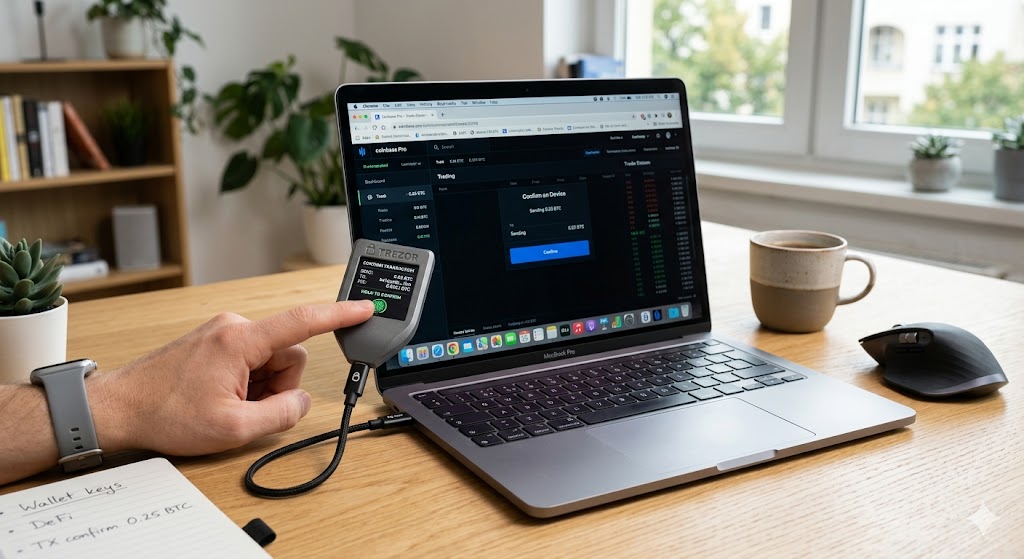
A hardware wallet is a physical device that stores your private keys offline. Unlike software wallets, it signs transactions securely within the device itself.
This means:
- Private keys never leave the device
- Transactions are verified before approval
- Exposure to online threats is minimized
Even when connected to a computer, the sensitive data remains isolated.
How Hardware Wallets Work
Hardware wallets follow a secure process when handling transactions.
- You initiate a transaction on your computer or phone
- The transaction is sent to the hardware wallet
- The device signs it internally using your private key
- The signed transaction is sent back and broadcast to the network
This separation ensures that your keys are never exposed online.
Popular Hardware Wallets Compared
| Wallet | Key Feature | Best For |
|---|---|---|
| Ledger Nano X | Bluetooth connectivity | Mobile users |
| Ledger Nano S Plus | Budget-friendly | Beginners |
| Trezor Model T | Touchscreen interface | Advanced users |
| Trezor One | Simplicity | Entry-level security |
| Keystone Wallet | Air-gapped design | Maximum isolation |
Each device offers different features, but all focus on secure offline storage.
Pro Insight
Security isn’t just about the device—it’s about how you use it. A hardware wallet is highly secure, but poor handling of recovery phrases or buying from unofficial sources can still create risks.
Advantages of Using a Hardware Wallet
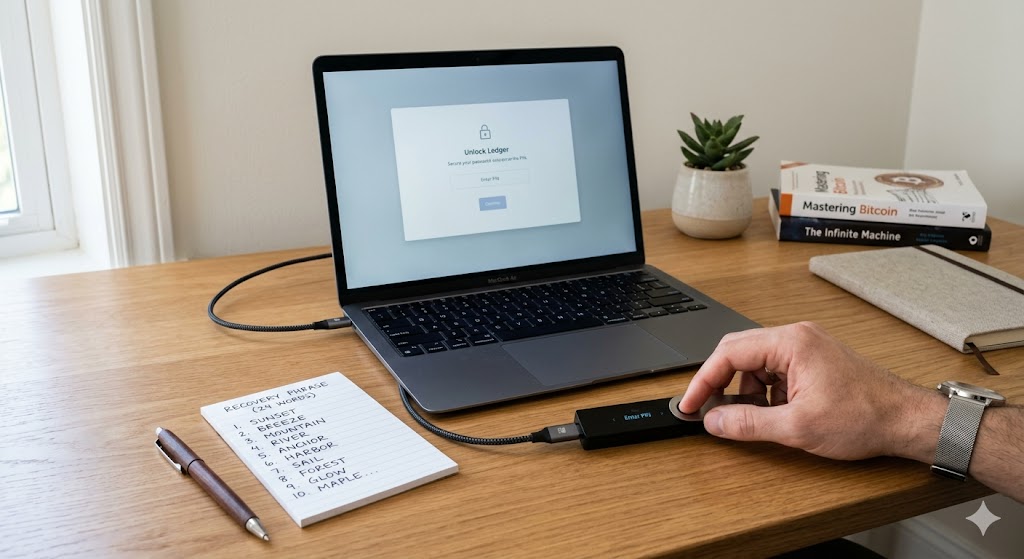
Strong security
Offline storage protects against most cyber threats.
Full control
You own your private keys without relying on third parties.
Long-term storage
Ideal for holding assets over extended periods.
Compatibility
Many wallets support multiple cryptocurrencies and networks.
These advantages make hardware wallets a preferred choice for serious users.
Quick Tip
Always purchase your hardware wallet directly from the official manufacturer. Avoid secondhand devices to reduce the risk of tampering.
When to Use a Hardware Wallet
Hardware wallets are best suited for specific situations.
Long-term investors
Holding crypto without frequent trading.
Large holdings
Protecting significant value.
Security-focused users
Reducing exposure to online threats.
Backup storage
Keeping a secure reserve separate from active funds.
They are less convenient for frequent transactions.
Real-World Micro Scenario
An investor buys cryptocurrency and initially stores it on an exchange. After accumulating a larger balance, they transfer most of it to a hardware wallet.
They keep a smaller amount in a mobile wallet for daily use, balancing accessibility with security.
Common Mistakes to Avoid
Even secure devices can be misused.
Losing recovery phrases
This can permanently lock you out of your funds.
Buying from unofficial sellers
Devices may be compromised.
Skipping backups
Always store recovery phrases safely.
Ignoring firmware updates
Updates often include security improvements.
Frequently Asked Questions
What is a hardware wallet in simple terms?
It’s a physical device that stores your crypto private keys offline for better security.
Are hardware wallets safe?
They are considered very secure when used properly and paired with good safety practices.
Do I need a hardware wallet for crypto?
It depends on your holdings—many long-term investors prefer them for added protection.
Can hardware wallets be hacked?
They are highly resistant to hacking, but risks can come from improper usage or compromised recovery phrases.
Can I use a hardware wallet with my phone?
Yes, many modern devices support mobile connections via apps or Bluetooth.
Conclusion
A hardware wallet offers one of the most secure ways to store cryptocurrency by keeping private keys offline and under your control. While it requires careful handling and responsibility, it provides strong protection for long-term holdings.
For users who prioritize security, a hardware wallet is often a valuable addition to their crypto setup.
Trusted U.S. Resources
https://www.sec.gov
https://www.investor.gov
https://www.cftc.gov
https://www.usa.gov
This article is for general informational purposes only and does not provide legal, financial, medical, or professional advice. Policies, rates, and regulations may change over time.