

 wewe
wewe 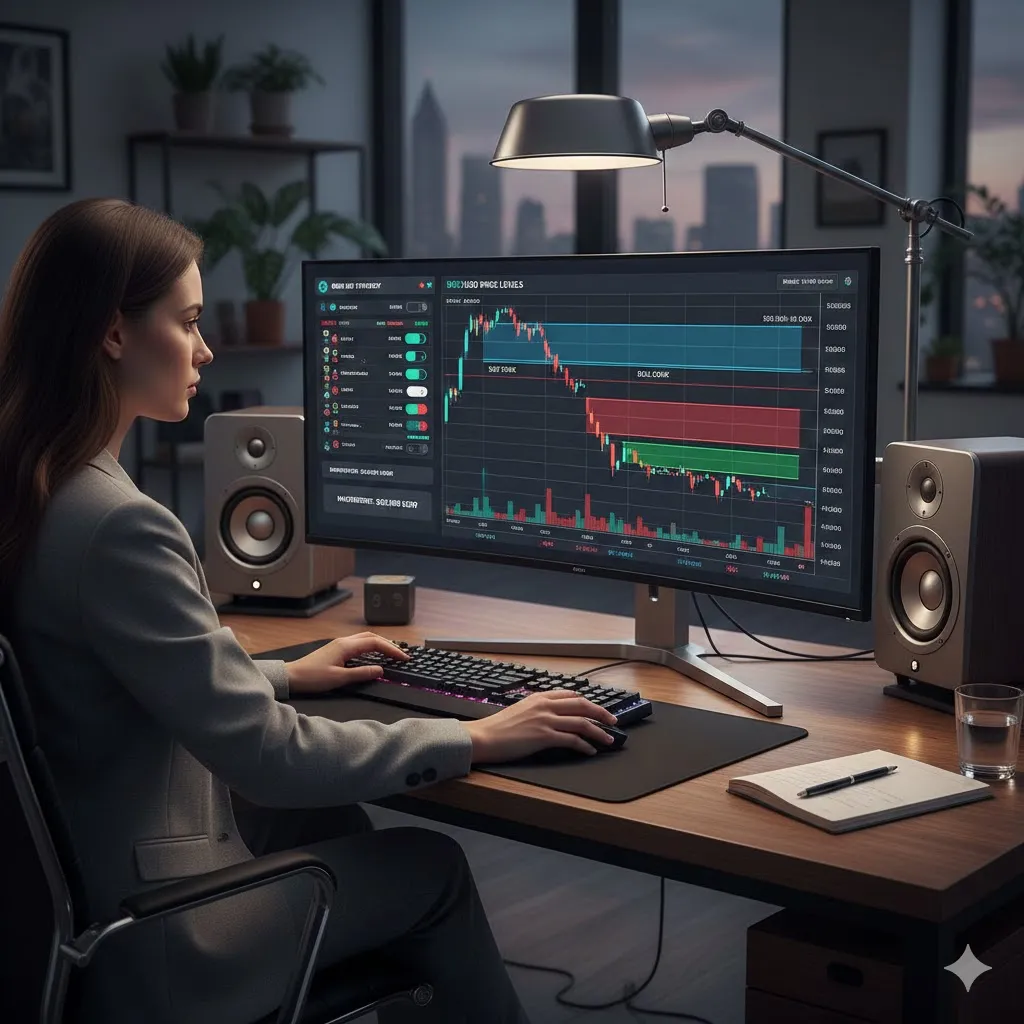
Learn how the grid bot strategy works, when it performs best, key risks, and how traders use it safely.
Markets don’t always trend up or down. Often, they move sideways—choppy, frustrating, and unpredictable. This is exactly where a grid bot strategy shines. Instead of predicting direction, it systematically profits from price fluctuations within a defined range.
Used correctly, grid bots turn volatility into structure. Used carelessly, they amplify risk. Understanding the mechanics is what makes the difference.
What a Grid Bot Strategy Really Is
A grid bot strategy places multiple buy and sell orders at preset price intervals above and below the current market price. As price moves up and down, the bot buys low and sells high—over and over—within the grid.
Imagine Bitcoin trading between $38,000 and $40,000 for days. A grid bot quietly executes dozens of small trades inside that range, capturing incremental gains without emotional decisions.
The strategy doesn’t rely on forecasts. It relies on range behavior.
When Grid Bots Work Best—and When They Don’t
Grid bots perform best in sideways or gently oscillating markets. Frequent price movement inside a range creates repeated opportunities.
However, strong trends are the danger zone. If price breaks out upward or downward and doesn’t return, the grid can become unbalanced—accumulating too much of one asset or missing exits.
A real-world example: during sudden news-driven rallies or crashes, grid bots without limits can continue buying or selling into unfavorable conditions.
Key Elements That Define a Grid Strategy
A grid bot isn’t just “on” or “off.” Its behavior depends on configuration.
Grid range defines the upper and lower price boundaries.
Number of grid levels controls how frequently trades occur.
Order size determines risk per level.
Capital allocation limits how much exposure the bot can take.
Tighter grids trade more often but face higher fees. Wider grids trade less but risk missing opportunities.
Grid Bot Strategy Compared to Other Bot Styles
| Strategy Type | Best Market | Core Strength | Main Risk |
|---|---|---|---|
| Grid bot | Sideways | Repeated small gains | Trend breakouts |
| DCA bot | Long-term | Smooth entry timing | Prolonged drawdowns |
| Trend-following bot | Trending | Captures big moves | Whipsaws |
| Arbitrage bot | Price gaps | Market inefficiencies | Execution risk |
| Signal-based bot | Mixed | Rule-driven entries | False signals |
This comparison shows why grid bots are specialists—not generalists.

Risk Management That Makes Grid Bots Survivable
Grid bots fail fast when risk is ignored.
Smart traders define hard stop boundaries, cap maximum capital per grid, and disable leverage unless they fully understand liquidation mechanics. Some also pause bots automatically if volatility exceeds predefined thresholds.
The goal isn’t to trade constantly—it’s to survive long enough for the range to play out.
Common Mistakes Traders Make With Grid Bots
One common mistake is deploying grids during strong trends because recent sideways action “felt safe.” Another is setting grids too tight, where fees silently erase profits.
Overconfidence is also a factor. Grid bots feel productive because they trade frequently—but frequency doesn’t equal profitability if risk controls are missing.

Disclaimer
This article is for general informational purposes only and does not constitute financial or investment advice. Trading involves risk and may result in losses.
Pro Insight
Grid bots perform best when paired with manual oversight—letting automation handle execution while humans manage market context.
Quick Tip
Start grids with small capital and expand only after observing behavior across different volatility conditions.
Frequently Asked Questions
What is a grid bot strategy?
It’s an automated trading strategy that profits from price movements within a defined range.
Are grid bots profitable?
They can be in sideways markets, but they struggle during strong trends.
Do grid bots need leverage?
No. Using leverage increases risk significantly and isn’t required.
Can grid bots run unattended?
They can, but periodic monitoring is strongly recommended.
What’s the biggest grid bot risk?
Sudden breakouts that don’t return to the grid range.
Conclusion
A grid bot strategy doesn’t chase the market—it organizes it. By turning randomness into structured trades, grid bots can extract value from markets that frustrate directional traders.
When used with clear boundaries, realistic expectations, and disciplined risk controls, grid bots become a powerful tool for range-bound conditions—not a set-and-forget shortcut.
Trusted U.S. Resources
Commodity Futures Trading Commission — Automated Trading Risks
https://www.cftc.gov
SEC Investor.gov — Understanding Automated Trading
https://www.investor.gov
FINRA — Algorithmic Trading Overview
https://www.finra.org