 wewe
wewe 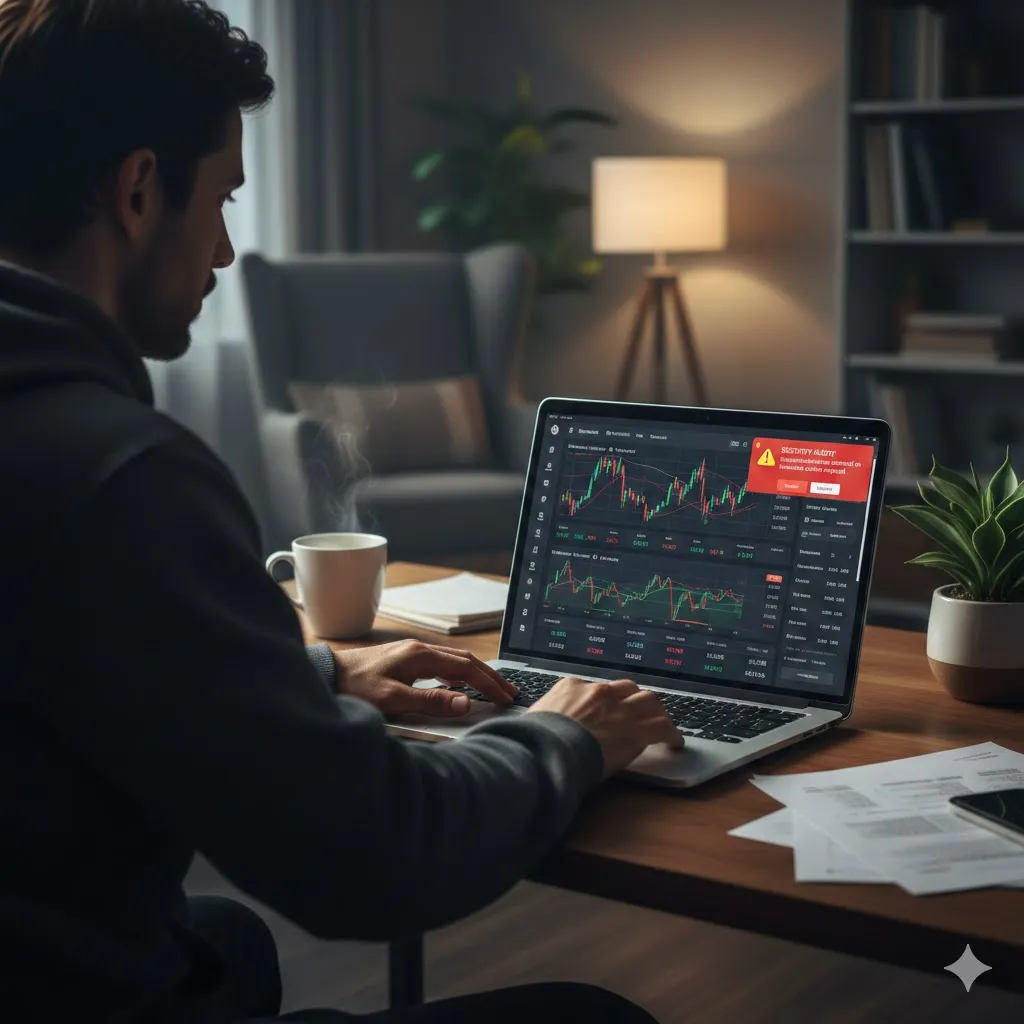
Exchange account security has become a top priority in 2026. Whether you trade stocks, crypto, or foreign currency, your exchange account holds financial assets that are attractive targets for cybercriminals.
Hackers no longer rely only on brute-force attacks. Today’s threats include phishing emails, SIM-swapping, malware, and social engineering schemes. The difference between a secure account and a drained one often comes down to habits.
Let’s walk through how to protect your exchange account properly.
Why Exchange Accounts Are Prime Targets
Financial exchange platforms store:
- Personal identification data
- Linked bank accounts
- Trading balances
- Withdrawal permissions
- API access keys
If attackers gain access, they can:
- Transfer funds
- Change withdrawal addresses
- Execute unauthorized trades
- Lock you out of your account
For example, a trader in California ignored a phishing email warning about “suspicious login activity.” He clicked the link, entered credentials, and within minutes, unauthorized withdrawals were processed.
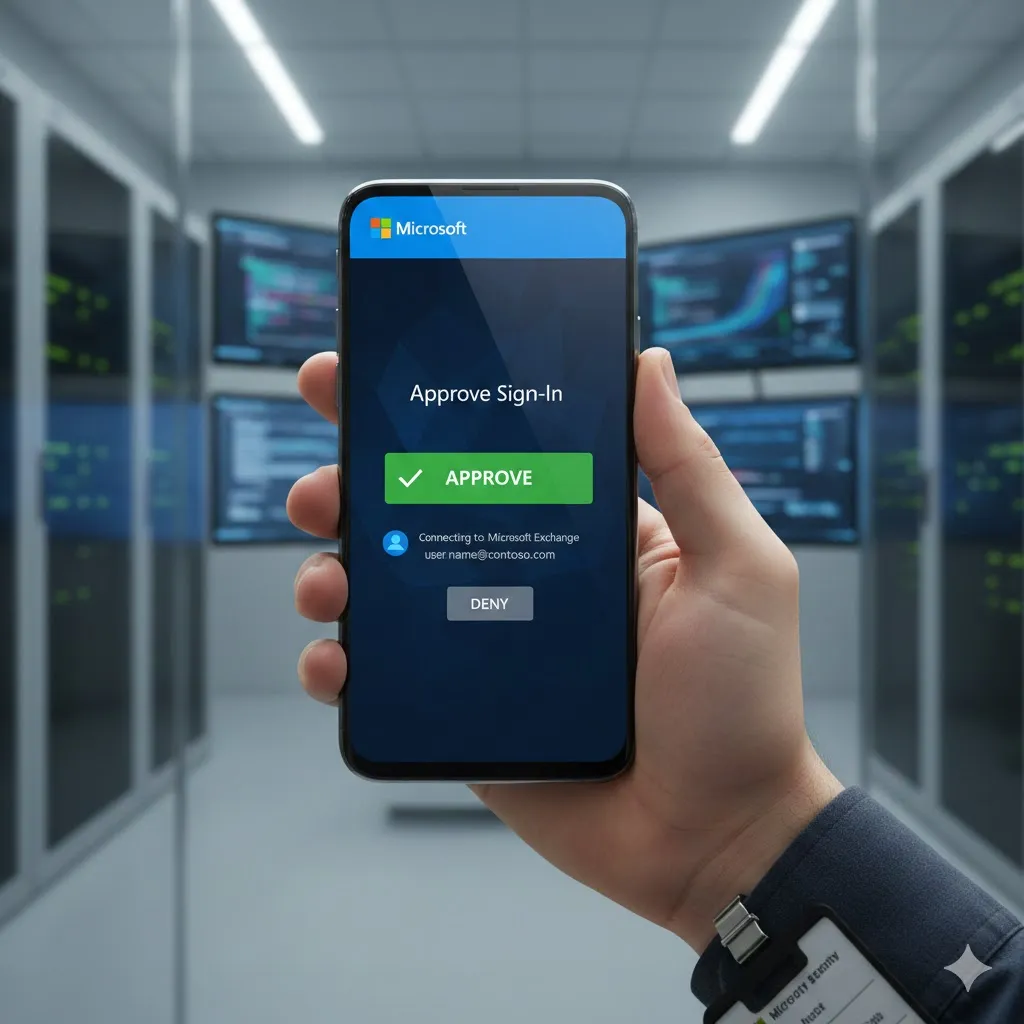
Enable Multi-Factor Authentication (MFA) Immediately
Passwords alone are not enough.
Use:
- Authenticator apps (Google Authenticator, Authy)
- Hardware security keys
- Biometric login (if available)
Avoid relying solely on SMS-based authentication. SIM-swapping attacks can intercept text verification codes.
Use Strong, Unique Passwords
Every exchange account should have:
- A unique password
- At least 12–16 characters
- Uppercase, lowercase, numbers, and symbols
A password manager helps generate and store secure credentials safely.
Never reuse passwords across multiple financial platforms.
Lock Down Withdrawal Settings
Many exchanges allow extra protection layers.
| Security Feature | Why It Matters | Action Step |
|---|---|---|
| Withdrawal Whitelisting | Limits transfers to approved addresses | Enable immediately |
| Login Alerts | Notifies you of new device access | Turn on notifications |
| Anti-Phishing Code | Verifies official emails | Set custom code |
| API Key Restrictions | Limits trading automation access | Disable if unused |
| Session Timeout | Auto-logs inactive sessions | Enable short timeout |
These small settings significantly reduce risk.
Protect Your Email First
Your exchange account is only as secure as your email.
Secure your email by:
- Enabling MFA
- Using a unique password
- Monitoring login activity
- Removing recovery phone numbers you no longer use
If someone compromises your email, they can reset your exchange password.
Avoid Public Wi-Fi for Trading
Public networks increase exposure to:
- Man-in-the-middle attacks
- Packet sniffing
- Fake Wi-Fi hotspots
If you must access your exchange account on public Wi-Fi, use a trusted VPN and avoid executing high-value transactions.
Watch for Phishing Attacks
Modern phishing emails can perfectly replicate exchange branding.
Always:
- Type exchange URLs manually
- Bookmark official websites
- Verify domain spelling
- Never share 2FA codes
If a message creates urgency, pause. Legitimate exchanges do not pressure users to act instantly through email links.
Pro Insight
Enable withdrawal delays if your exchange offers them. Even a 24-hour withdrawal hold after security changes can provide critical time to detect unauthorized activity.
Monitor Account Activity Regularly
Review:
- Login history
- Withdrawal records
- Linked devices
- API connections
Frequent checks allow you to spot suspicious behavior early.
Quick Tip
Use a separate email address exclusively for financial accounts. Keeping it off social media and newsletters reduces exposure to phishing campaigns.
Frequently Asked Questions
Is SMS authentication safe enough?
It offers some protection but is vulnerable to SIM-swapping. Authenticator apps or hardware keys are stronger options.
What is withdrawal whitelisting?
It restricts fund transfers to pre-approved wallet or bank addresses.
Can exchanges recover stolen funds?
Recovery is difficult and often impossible once funds are withdrawn, especially in crypto transactions.
Should I use browser password storage?
A dedicated password manager is generally more secure than built-in browser storage.
How often should I update my password?
Review and update passwords periodically, especially after any security alert or data breach.
Conclusion
Exchange account security depends on layered protection. Strong passwords, multi-factor authentication, withdrawal controls, and phishing awareness work together to reduce risk.
Financial platforms are constant targets. But disciplined security habits create powerful defense. Protect your email, monitor activity, and enable every security feature available.
Your account security is not just technical — it’s behavioral. Stay vigilant.
Trusted U.S. Resources
Federal Trade Commission – Online Security Guidance
https://www.ftc.gov
FBI Internet Crime Complaint Center (IC3)
https://www.ic3.gov
Cybersecurity & Infrastructure Security Agency (CISA)
https://www.cisa.gov
National Institute of Standards and Technology (NIST)
https://www.nist.gov
This article is for general informational purposes only and does not provide legal, financial, medical, or professional advice. Policies, rates, and regulations may change over time.