
 wewe
wewe 
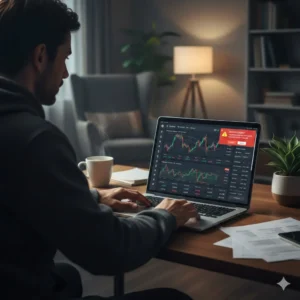
Data driven trading has reshaped how investors approach financial markets. In 2026, access to real-time datasets, AI-enhanced analytics, and cloud-based computing allows traders to base decisions on measurable evidence rather than emotion.
However, data alone doesn’t guarantee success. The advantage comes from structured models, disciplined testing, and risk management. Without those elements, even the best datasets become noise.
This article is for general informational purposes only and does not provide legal, financial, medical, or professional advice. Policies, rates, and regulations may change over time.
What Is Data Driven Trading?
Data driven trading relies on quantitative analysis, statistical modeling, and structured decision rules to execute trades.
Instead of reacting to headlines or market rumors, traders analyze:
- Historical price patterns
- Volume changes
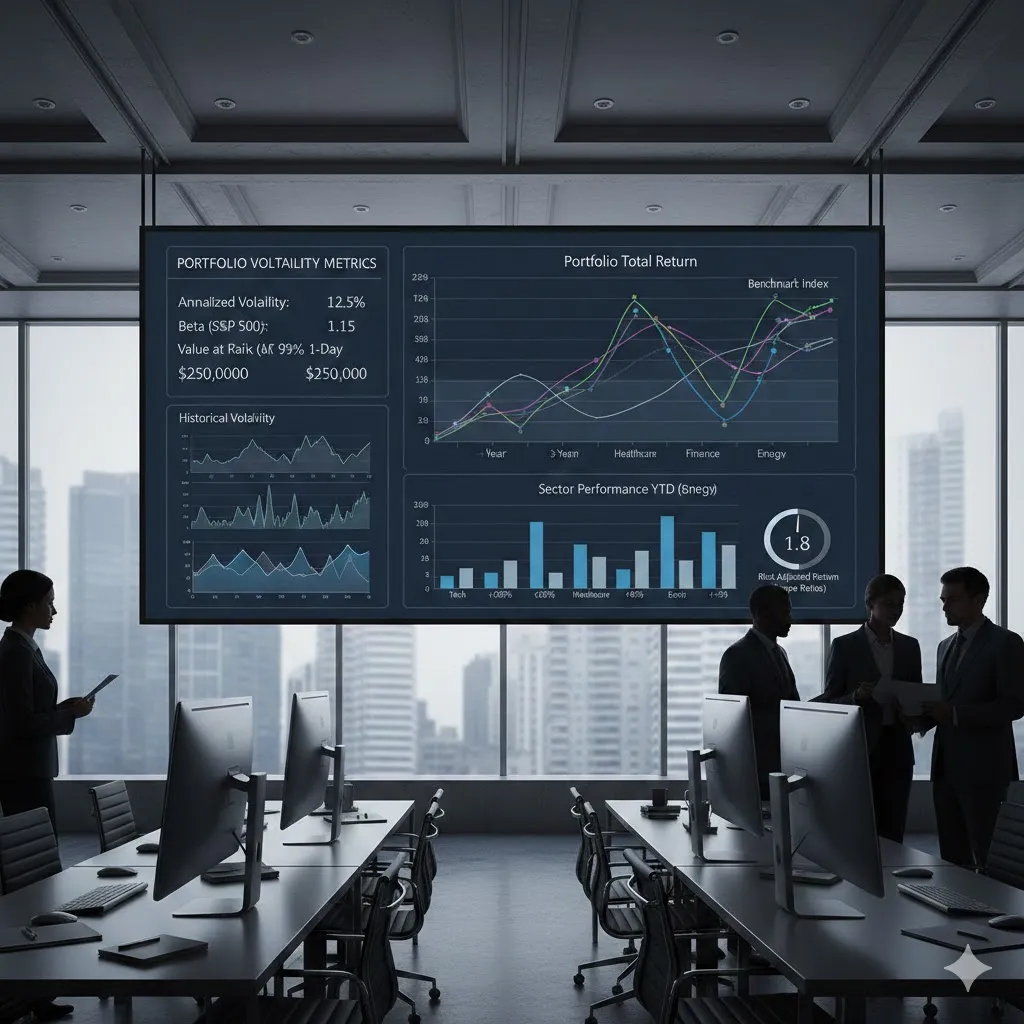
- Volatility metrics
- Macroeconomic indicators
- Sentiment signals
- Alternative datasets (such as consumer trends)
For example, a trader might build a model that identifies stocks with rising earnings revisions and accelerating momentum — then apply strict risk limits to each position.

Why Data Driven Trading Matters in 2026
Markets today are heavily influenced by algorithms. Institutional investors deploy automated systems that process enormous amounts of information instantly.
To remain competitive, individual traders increasingly adopt structured data approaches.
Reduced Emotional Bias
Emotional decisions often lead to overtrading or panic selling. Data-based systems follow predefined rules.
Faster Reaction to Market Changes
Automated alerts and trading signals respond immediately to shifting conditions.
Measurable Performance Tracking
Data-driven systems provide clear metrics such as:
- Sharpe ratio
- Maximum drawdown
- Win rate
- Risk-adjusted returns
Quantifying performance reveals strengths and weaknesses objectively.
Core Components of a Data Driven Trading System
| Component | Purpose | Risk If Ignored |
|---|---|---|
| Data Quality | Ensures reliable inputs | Biased signals |
| Backtesting | Tests historical viability | False confidence |
| Risk Controls | Limits downside exposure | Large losses |
| Execution System | Efficient trade placement | Slippage impact |
| Monitoring | Detects model drift | Undetected failure |
Strong systems rely on clean, accurate data and ongoing performance review.
Popular Data Driven Trading Approaches
Momentum Strategies
Buy assets showing consistent upward price trends and sell weakening positions.
Mean Reversion
Identify securities temporarily deviating from historical averages.
Statistical Arbitrage
Exploit pricing inefficiencies between correlated assets.
Machine Learning Models
Use predictive analytics to estimate probabilities rather than certainties.
For instance, a trader might train a model using past volatility spikes to anticipate breakout conditions in equity markets.
Pro Insight
Out-of-sample testing — evaluating a model on data it hasn’t “seen” — is one of the strongest defenses against overfitting and unrealistic expectations.
Risks of Data Driven Trading
Even structured systems carry risk.
Overfitting
Designing models too closely aligned to historical data often results in poor real-world performance.
Data Bias
Survivorship bias and incomplete datasets distort backtest results.
Market Regime Changes
Strategies that perform well in low-volatility environments may struggle during economic shocks.
Regulatory Considerations
U.S. traders must remain compliant with SEC, FINRA, and CFTC regulations depending on asset class and strategy.
Quick Tip
Start with simple rule-based strategies before introducing complex machine learning systems. Complexity doesn’t always improve performance.
Frequently Asked Questions
Is data driven trading only for professionals?
No. Many platforms now offer analytical tools accessible to retail traders.
Do I need programming skills?
Basic knowledge of Python or similar tools is helpful, though some platforms provide visual interfaces.
Can data eliminate trading risk?
No. Data improves decision-making but cannot remove market uncertainty.
What markets support data driven trading?
Equities, futures, forex, and digital assets all support quantitative approaches.
How important is risk management?
Critical. Even profitable systems can fail without strict exposure controls.
Conclusion
Data driven trading in 2026 represents a disciplined approach to navigating complex financial markets. By combining clean data, structured testing, and realistic risk management, traders aim to reduce emotional bias and improve consistency.
While no system guarantees profits, informed, measured strategies provide a stronger foundation than reactive decision-making.
Trusted U.S. Resources
U.S. Securities and Exchange Commission (SEC) – Investor Education
https://www.sec.gov/
Financial Industry Regulatory Authority (FINRA) – Investor Resources
https://www.finra.org/
Commodity Futures Trading Commission (CFTC) – Market Education
https://www.cftc.gov/
National Institute of Standards and Technology (NIST) – Risk Management Framework
https://www.nist.gov/