

 wewe
wewe 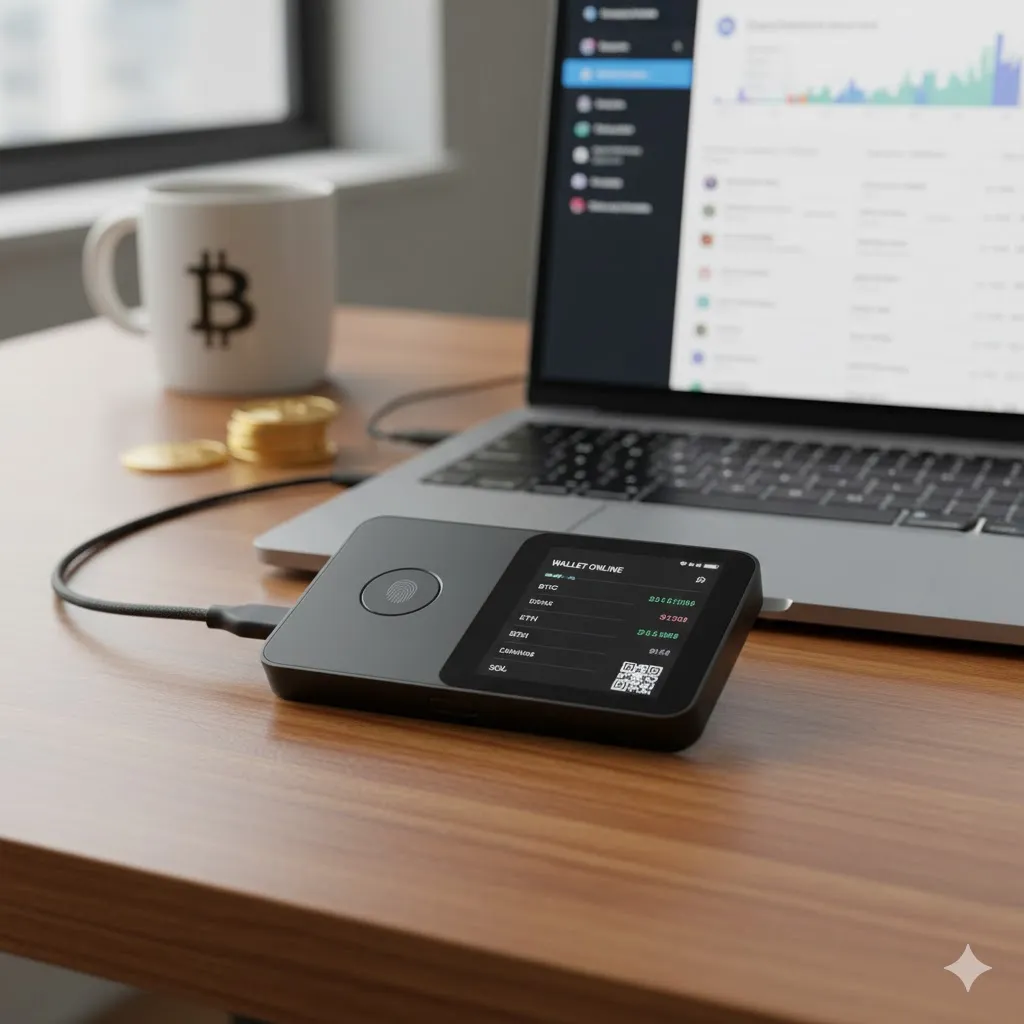
A crypto wallet is one of the first tools anyone encounters when entering the world of digital assets. While exchanges make buying crypto easy, wallets are what actually give you control. They determine how you store, send, receive, and protect your cryptocurrency.
In 2025, as self-custody becomes more widely discussed, crypto wallets are no longer just a technical detail. They’re a core part of how people interact with blockchain technology and manage digital ownership.
Disclaimer: This article is for educational purposes only and does not provide financial, legal, or investment advice. Cryptocurrency involves risk, and individual needs may vary.
What a crypto wallet really does
Despite the name, a crypto wallet doesn’t actually store your coins. Instead, it stores the private keys that prove your ownership of crypto on the blockchain. These keys allow you to authorize transactions and access your funds.
Think of it like a digital keychain. The assets live on the blockchain, but your wallet gives you the keys needed to move them.
For example, if someone sends you Bitcoin, the transaction is recorded on the blockchain. Your wallet simply lets you access and control that Bitcoin using your private key.
Types of crypto wallets you should know
Crypto wallets come in different forms, each designed for different use cases and comfort levels.
Hot wallets are connected to the internet. These include mobile apps, desktop software, and browser extensions. They’re convenient for frequent transactions and everyday use.
Cold wallets are offline storage options, such as hardware wallets or paper wallets. They prioritize security over convenience and are commonly used for long-term storage.
A real-life scenario highlights the difference. Someone actively trading tokens may use a mobile hot wallet, while another person holding crypto for years might rely on a hardware wallet stored safely at home.
Custodial vs non-custodial wallets
Another key distinction is who controls the private keys.
| Feature | Custodial Wallet | Non-Custodial Wallet |
|---|---|---|
| Private key control | Platform controls keys | User controls keys |
| Ease of use | Very beginner-friendly | Requires learning basics |
| Recovery options | Account recovery possible | Recovery phrase required |
| Independence | Limited | Full ownership |
| Risk exposure | Platform risk | User responsibility |
Custodial wallets are often provided by exchanges, while non-custodial wallets put full responsibility in the user’s hands.
Pro Insight: Many experienced users combine both—custodial wallets for convenience and non-custodial wallets for long-term security.
Security considerations for crypto wallets
Security is the most important aspect of choosing a crypto wallet. Losing access to your private keys usually means losing your funds permanently.
Common security practices include:
- Storing recovery phrases offline
- Avoiding unknown links and wallet connections
- Keeping software up to date
- Using hardware wallets for large balances
A realistic example: a user stores their recovery phrase in cloud storage, which later gets compromised. Even without hacking the wallet app itself, attackers can drain the funds.
Quick Tip: Never share your recovery phrase, and never enter it on a website unless you are restoring a wallet you fully trust.
How crypto wallets are used in daily life
Crypto wallets are no longer just for holding coins. In 2025, they’re commonly used to:
- Swap tokens on decentralized exchanges
- Sign blockchain transactions
- Access decentralized applications (dApps)
- Store NFTs and digital identities
This expanded functionality makes wallets central to the broader crypto ecosystem.
Choosing the right crypto wallet in 2025
The right wallet depends on how you plan to use crypto. Beginners may prioritize ease of use, while long-term holders often focus on security. Active users may even use multiple wallets for different purposes.
Before choosing, consider how often you transact, how much value you plan to store, and how comfortable you are managing private keys.
Frequently asked questions about crypto wallets
Do I need a crypto wallet to own crypto?
Yes. Even if you use an exchange, your assets are held in a wallet tied to your account.
Are crypto wallets anonymous?
Wallets don’t require names, but transactions are publicly visible on the blockchain.
Can I lose my crypto if I lose my wallet?
If you have your recovery phrase, you can restore access. Without it, funds may be unrecoverable.
Is a hardware wallet worth it?
For larger balances or long-term storage, many users find hardware wallets worthwhile.
Can one wallet hold multiple cryptocurrencies?
Yes. Many modern wallets support multiple blockchains and assets.
Trusted U.S. sources for further reading
- U.S. Securities and Exchange Commission (SEC) – https://www.sec.gov
- Commodity Futures Trading Commission (CFTC) – https://www.cftc.gov
- Consumer Financial Protection Bureau (CFPB) – https://www.consumerfinance.gov
- National Institute of Standards and Technology (NIST) – https://www.nist.gov