

 wewe
wewe 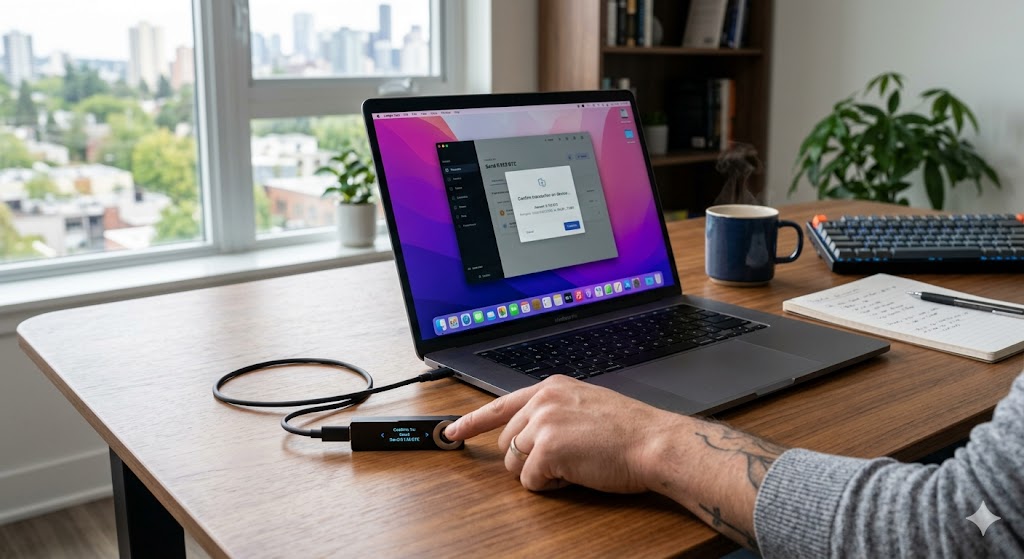
A crypto wallet is an essential tool for anyone using digital assets. It allows you to store, send, and receive cryptocurrencies—but more importantly, it gives you control over your funds.
Unlike a physical wallet, it doesn’t actually hold money. Instead, it stores the private keys that grant access to your assets on the blockchain. (Investopedia)
What Is a Crypto Wallet and How It Works
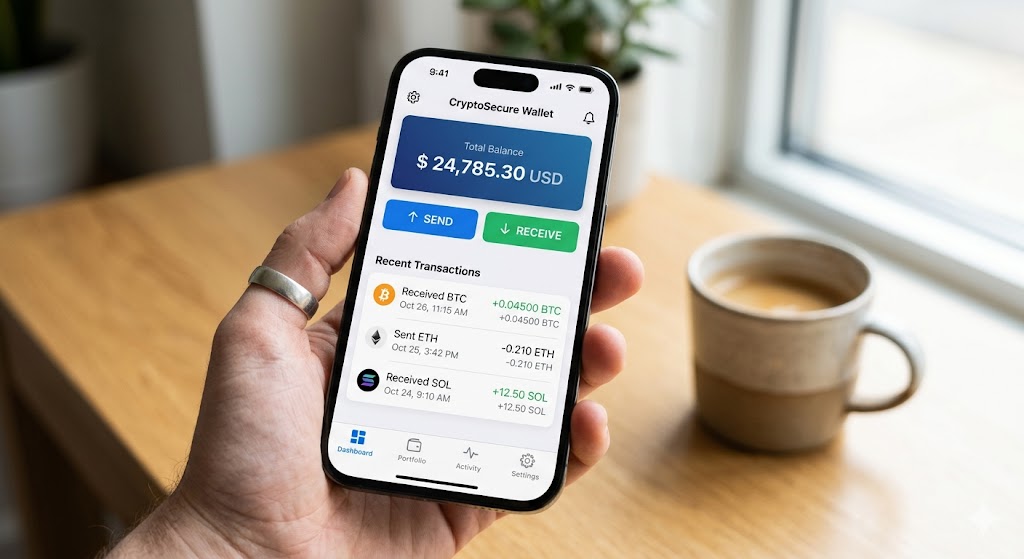
A crypto wallet acts as a gateway to your digital assets. It manages two critical components:
- Public key → like an address you can share to receive crypto
- Private key → a secure code that proves ownership
When you send or receive crypto, the wallet signs transactions using your private key.
Important detail—if you lose your private key or recovery phrase, access to your funds is usually lost permanently.
Types of Crypto Wallets Explained
Crypto wallets generally fall into two main categories.
Hot wallets (online)
- Connected to the internet
- Available as mobile apps, desktop apps, or browser extensions
- Easy to use and convenient for daily transactions
These are widely used, with software wallets making up a large portion of global usage. (Coinspeaker)
Cold wallets (offline)
- Not connected to the internet
- Usually hardware devices or paper wallets
- Designed for long-term storage and higher security
Cold wallets reduce exposure to hacks because private keys remain offline. (Forbes)
Popular Crypto Wallets Compared
| Wallet | Type | Best For |
|---|---|---|
| MetaMask | Hot (browser/mobile) | DeFi and Ethereum users |
| Trust Wallet | Hot (mobile) | Beginners and multi-chain use |
| Coinbase Wallet | Hot (mobile) | Easy onboarding |
| Ledger Nano X | Cold (hardware) | Long-term secure storage |
| Phantom | Hot (mobile/web) | Solana ecosystem |
Many modern wallets support multiple blockchains and offer features like staking, swaps, and NFT storage. (Webopedia)
Pro Insight
Many experienced users don’t rely on just one wallet. A common approach is using a hot wallet for everyday transactions and a cold wallet for long-term storage. This balance helps manage both convenience and security.
Custodial vs Non-Custodial Wallets
Beyond hot vs cold, another important distinction exists.
Custodial wallets
- Managed by an exchange or company
- Easier for beginners
- Less control over private keys
Non-custodial wallets
- You control your private keys
- Higher responsibility
- Greater independence and security
Non-custodial wallets are often considered safer because they reduce reliance on third parties. (Webopedia)
Quick Tip
Write your recovery phrase on paper and store it in a secure place. Avoid saving it digitally, especially in cloud storage or screenshots.
How to Choose the Right Crypto Wallet
Your ideal wallet depends on how you plan to use crypto.
For beginners
Choose a simple mobile wallet with an easy interface.
For active traders
Look for fast, low-fee wallets with exchange integration.
For long-term holders
Consider hardware wallets for maximum security.
For DeFi or NFTs
Use wallets that support decentralized apps and multiple blockchains.
Real-World Micro Scenario
A user buys cryptocurrency on an exchange and keeps it there initially. Later, they move a portion to a mobile wallet for daily use, while transferring the rest to a hardware wallet for long-term storage.
This setup reduces risk while maintaining flexibility.
Security Risks to Understand
Crypto wallets provide control—but also responsibility.
Phishing attacks
Fake websites or apps can steal your credentials.
Device vulnerabilities
Compromised devices may expose private keys.
User error
Sending funds to the wrong address is usually irreversible.
Recent security concerns have highlighted that even smartphones can have vulnerabilities, reinforcing the importance of careful storage practices. (TechRadar)
Frequently Asked Questions
What is a crypto wallet in simple terms?
It’s a tool that lets you access and manage your cryptocurrency using private keys.
Is a crypto wallet safe?
It can be very safe if used properly, especially with strong security practices and offline storage.
What is the difference between hot and cold wallets?
Hot wallets are online and convenient, while cold wallets are offline and more secure.
Do I need a wallet if I use an exchange?
Not always, but using your own wallet gives you more control over your assets.
Can I have multiple crypto wallets?
Yes, many users use multiple wallets for different purposes like trading and storage.
Conclusion
A crypto wallet is more than just a storage tool—it’s your access point to the entire digital asset ecosystem. Choosing the right type depends on how you balance convenience, security, and control.
Taking time to understand wallet types and best practices can help you manage your assets with greater confidence and reduce unnecessary risk.
Trusted U.S. Resources
https://www.sec.gov
https://www.investor.gov
https://www.cftc.gov
https://www.usa.gov
This article is for general informational purposes only and does not provide legal, financial, medical, or professional advice. Policies, rates, and regulations may change over time.