
 wewe
wewe 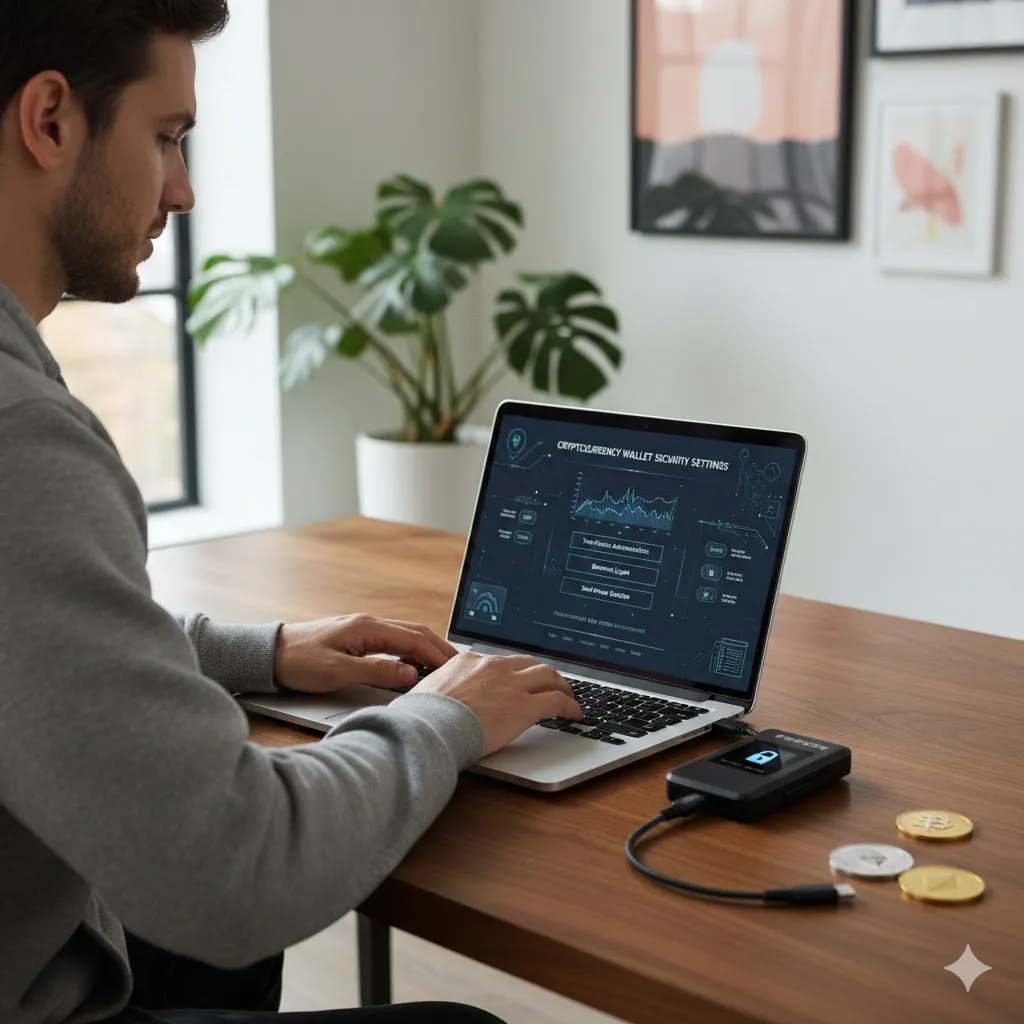
Crypto markets move fast — but so do cyber threats. In 2026, as digital assets become more mainstream, crypto security is no longer optional. Hacks, phishing attacks, wallet exploits, and social engineering scams continue targeting both beginners and experienced investors.
Unlike traditional banks, most crypto transactions are irreversible. Once funds are transferred, recovery is often impossible. That’s why prevention is your strongest defense.
This article is for general informational purposes only and does not provide legal, financial, medical, or professional advice. Policies, rates, and regulations may change over time.
Why Crypto Security Matters More Than Ever
Digital assets operate on decentralized networks. While blockchain technology is secure by design, user behavior often becomes the weakest link.
Common risks in 2026 include:
- Phishing emails and fake exchange websites
- Malicious browser extensions
- Compromised mobile wallets
- SIM swap attacks
- Fake airdrops and NFT scams
For example, clicking a fraudulent link that mimics a popular exchange login page can expose credentials instantly.
Cold Wallet vs Hot Wallet Security
Understanding wallet types is foundational.
| Wallet Type | Connected to Internet | Security Level | Best For |
|---|---|---|---|
| Hot Wallet | Yes | Moderate | Active trading |
| Cold Wallet | No | High | Long-term storage |
| Hardware Wallet | Offline device | Very High | Large holdings |
| Exchange Wallet | Custodied by platform | Varies | Short-term convenience |
Hot wallets offer convenience but greater exposure. Cold storage reduces hacking risk because private keys remain offline.
Use Hardware Wallets for Long-Term Holdings
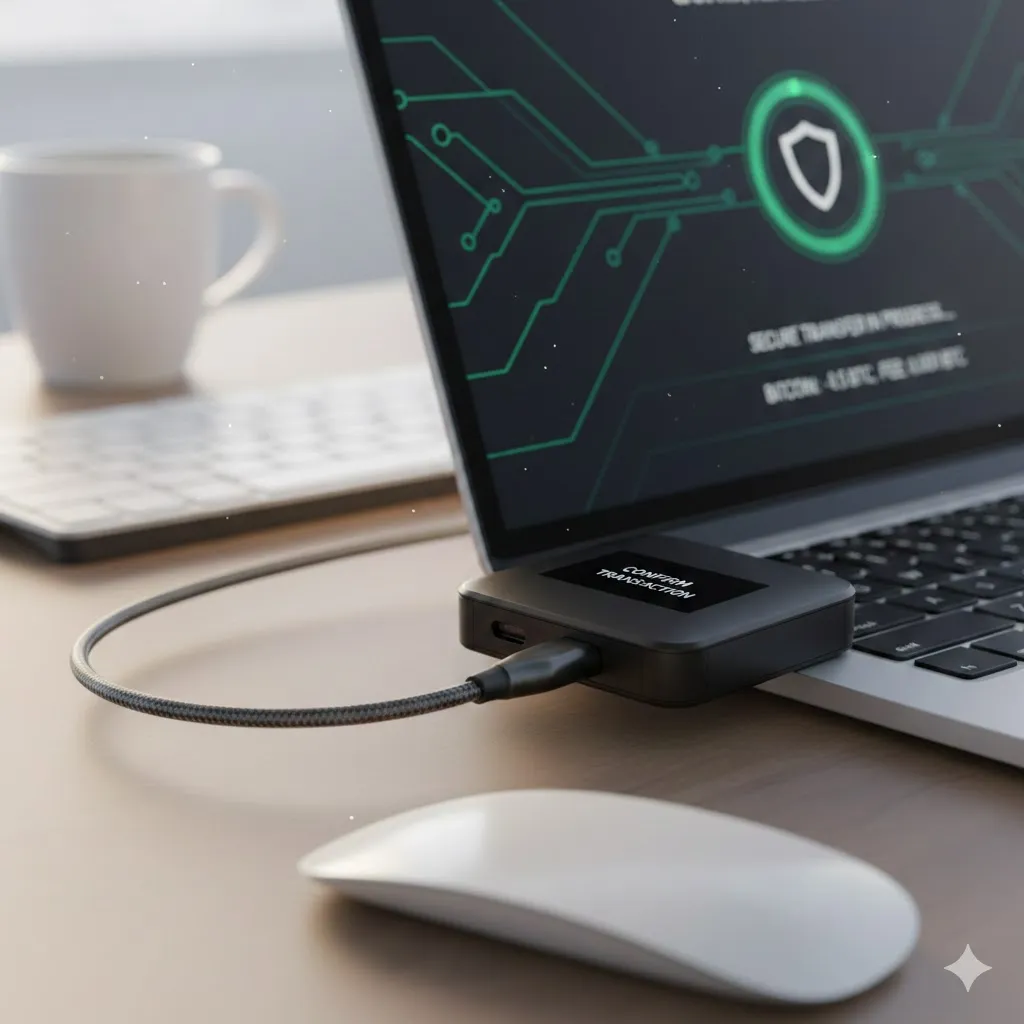
Hardware wallets store private keys offline. Even if your computer is compromised, your crypto remains protected.
When setting up:
- Write down recovery phrase offline
- Never store seed phrase digitally
- Verify firmware authenticity
For example, taking a screenshot of your recovery phrase and storing it in cloud storage significantly increases vulnerability.
Enable Strong Authentication
Two-factor authentication (2FA) is essential.
Best Practices
- Use app-based 2FA (like authenticator apps) instead of SMS
- Avoid reusing passwords
- Use a password manager
- Enable withdrawal address whitelisting
SIM swap attacks — where hackers hijack your phone number — remain a major risk when SMS authentication is used.
Pro Insight
Security failures rarely come from blockchain flaws. Most losses result from phishing or compromised credentials. Slowing down before clicking unfamiliar links dramatically reduces risk.
Beware of Social Engineering
In 2026, scams often involve:
- Fake support agents on social media
- Impersonation emails
- Fake “urgent account alert” messages
- Investment guarantees in private messages
Legitimate exchanges will never request your private keys or seed phrase.
If anyone asks for your recovery phrase, it is a scam.

Diversify Storage
Avoid storing all assets in one wallet or exchange.
For example:
- Keep small trading amounts on exchanges
- Store majority in cold storage
- Separate wallets for DeFi and NFTs
Segmentation limits exposure if one platform is compromised.
Keep Software Updated
- Update wallet software regularly
- Use official apps from verified sources
- Avoid downloading unknown browser extensions
- Keep operating systems patched
Outdated systems are easier targets.
Quick Tip
Before confirming any crypto transaction, double-check wallet addresses carefully. Clipboard malware can alter copied addresses without visible warning.
Frequently Asked Questions
Are hardware wallets 100% safe?
No system is perfect, but hardware wallets significantly reduce online attack risk.
Should I leave crypto on exchanges?
Exchanges are convenient but carry counterparty risk. Long-term storage is safer offline.
What is a seed phrase?
A seed phrase is a recovery key granting full wallet access. Protect it offline and never share it.
Can crypto transactions be reversed?
Generally no. Blockchain transactions are irreversible once confirmed.
Is public Wi-Fi safe for crypto transactions?
It increases risk. Avoid accessing wallets or exchanges over unsecured networks.
Conclusion
Crypto security in 2026 requires proactive habits: strong authentication, cold storage for large holdings, careful transaction verification, and constant awareness of phishing threats.
Digital assets offer opportunity — but responsibility rests with the user. Protecting private keys and maintaining disciplined security practices are the foundation of safe crypto ownership.
Trusted U.S. Resources
U.S. Securities and Exchange Commission (SEC) – Investor Alerts
https://www.sec.gov/
Commodity Futures Trading Commission (CFTC) – Digital Asset Risk Guidance
https://www.cftc.gov/
Cybersecurity & Infrastructure Security Agency (CISA) – Cyber Safety
https://www.cisa.gov/
Federal Trade Commission (FTC) – Cryptocurrency Scam Warnings
https://consumer.ftc.gov/