
 wewe
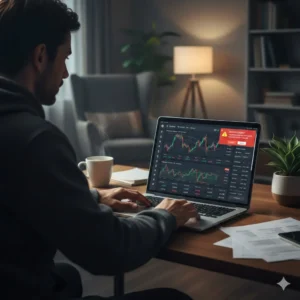
wewe Cryptocurrency markets move fast — sometimes violently. Double-digit swings within hours are not unusual. That’s why crypto risk management isn’t optional. It’s the foundation of survival.
In 2026, digital asset markets are more mature than a decade ago, but volatility, regulatory shifts, exchange risks, and liquidity gaps remain real. Smart investors don’t just focus on gains — they prioritize capital protection first.
This article is for general informational purposes only and does not provide legal, financial, medical, or professional advice. Policies, rates, and regulations may change over time.
Why Crypto Risk Management Matters
Unlike traditional stock markets, crypto trades 24/7. There are no closing bells, no guaranteed circuit breakers across all exchanges, and sentiment shifts can trigger rapid sell-offs.
For example, a trader heavily concentrated in a single token may see a 30% drop overnight due to regulatory news or exchange disruptions. Without structured risk controls, recovery becomes difficult.
Risk management reduces the chance that one bad decision wipes out months — or years — of progress.

Core Principles of Crypto Risk Management
Position Sizing
Never allocate too much capital to a single trade. Many disciplined traders risk only a small percentage of total portfolio value per position.
Diversification
Spreading capital across multiple assets reduces exposure to a single token collapse.
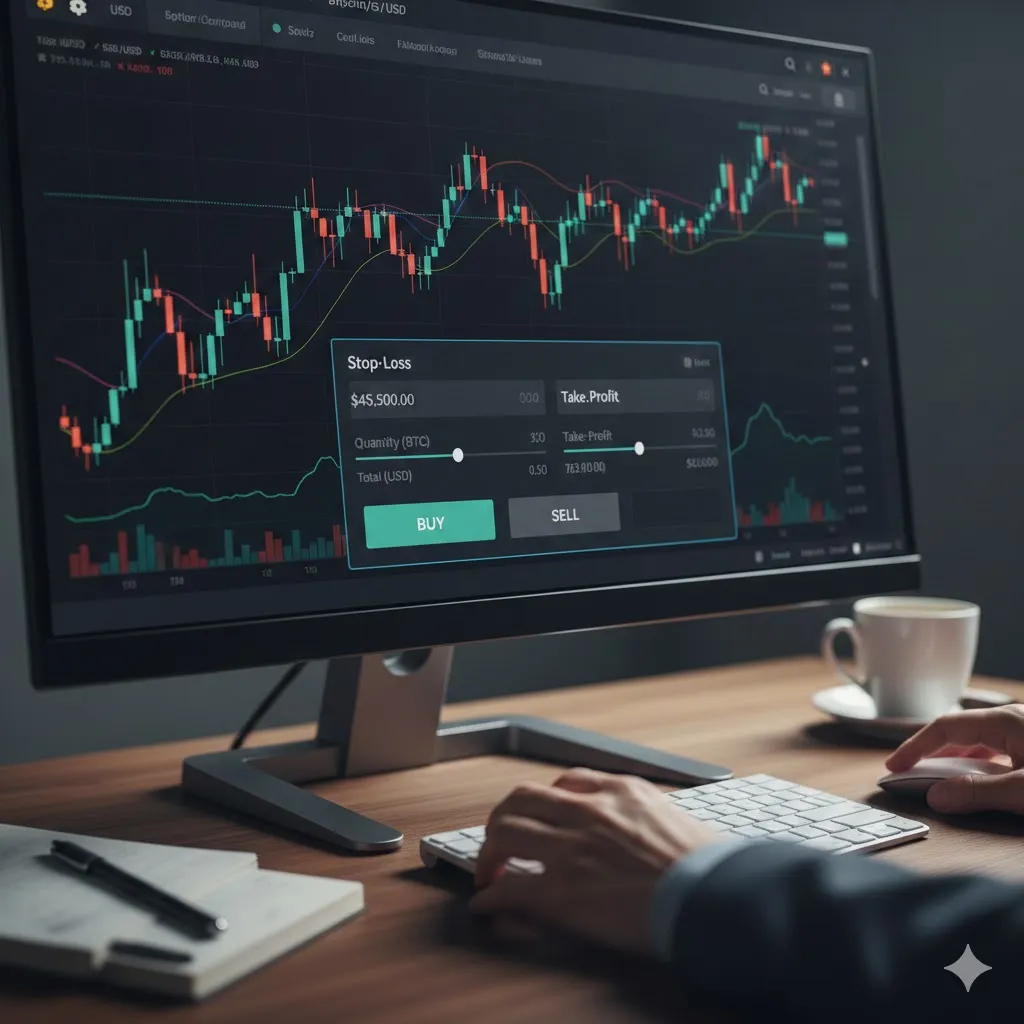
Stop-Loss Strategy
Predefined exit levels limit downside when price moves against your position.
Risk-to-Reward Ratio
Before entering a trade, calculate whether potential upside justifies downside risk.
| Risk Control | Purpose | Benefit |
|---|---|---|
| Position Limits | Control exposure | Protect capital |
| Stop-Loss Orders | Limit losses | Emotional control |
| Diversification | Spread volatility | Reduce concentration |
| Stablecoin Allocation | Reduce market swings | Liquidity buffer |
Structure prevents emotional trading.
Managing Volatility in 2026
Crypto volatility remains a defining characteristic. Managing it requires strategy.
Use Smaller Leverage — Or Avoid It
Leverage amplifies gains but magnifies losses. Even small adverse moves can liquidate positions.
Monitor Market Liquidity
Thin trading volumes increase slippage and execution risk.
Watch Regulatory Developments
U.S. regulatory guidance from agencies such as the SEC and CFTC continues evolving. Policy announcements can trigger sharp market reactions.
For instance, regulatory clarification around token classifications has historically influenced short-term price swings.
Pro Insight
Successful crypto investors focus on portfolio survival first. Long-term gains compound only when capital is preserved during downturns.
Security Is Part of Risk Management
Market risk is only one side. Operational risk matters just as much.
Use Secure Wallets
Cold storage (hardware wallets) reduces exchange counterparty risk.
Enable Two-Factor Authentication
Strengthen account security against unauthorized access.
Diversify Across Platforms
Avoid concentrating all funds on a single exchange.

Psychological Risk Control
Emotional reactions amplify losses.
- Avoid chasing rapid price spikes
- Stick to predefined trading plans
- Review performance objectively
For example, panic selling during sharp dips often locks in losses that disciplined investors might otherwise manage.
Quick Tip
Before entering any trade, define your exit strategy. If you don’t know where you’ll exit — either for profit or loss — you’re trading emotionally, not strategically.
Frequently Asked Questions
Is crypto riskier than traditional stocks?
Cryptocurrency markets generally exhibit higher volatility and regulatory uncertainty.
How much of my portfolio should be crypto?
Allocation depends on individual risk tolerance and financial goals.
Are stop-loss orders always effective?
They help limit losses but may experience slippage during extreme volatility.
Does diversification eliminate risk?
No. It reduces concentration risk but cannot remove overall market risk.
Is cold storage necessary?
For long-term holders, cold storage adds an extra layer of protection against exchange risk.
Conclusion
Crypto risk management in 2026 is about discipline, structure, and security. By controlling position size, diversifying holdings, setting stop-loss limits, and protecting digital assets properly, investors can navigate volatility with greater resilience.
Profits are attractive. Preservation is essential. Sustainable crypto participation begins with risk control.
Trusted U.S. Resources
U.S. Securities and Exchange Commission (SEC) – Digital Asset Guidance
https://www.sec.gov/
Commodity Futures Trading Commission (CFTC) – Cryptocurrency Education
https://www.cftc.gov/
Federal Trade Commission (FTC) – Crypto Consumer Alerts
https://consumer.ftc.gov/
National Institute of Standards and Technology (NIST) – Cybersecurity Framework
https://www.nist.gov/