
 wewe
wewe 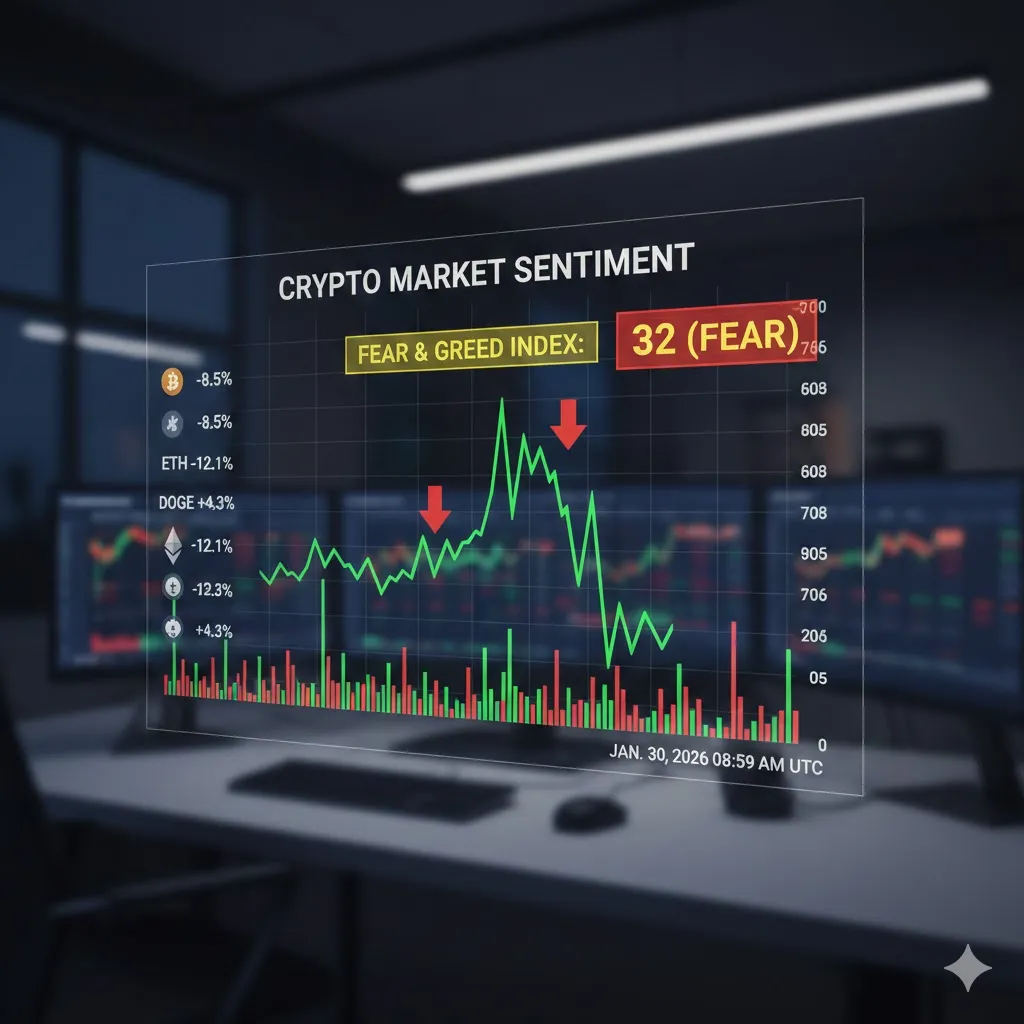
A clear guide to crypto market sentiment, how it’s measured, and why traders use it to read behavior beyond price in 2026.
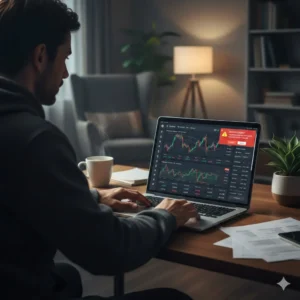
Crypto market sentiment reflects how participants feel about the market at any given time. While charts show price movement, sentiment reveals fear, optimism, or uncertainty driving those moves. In fast-moving crypto markets, understanding sentiment often matters as much as understanding fundamentals.
In 2026, traders no longer rely on instinct alone. They use sentiment data to stay grounded when emotions run high.
What Market Sentiment in Crypto Really Means
Market sentiment describes the collective emotional bias of traders and investors. It answers a simple question: are people mostly fearful, confident, or undecided right now?
For example, sharp price drops paired with panic selling usually signal negative sentiment. Meanwhile, aggressive buying during rallies often reflects optimism—or sometimes overconfidence.

Unlike price, sentiment is not binary. It exists on a spectrum and shifts constantly as news, data, and liquidity change.
Why Crypto Market Sentiment Matters So Much
Crypto markets are heavily influenced by psychology. With 24/7 trading and global participation, emotions spread fast.
Imagine a sudden regulatory headline. Prices dip slightly, but sentiment turns sharply negative. Even without major selling pressure, fear alone can accelerate declines. Conversely, improving sentiment during flat prices may signal quiet accumulation.
Because of this, sentiment is often studied alongside on-chain metrics and derivatives data to confirm whether moves are emotional or structural.
Common Indicators Used to Measure Sentiment
No single metric defines sentiment. Analysts usually combine several signals.
Fear and Greed Index
This index blends volatility, momentum, and market behavior into a simple score ranging from fear to greed.
Funding Rates and Positioning
Extreme funding rates often reveal emotional imbalance—either excessive optimism or fear.
Social and News Signals
Spikes in discussion volume or emotionally charged headlines can amplify sentiment shifts, especially during volatile periods.

Crypto Market Sentiment vs Price Action
| Element | What It Reflects | Best Use Case |
|---|---|---|
| Market Sentiment | Trader emotion & bias | Context & risk awareness |
| Price Action | Market movement | Direction & momentum |
| Volume | Activity intensity | Confirmation |
| On-Chain Data | Actual asset movement | Structural insight |
This comparison shows why sentiment adds context, not certainty.
How Traders Use Sentiment in Practice
Professional traders often become cautious when sentiment reaches extremes. Excessive greed may signal overheating, while deep fear can indicate capitulation.
Retail traders use sentiment defensively. For example, someone holding a long position may reduce risk when optimism becomes crowded, even if price still looks strong.
Sentiment doesn’t tell traders what will happen—but it helps explain why people behave the way they do.
Disclaimer
This article is for informational purposes only and does not constitute financial or investment advice. Market sentiment does not guarantee future outcomes.
Pro Insight
Sentiment is most valuable at extremes. Neutral sentiment offers little edge, while emotional peaks often precede sharp moves.
Quick Tip
Use sentiment to manage risk, not to predict tops or bottoms with certainty.
Common Misunderstandings About Market Sentiment
A frequent mistake is assuming bullish sentiment means price must rise. In reality, overly bullish markets can reverse sharply.
Another misconception is treating sentiment indicators as timing tools. They work best as contextual signals, not entry triggers.
FAQs About Crypto Market Sentiment
Is market sentiment measurable?
Yes. It’s estimated using multiple indicators, not a single number.
Can sentiment predict price direction?
It suggests probabilities, not guarantees.
Does sentiment change quickly in crypto?
Yes. Crypto sentiment can shift within hours.
Is social media sentiment reliable?
It can help, but it’s often noisy and exaggerated.
Should beginners use sentiment analysis?
Yes, but only as a supporting tool alongside other indicators.
Conclusion
Crypto market sentiment reveals the emotional layer behind price movement. By understanding whether markets are driven by fear, confidence, or uncertainty, traders gain perspective that charts alone can’t provide.
In 2026’s fast and reactive crypto environment, sentiment analysis helps traders slow down, manage risk, and think more clearly when emotions run high.
U.S. Trusted Resources
- U.S. Securities and Exchange Commission – Crypto Market Risks
https://www.sec.gov - Commodity Futures Trading Commission (CFTC) – Market Oversight
https://www.cftc.gov - MIT Digital Currency Initiative
https://dci.mit.edu - Federal Trade Commission – Crypto Consumer Education
https://www.ftc.gov