

 wewe
wewe 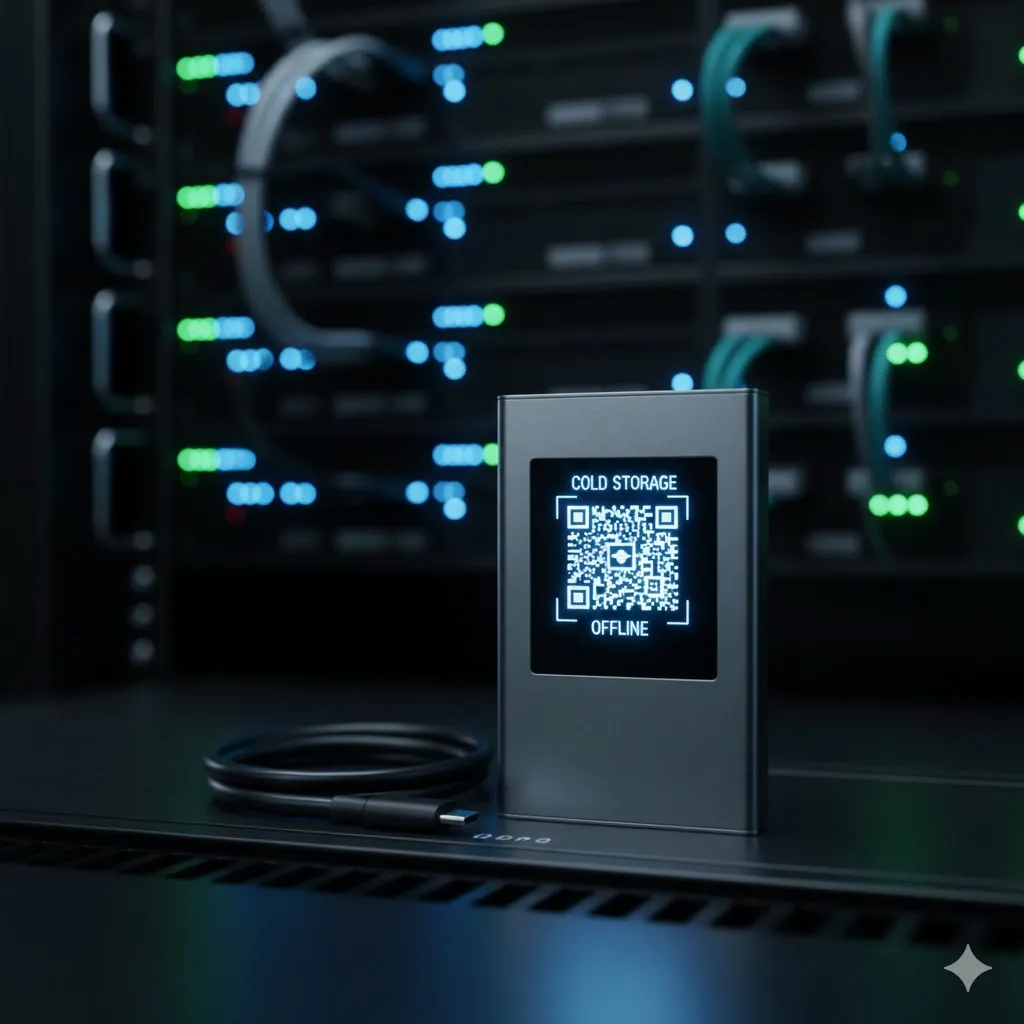
A cold wallet is often described as the safest way to store cryptocurrency. Unlike wallets that stay connected to the internet, cold wallets are designed to keep your private keys offline, reducing exposure to digital threats.
In 2025, as more users prioritize self-custody and long-term security, cold wallets have become a standard tool for protecting significant crypto holdings. <hr class=”alp-separator”>
Disclaimer: This article is for educational purposes only and does not provide financial, legal, or investment advice. Cryptocurrency storage choices involve risk, and individual security needs may vary.
What a cold wallet really is
A cold wallet is a type of crypto wallet that stores private keys offline. Because it’s not connected to the internet, it’s far less vulnerable to hacking, phishing, or malware attacks.
Cold wallets are typically used for long-term storage rather than daily transactions. They’re common among investors who plan to hold assets for months or years without frequent movement.
For example, someone buying cryptocurrency as a long-term investment may transfer it to a cold wallet and only access it occasionally for portfolio reviews.
Types of cold wallets
Cold wallets come in a few main forms, each with different trade-offs.
Hardware wallets are physical devices designed specifically to store private keys securely. They’re widely used due to their balance of security and usability.
Paper wallets involve printing private keys or recovery phrases on paper. While fully offline, they require careful physical protection.
Air-gapped devices are computers or devices never connected to the internet, used exclusively for signing transactions offline.
A realistic scenario: a long-term holder uses a hardware wallet stored in a safe, accessing it only when rebalancing or moving assets.
Cold wallet vs hot wallet
Understanding the difference between cold and hot wallets helps clarify when each is appropriate.
| Feature | Cold Wallet | Hot Wallet |
|---|---|---|
| Internet connection | Offline | Online |
| Security level | Very high | Moderate |
| Ease of access | Lower | High |
| Best use case | Long-term storage | Daily transactions |
| Exposure to hacks | Minimal | Higher |
Cold wallets emphasize protection, while hot wallets emphasize convenience.
Pro Insight: Many experienced users split funds—keeping long-term holdings in cold storage and a small working balance in a hot wallet.
Security benefits and responsibilities
Cold wallets significantly reduce online attack risk, but they introduce physical security responsibilities. Losing a device or recovery phrase can mean permanent loss of access.
Common best practices include:
- Storing recovery phrases offline in multiple secure locations
- Avoiding digital backups of private keys
- Protecting devices from physical damage or theft
Quick Tip: Treat your recovery phrase like a master key—anyone with access to it controls your funds.
How cold wallets are used in 2025
In 2025, cold wallets are widely used by:
- Long-term crypto investors
- Institutions and custodians
- Users securing NFTs or large token balances
Improved hardware design and user interfaces have made cold wallets more accessible, even for non-technical users.
Is a cold wallet right for you?
Cold wallets are best suited for users who prioritize security over speed. If you rarely transact and hold meaningful value in crypto, a cold wallet may offer peace of mind.
For active traders or frequent DeFi users, combining cold and hot wallets often provides the best balance.
Frequently asked questions about cold wallets
Are cold wallets completely safe?
They greatly reduce online risks, but physical loss or damage can still be a concern.
Do cold wallets connect to the internet at all?
No. Private keys remain offline, even when transactions are signed.
Can beginners use cold wallets?
Yes. Modern hardware wallets are designed to be user-friendly.
What happens if I lose my cold wallet?
Funds can usually be recovered using the recovery phrase.
Can cold wallets store multiple cryptocurrencies?
Most modern cold wallets support multiple assets and blockchains.
Trusted U.S. sources for further reading
- U.S. Securities and Exchange Commission (SEC) – https://www.sec.gov
- Commodity Futures Trading Commission (CFTC) – https://www.cftc.gov
- Consumer Financial Protection Bureau (CFPB) – https://www.consumerfinance.gov
- National Institute of Standards and Technology (NIST) – https://www.nist.gov