
 wewe
wewe 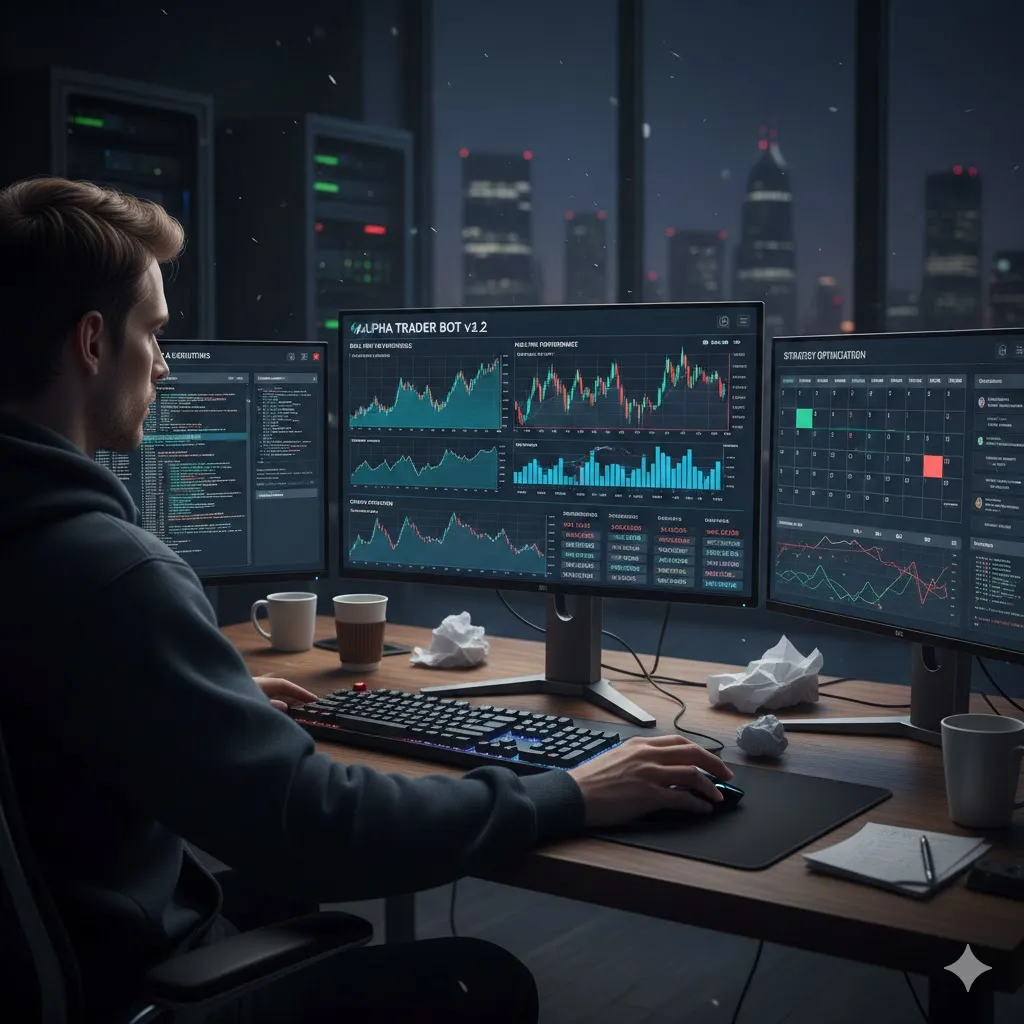
Bot trading risks are often underestimated because automation feels controlled and emotion-free. In 2026, trading bots are easier to access than ever, from crypto platforms to traditional markets. Yet many traders discover too late that automation doesn’t remove risk—it reshapes it.
Understanding these risks early helps you decide when bots make sense and when human oversight matters more.
This article is for general informational purposes only and does not provide financial, investment, or trading advice. Trading involves risk, and outcomes vary based on market conditions and individual decisions.
Why bot trading feels safer than it is
Trading bots don’t panic, hesitate, or second-guess. That alone creates a sense of security. But bots only follow predefined rules, and those rules don’t adapt unless someone updates them.
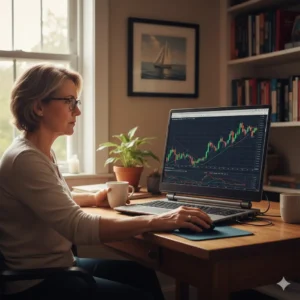
A retail trader in California learned this during a sudden volatility spike. The bot executed trades flawlessly—according to its logic—but the market regime had shifted. Losses came not from mistakes, but from outdated assumptions.
Bot trading risks often grow quietly when confidence replaces supervision.
Strategy risk doesn’t disappear with automation
Every trading bot is built on a strategy, and no strategy works forever.
Bots may rely on historical patterns, indicators, or correlations that weaken over time. Automation accelerates execution, which means flawed logic plays out faster and more consistently.
Backtesting can mislead
Backtested results look reassuring, but they rely on past data. A strategy that thrived in one market cycle may struggle in another. This is a common issue covered in many internal trading education guides, where historical performance is often misunderstood as future reliability.
Technical and infrastructure risks
Even strong strategies can fail due to technical issues beyond your control.
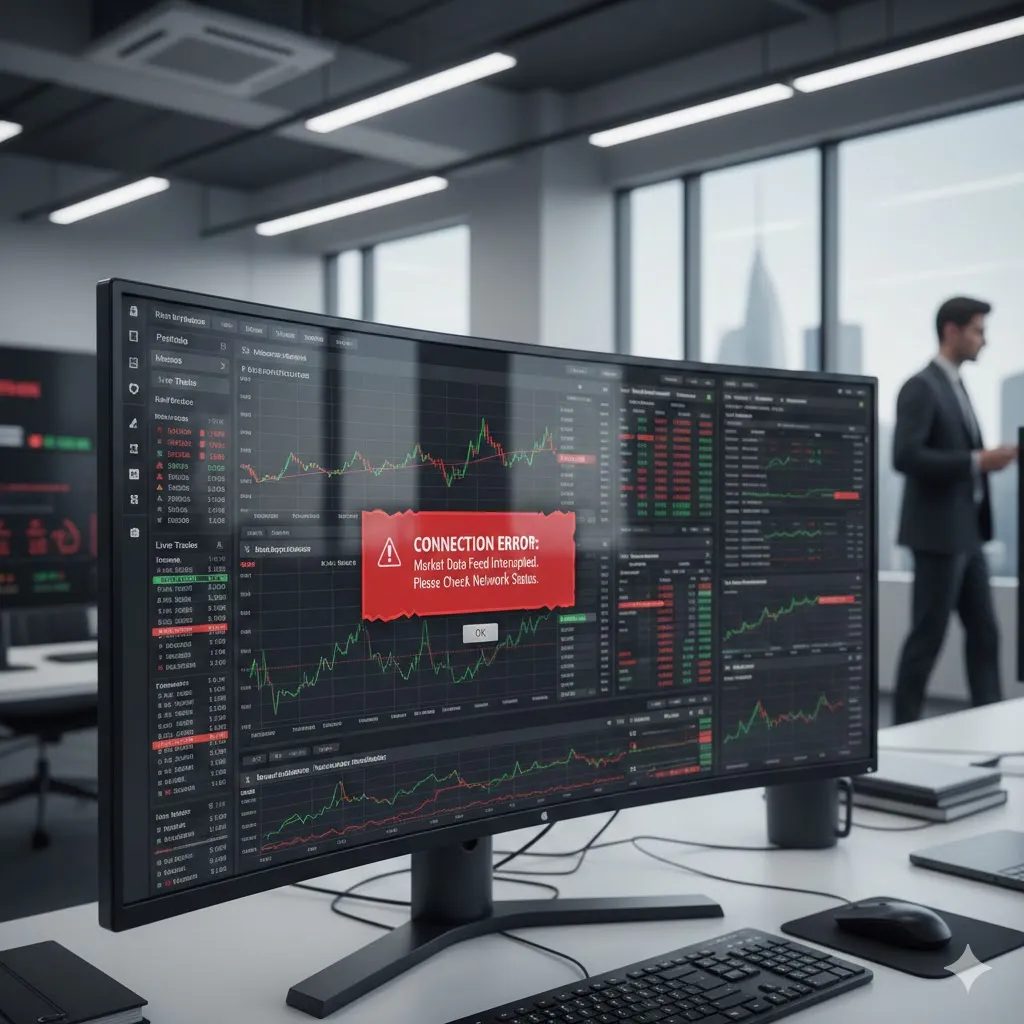
Bots depend on stable APIs, accurate price feeds, and uninterrupted connectivity. A short outage or delayed data can trigger missed trades or unintended orders.
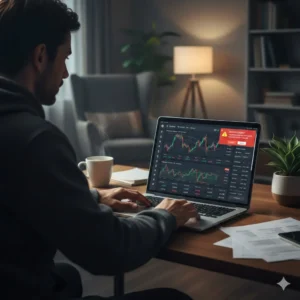
A trader in New York experienced losses when an exchange updated its API without notice. The bot misread confirmations, placing duplicate trades before the issue was detected.
Comparing the most common bot trading risks
Different risks affect traders in different ways. This overview helps clarify where problems usually arise.
| Risk Type | What Goes Wrong | Potential Impact | User Control |
|---|---|---|---|
| Strategy risk | Market conditions change | High | Medium |
| Technical risk | API or system failure | Medium | Low |
| Overtrading | Excessive fees or churn | Medium | Medium |
| Security risk | API or account compromise | High | Medium |
Pro Insight
The most dangerous bot trading risk is neglect. Bots don’t need constant tweaking, but they do need regular review to ensure their logic still matches current markets.
Quick Tip
Always start with a small allocation and observe how the bot behaves across calm and volatile conditions before increasing exposure.
Security and access risks traders overlook
Bots often require API access to trading accounts. Poor security practices can expose accounts to unauthorized trades or worse.
Limiting permissions, avoiding withdrawal access, and rotating API keys are basic safeguards. A freelance trader avoided major damage when a third-party platform was breached because his bot keys were restricted to trading only.
Internal links to account security or platform safety guides fit naturally here for readers who want deeper protection strategies.
FAQs
Are trading bots inherently risky?
Bots themselves aren’t dangerous, but they can amplify strategy, technical, and security risks if poorly managed.
Can bot trading increase losses faster than manual trading?
Yes. Automation executes mistakes consistently and without hesitation.
Do trading bots work in all market conditions?
No. Many struggle during high volatility or rapid regime changes.
Should beginners use trading bots?
Beginners should proceed cautiously and fully understand the strategy before automating trades.
How often should a trading bot be monitored?
Regular reviews are essential, even if daily intervention isn’t required.
Conclusion
Bot trading risks don’t come from automation alone—they come from assuming automation equals safety. Bots execute rules efficiently, but they don’t adapt, judge, or protect capital on their own. With oversight, realistic expectations, and strong security practices, bots can be useful tools. Without them, convenience quickly turns into exposure.
Trusted U.S. Resources
- U.S. Securities and Exchange Commission (SEC): https://www.sec.gov
- FINRA Investor Education: https://www.finra.org
- Commodity Futures Trading Commission (CFTC): https://www.cftc.gov