
 wewe
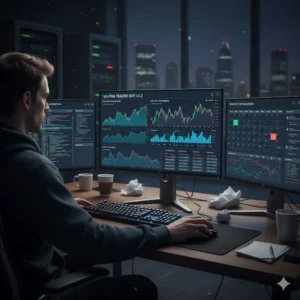
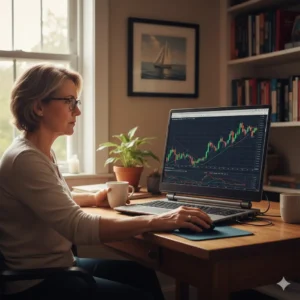
wewe Bot trading risks are often hidden behind promises of automation and ease. In 2026, trading bots are more accessible than ever—available through apps, exchanges, and third-party platforms. While automation can reduce emotion and save time, it also introduces risks that many users don’t fully understand until something goes wrong.
Knowing these risks upfront is the difference between controlled experimentation and costly surprises.
This article is for general informational purposes only and does not provide financial, investment, or trading advice. Trading outcomes vary, and all investing involves risk.
Why trading bots feel safer than they really are
Bots don’t panic, don’t chase headlines, and don’t get tired. That alone makes them feel safer than human trading. But bots only follow rules—and rules don’t adapt unless someone updates them.
A retail investor in California learned this when a market volatility spike triggered repeated automated trades overnight. The bot worked exactly as programmed, but market conditions had changed. Losses came not from emotion, but from outdated logic.
Bot trading risks often come from false confidence, not bad intentions.
Strategy risk doesn’t disappear with automation
Every trading bot is built on a strategy—and strategies can fail.
Bots may rely on historical patterns that stop working, indicators that lag in fast markets, or assumptions that no longer apply. Automation executes these flaws faster and more consistently than a human ever could.
Backtesting is not a guarantee
Many bots advertise strong backtested performance. Backtests use past data, not future uncertainty. A strategy that thrived in one market cycle may struggle in the next.
Internal links to your trading strategy or market risk guides fit naturally here for readers who want deeper context.
Technical and platform risks
Even a solid strategy can fail due to technical issues.
Bots depend on:
- stable internet connections
- accurate data feeds
- reliable exchange APIs
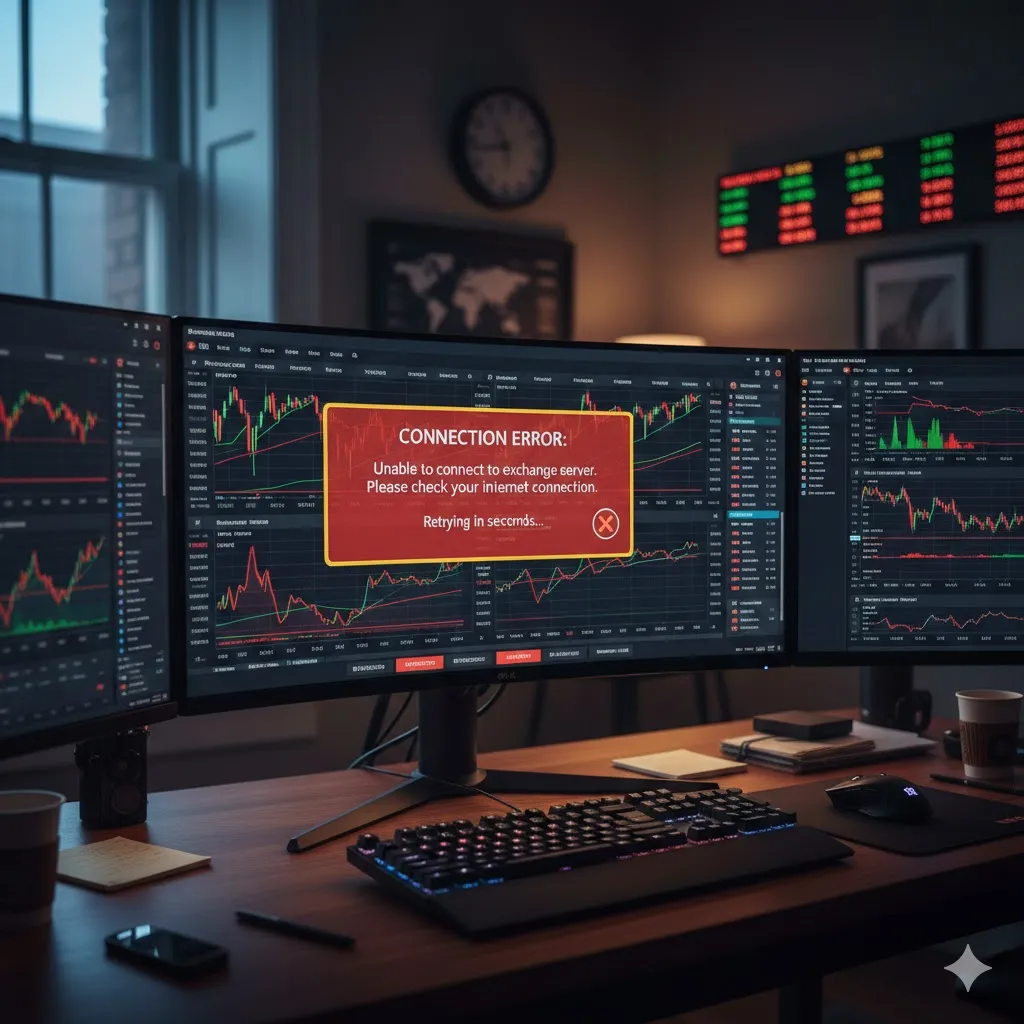
A short outage, delayed price feed, or API change can cause missed trades or unintended orders. A trader in New York experienced losses simply because an exchange API updated without notice, causing the bot to misread order confirmations.
Comparing major bot trading risks
Different risks affect traders in different ways. This comparison highlights the most common ones.
| Risk Type | What Can Go Wrong | Impact Level | User Control |
|---|---|---|---|
| Strategy risk | Market conditions change | High | Medium |
| Technical risk | API or system failure | Medium | Low |
| Overtrading | Excessive fees or losses | Medium | Medium |
| Security risk | Account or API compromise | High | Medium |
Pro Insight
The most dangerous bot trading risk is neglect. Bots need monitoring—not daily micromanagement, but regular review to ensure assumptions still match reality.
Quick Tip
Always start with small capital and observe how the bot behaves across different market conditions before scaling up.

Security and access risks
Bots require access to trading accounts, often through API keys. Poor security practices can expose accounts to theft or unauthorized trades.
Best practices include:
- limiting API permissions
- avoiding withdrawal access
- rotating keys regularly
A freelance trader avoided a major loss by using read-and-trade-only permissions when a third-party bot platform was later compromised.

FAQs
Are trading bots safe to use?
They can be used safely, but they carry real financial and technical risks.
Can bots lose money faster than humans?
Yes. Automation can amplify losses if strategies or conditions fail.
Do trading bots work in all market conditions?
No. Many perform poorly during high volatility or regime changes.
Should beginners use trading bots?
Beginners should proceed cautiously and understand the strategy before using automation.
Is monitoring a bot necessary?
Yes. Regular review is essential to manage risk and adapt to changes.
Conclusion
Bot trading risks don’t come from automation itself—they come from misunderstanding what automation can and cannot do. Bots execute rules efficiently, but they don’t think, adapt, or protect capital on their own. When used with oversight, realistic expectations, and strong security, bots can be tools—not liabilities. Ignoring the risks, however, turns convenience into exposure.
Trusted U.S. Resources
- U.S. Securities and Exchange Commission (SEC): https://www.sec.gov
- FINRA Investor Education: https://www.finra.org
- Commodity Futures Trading Commission (CFTC): https://www.cftc.gov