

 wewe
wewe 
Bitcoin investing has become one of the most widely discussed topics in digital finance. As the first cryptocurrency built on blockchain technology, Bitcoin introduced a decentralized system that allows transactions to occur without traditional financial intermediaries.
For investors exploring digital assets, Bitcoin represents both an emerging technology and a financial instrument whose value can fluctuate significantly over time. Understanding how Bitcoin works, the ways people invest in it, and the risks involved helps create a more informed investment approach.
While interest in Bitcoin continues to expand globally, responsible investing requires awareness of both opportunities and uncertainties.
How Bitcoin Investing Works
Bitcoin investing typically involves purchasing Bitcoin through cryptocurrency exchanges and holding it in a digital wallet. Investors may buy fractional amounts since Bitcoin can be divided into very small units.
Common steps involved in Bitcoin investing include:
• Creating an account with a cryptocurrency exchange
• Verifying identity through the platform
• Depositing funds using bank transfer or other payment methods
• Purchasing Bitcoin and storing it in a digital wallet
Some investors keep Bitcoin on exchange platforms, while others move it to independent wallets for additional security.
Different Approaches to Bitcoin Investing
Investors may choose different strategies depending on their financial goals and tolerance for risk.
Common approaches include:
• Long-term holding to benefit from potential market growth
• Active trading based on short-term market movements
• Diversification by including Bitcoin within a broader investment portfolio
• Dollar-cost averaging, which involves investing small amounts at regular intervals
These strategies reflect different time horizons and risk preferences.
Comparing Bitcoin With Traditional Investments
| Feature | Bitcoin | Traditional Assets |
|---|---|---|
| Market structure | Decentralized digital asset | Regulated financial markets |
| Trading hours | 24/7 global markets | Limited exchange hours |
| Price volatility | Often high | Generally lower volatility |
| Asset backing | Blockchain network value | Company earnings or economic activity |
Because of these differences, Bitcoin behaves differently from conventional financial assets.
Pro Insight
Many experienced investors consider Bitcoin as a high-volatility asset within a diversified portfolio.
Imagine a technology enthusiast allocating a small portion of their investment funds to Bitcoin while maintaining most of their portfolio in diversified stock or bond funds. This approach allows participation in the cryptocurrency market while keeping the majority of investments in more traditional assets.
Balancing exposure in this way can help investors manage uncertainty in emerging markets.
Security Practices for Bitcoin Investors
Security plays a central role in cryptocurrency investing because digital assets rely on cryptographic keys rather than traditional banking systems.
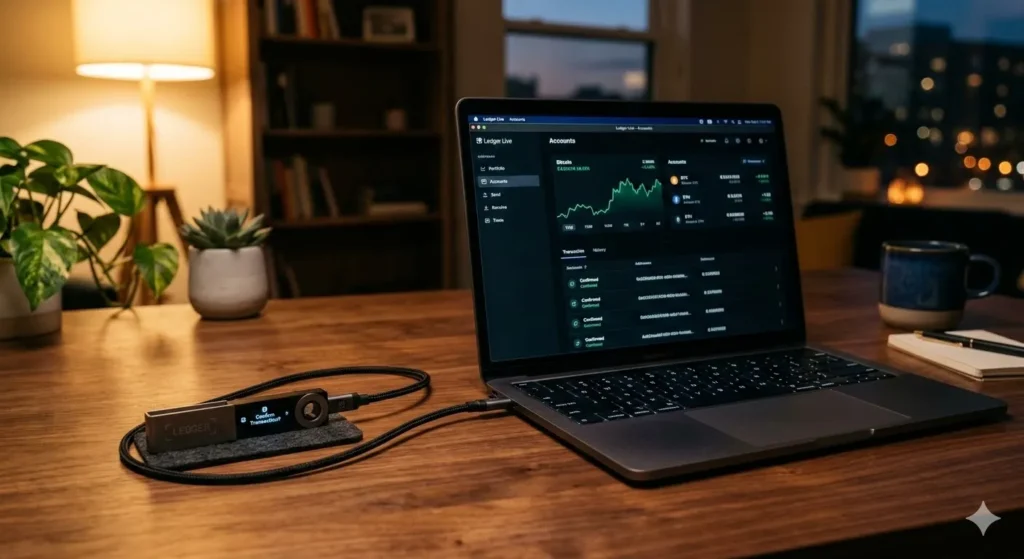
Common security practices include:
• Using hardware wallets for long-term storage
• Enabling two-factor authentication on exchange accounts
• Protecting wallet recovery phrases
• Avoiding suspicious websites or phishing attempts
Maintaining strong security habits helps protect digital assets from unauthorized access.
Quick Tip
Before investing in Bitcoin, take time to understand how cryptocurrency wallets function and how private keys control access to funds.
Learning these fundamentals can prevent common mistakes made by new investors.
Factors That Influence Bitcoin Prices
Bitcoin prices often move due to a variety of influences.
Some of the most common factors include:
• Investor demand and market sentiment
• Regulatory developments around cryptocurrency
• Technological developments in blockchain networks
• Institutional adoption or financial market trends

Because these influences can change quickly, the cryptocurrency market often experiences rapid price movements.
Frequently Asked Questions
What does Bitcoin investing involve?
Bitcoin investing generally involves purchasing the cryptocurrency through exchanges and holding it as part of an investment strategy.
Is Bitcoin considered a risky investment?
Bitcoin is often viewed as a high-volatility asset because its price can change significantly over short periods.
How do people store Bitcoin?
Bitcoin is stored in digital wallets, which may be hosted on exchanges, mobile applications, or dedicated hardware devices.
Can investors buy small amounts of Bitcoin?
Yes. Bitcoin can be divided into very small units, allowing investors to purchase fractional amounts.
Is Bitcoin regulated in the United States?
Digital asset regulation involves multiple agencies depending on the activity involved, such as trading, taxation, or financial oversight.
Conclusion
Bitcoin investing introduces a new type of digital asset built on blockchain technology. While the cryptocurrency market continues to evolve, understanding how Bitcoin works, how it is stored, and how market factors influence its value helps investors approach it with greater clarity.
For many individuals, Bitcoin represents one component of a broader investment strategy rather than a standalone financial plan.
Thoughtful research and balanced expectations remain essential when exploring digital assets.
Trusted U.S. Resources
https://www.sec.gov
https://www.investor.gov
https://www.cftc.gov
https://www.consumer.ftc.gov
This article is for general informational purposes only and does not provide legal, financial, medical, or professional advice. Policies, rates, and regulations may change over time.