

Best Digital Assets 2025 Guide: Understanding Tokens, Crypto, NFTs & Smart Portfolio Strategies for U.S. Investors
 wewe
wewe 
In 2025, digital assets have become a core part of the U.S. financial landscape—from cryptocurrency and tokenized stocks to stablecoins, NFTs, and blockchain-based real-world assets. For investors, creators, and everyday consumers, understanding digital assets is no longer optional. It’s the foundation of how money, ownership, and technology are evolving.
For informational purposes only — not financial or legal advice.
Digital assets represent value in digital form, stored and transferred through blockchain technology. They make markets faster, global, transparent, and accessible. Whether you’re an investor diversifying beyond traditional stocks or a newcomer exploring the digital economy, mastering digital asset basics will give you a real advantage.
What Are Digital Assets?
Digital assets are electronically stored units of value that can be owned, traded, transferred, or used within digital systems. In 2025, digital assets include more than just cryptocurrency—they span financial, creative, and commercial industries.
Categories of Digital Assets
- Cryptocurrencies (Bitcoin, Ethereum)
- Stablecoins (USDC, PYUSD)
- Security Tokens (tokenized stocks or bonds)
- Utility Tokens (platform tokens like ETH, SOL)
- NFTs (digital collectibles, art, memberships)
- Tokenized Real-World Assets (RWAs) (real estate, treasuries, commodities)
- Digital identity & credentials
- Metaverse assets
Digital assets are reshaping how Americans invest, store money, and participate in global markets.
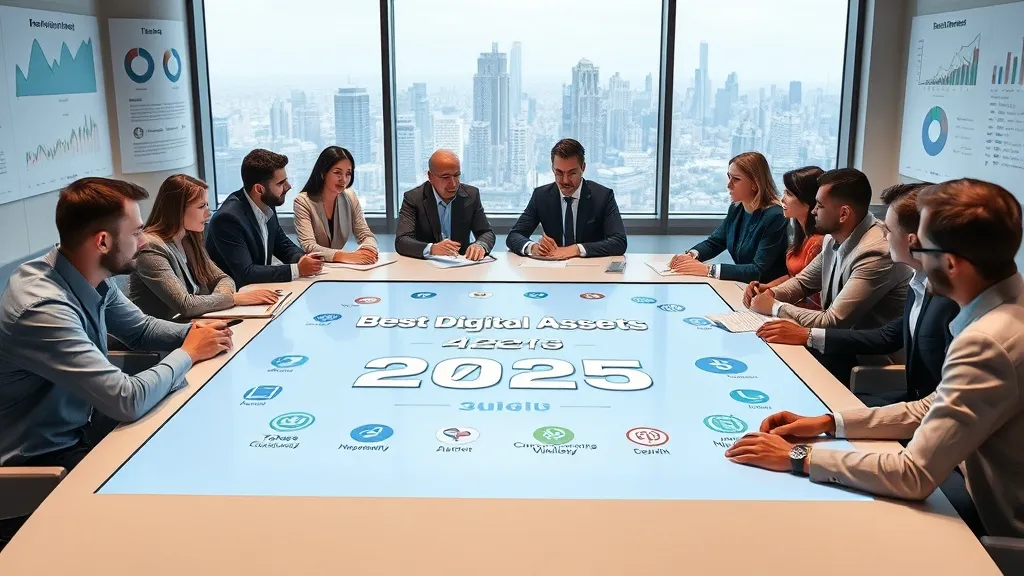
How Digital Assets Work (Simple Breakdown)
Digital assets rely on blockchain, a decentralized digital ledger that records transactions across a global network of computers.
Key characteristics:
- Decentralization: no single authority controls ownership
- Transparency: all transactions visible
- Security: protected by cryptography
- Programmability: assets can execute automated actions (smart contracts)
- Transferability: global and instant
Think of digital assets as programmable money and programmable ownership—flexible, secure, and borderless.
Types of Digital Assets Explained
1. Cryptocurrencies
Digital money used for payments, savings, or trading.
Examples:
- Bitcoin → digital gold
- Ethereum → decentralized computing
- Solana → fast transactions
2. Stablecoins
Tokens pegged to the U.S. dollar for predictable value.
Popular for:
- Payments
- Saving
- Trading liquidity
3. NFTs
Unique digital items that represent:
- Art
- Memberships
- Tickets
- Intellectual property
4. Tokenized Real-World Assets (RWAs)
The fastest-growing digital asset class in 2025.
Examples:
- Tokenized Treasury bills
- Tokenized real estate
- Tokenized commodities
5. Utility & Governance Tokens
Grant access, voting rights, or usage within blockchain platforms.

Why Digital Assets Matter in 2025
1. Faster, Cheaper Finance
International transfers settle in seconds, not days.
2. More Access
Anyone with a smartphone can participate.
3. Transparency
Blockchain records reduce fraud and manipulation.
4. Lower Costs
Fewer middlemen = lower transaction fees.
5. New Income Opportunities
Staking, lending, token rewards, creator royalties, and more.
6. Diversification
Digital assets behave differently from traditional markets.
Risks of Digital Assets (Every Investor Must Know)
Digital assets offer opportunity—but also risk.
Market Risk
High volatility, especially in altcoins.
Cybersecurity Risk
Exchanges, wallets, and smart contracts can be vulnerable.
Regulatory Risk
The U.S. continues shaping digital asset policy.
Scams & Frauds
Fake projects, rugpulls, phishing attacks.
Custody Risk
Incorrect storage can lead to permanent loss.
Quick Tip:
Use hardware wallets for long-term storage and avoid sending assets to unknown addresses.
How to Start Investing in Digital Assets
1. Choose a U.S.-regulated platform
Examples:
- Coinbase
- Kraken
- Fidelity Digital Assets
2. Start with high-quality assets
- Bitcoin
- Ethereum
- Top stablecoins
3. Build a diversified digital portfolio
Avoid putting everything into one token or category.
4. Protect your assets
Use:
- Hardware wallets
- 2FA
- Secure seed phrase storage
5. Keep learning
Digital assets evolve fast; ongoing education is essential.
Pro Insight: Why Tokenization Is the Future
In 2025, major U.S. financial institutions—including BlackRock, Franklin Templeton, and JPMorgan—actively tokenize real-world assets. This shift makes traditional assets faster, more transparent, and globally tradable.
Analysts estimate the global tokenization market could reach $5 trillion by 2030, with U.S. Treasuries leading adoption.
Tokenization is to finance what streaming was to entertainment: inevitable.
Comparison Table: Major Digital Asset Types
| Digital Asset | Benefit | Risk | Best For | Notes |
|---|---|---|---|---|
| Bitcoin | Store of value | Medium | Long-term investors | Most established |
| Ethereum | Utility ecosystem | Medium | Builders & investors | Smart contracts |
| Stablecoins | Stability | Low–Medium | Payments & savings | Peg maintenance varies |
| NFTs | Digital ownership | High | Creators & collectors | Speculative |
| RWAs | Real-world yield | Low–Medium | Income-focused investors | Rapidly expanding |
Frequently Asked Questions
What are digital assets in simple terms?
Digital assets are electronic forms of value—such as Bitcoin, NFTs, or tokenized real estate—stored securely on blockchain technology.
Are digital assets safe?
They can be safe when stored properly, but investors face risks like volatility, hacks, and regulatory changes.
Do I need a crypto wallet to hold digital assets?
Yes, most digital assets require wallet storage. Hardware wallets offer the highest security.
What’s the difference between crypto and digital assets?
Crypto is one type of digital asset. Digital assets include NFTs, stablecoins, tokenized securities, and more.
Can digital assets generate income?
Yes—through staking, lending, yield-bearing RWAs, and royalties (NFTs), depending on the asset type.
External Authority Sources
https://www.consumerfinance.gov
https://www.usa.gov
https://www.census.gov