
Beginner Crypto Guide 2025: Safe Steps, Smart Strategies & Everything U.S. New Investors Must Know
 wewe
wewe 
Cryptocurrency is no longer a niche topic—it’s a major part of the American financial landscape. But for beginners, the crypto world can feel overwhelming. New terms, fast-moving prices, thousands of coins, technical concepts… where do you even start?
This Beginner Crypto Guide 2025 breaks everything down into clear, simple actions so you can invest confidently and safely.
For informational purposes only — not financial or legal advice.
What Is Cryptocurrency? (Beginner Definition)
Cryptocurrency is digital money secured by blockchain, a public ledger that records transactions transparently and cannot be changed.
The two most important cryptocurrencies:
- Bitcoin (BTC) → digital gold
- Ethereum (ETH) → powers apps, tokens, smart contracts
Most beginners start with these before exploring anything else.
How to Start Investing in Crypto (Beginner Roadmap)
1. Pick a U.S.-regulated Exchange
Trusted options:
- Coinbase
- Kraken
- Gemini
- Fidelity Crypto
Look for:
- FDIC-insured USD balances
- Clear fees
- Strong security
- Easy withdrawals
Avoid offshore exchanges—high risk for beginners.
2. Verify Your Identity (KYC)
Required by law.
Takes 3–5 minutes.
3. Deposit Funds
Most common method: ACH bank transfer
It has low fees and works for most U.S. users.
4. Start With Core Assets
Begin with strong, established coins:
Bitcoin (BTC)
Most stable and widely adopted.
Ethereum (ETH)
Used across decentralized finance (DeFi), apps, and smart contracts.
Pro Tip:
Start with BTC + ETH = 70–90% of your early portfolio.
How to Store Your Crypto (Wallet Basics)
A wallet protects your digital money.
Two types:
1. Hot Wallets (App-Based)
- Simple to use
- Great for beginners
- Connected to internet
2. Hardware Wallets (Cold Storage)
- Offline
- Best protection
- Ideal once your portfolio grows
Examples: Ledger, Trezor
Quick Tip:
If you’re investing long-term, use hardware wallets. Never store large amounts on exchanges.
Beginner Portfolio Example (Safe & Simple)
Here’s a starter model many U.S. beginners follow:
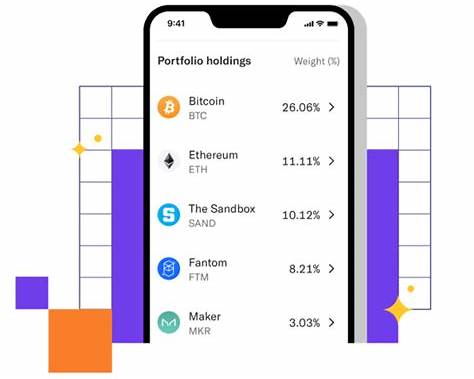
- 60% Bitcoin
- 30% Ethereum
- 10% Stablecoins (USDC)
As you learn, expand slowly:
- Add 1–2 Layer-1 networks (Solana, Avalanche)
- Explore staking with reputable providers
- Avoid high-risk coins early
Biggest Beginner Mistakes (Avoid These)
❌ Buying meme coins too early
❌ Trading with emotions
❌ Investing too much at once
❌ Not understanding wallets
❌ Falling for scams or fake airdrops
❌ Using leverage (beginners should NEVER use it)
Professional crypto investors don’t “guess and gamble”—they use rules.
Staying Safe in Crypto (Beginner Security Rules)
1. Enable 2FA (Authenticator App—not SMS)
2. Never share your private keys
3. Double-check website URLs
4. Use hardware wallets for savings
5. Avoid “guaranteed return” offers
6. Don’t click random wallet connection pop-ups
Crypto safety is 80% common sense and 20% tools.
Beginner Investment Strategies
Dollar-Cost Averaging (DCA)
Investing fixed amounts weekly or monthly.
Benefits:
- Reduces emotion
- Smooths market volatility
- Works long-term
Long-Term Holding (“HODL”)
Best strategy for beginners.
Avoid Day Trading
It’s extremely difficult—even for experts.
Pro Insight: Crypto Rewards Patience, Not Speed
Most beginners lose money not because crypto is bad—but because they rush:
- Buying hype
- Selling fear
- Jumping into complex apps too early
If you learn slowly, invest steadily, and secure your assets properly, crypto becomes much safer and more rewarding.
Comparison Table: Beginner Crypto Tools (2025)
| Tool | Benefit | Cost | Notes |
|---|---|---|---|
| Hardware Wallet | Maximum security | $$ | Best for long-term investors |
| Regulated Exchange | Easy buying | $ | Safer on-ramps |
| Price Alerts Apps | Smart timing | Free | Prevent emotional decisions |
| Portfolio Tracker | Organization | Free–$ | Helps tax tracking |
| Educational Platforms | Skill-building | Free | Learn before investing |
Frequently Asked Questions
How much money do I need to start?
Most exchanges allow you to begin with as little as $10, making crypto highly accessible.
What should beginners invest in first?
Bitcoin and Ethereum—they’re stable, widely adopted, and form the backbone of the crypto ecosystem.
How do I keep my crypto safe?
Use hardware wallets, strong passwords, 2FA, and avoid clicking unknown links.
Should beginners use leverage?
No. Leverage amplifies losses and is one of the fastest ways beginners wipe out accounts.
Is crypto a good long-term investment?
Many Americans use crypto as part of a diversified portfolio, but it carries risks and should be researched thoroughly.
External Authority Sources
https://www.consumerfinance.gov
https://www.usa.gov
https://www.census.gov