
 wewe
wewe 
Avoid crypto scams — because in 2026, digital currency fraud has become more sophisticated, more convincing, and more emotionally manipulative than ever. Cryptocurrency itself isn’t the problem. The real threat comes from scammers who exploit hype, urgency, and trust.
If you’ve ever received a sudden investment tip, a guaranteed return promise, or a “limited-time” crypto opportunity, you’ve seen how convincing these schemes can be. The good news? Most scams follow predictable patterns. Once you recognize them, you can shut them down quickly.
Why Crypto Scams Are Exploding in 2026
Cryptocurrency adoption has grown across the U.S., with more mainstream exchanges, ETFs, and blockchain-based services. Meanwhile, scammers have adapted just as fast.
Common factors driving scams include:
- Social media investment hype
- AI-generated fake endorsements
- Deepfake videos of public figures
- Phishing emails mimicking exchanges
- Fake crypto recovery services
For example, a retiree in Arizona was contacted through social media by someone posing as a financial mentor. After months of friendly conversation, she was persuaded to transfer crypto to a “secured platform.” The website looked real — until her funds disappeared overnight.
The Most Common Crypto Scams to Watch
Understanding the tactics is your first defense.
Investment “Guaranteed Return” Schemes
Any promise of guaranteed profits in crypto is a red flag. Legitimate investments carry risk.
Romance and Relationship Scams
Scammers build emotional connections before introducing a crypto “investment opportunity.”
Phishing Emails and Fake Exchanges
Emails may claim urgent account problems and ask for private keys or login details.
Impersonation Scams
Fraudsters pose as government agencies, celebrities, or crypto influencers using AI-generated content.
Recovery Scams
After someone loses crypto, a new scammer offers to “recover” funds — for an upfront fee.
How to Verify Before You Invest
Before sending any crypto, pause.
| Red Flag | What It Means | What To Do |
|---|---|---|
| Guaranteed profits | No risk claim | Walk away immediately |
| Pressure to act fast | Urgency tactic | Take 24 hours before deciding |
| Request for private key | Full wallet access | Never share |
| Unknown exchange link | Phishing attempt | Type official URL manually |
| Payment only in crypto | Hard to trace | Verify legitimacy first |
Legitimate platforms never ask for your private keys or seed phrases.
Protect Your Wallet and Accounts
Crypto security starts with control.
Use Hardware Wallets
Cold storage wallets reduce exposure to online threats.
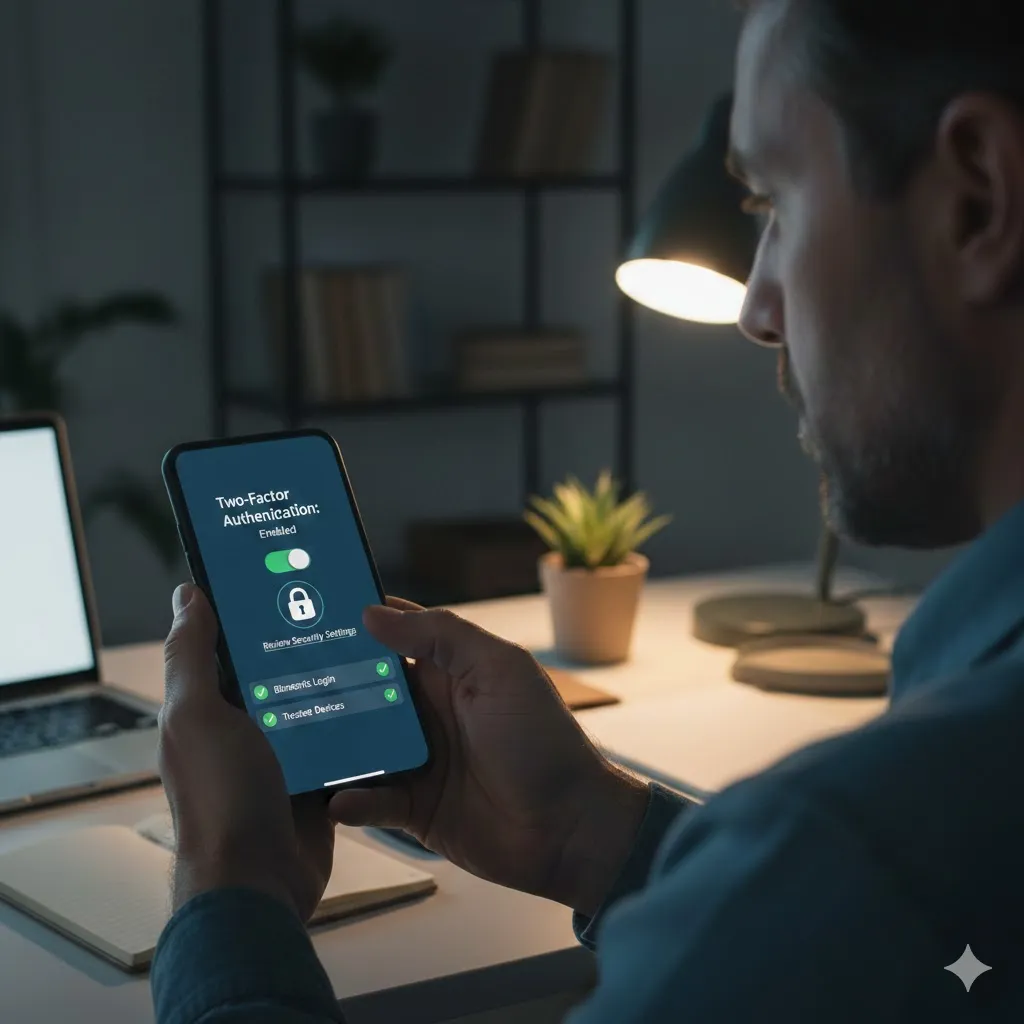
Enable Two-Factor Authentication
Always activate 2FA on exchanges and wallets.
Verify URLs Carefully
Bookmark official exchange websites. Many phishing pages differ by just one letter.
A small typo can lead to a convincing fake login screen.

Watch for Emotional Manipulation
Scammers rely on urgency and trust-building.
They may say:
- “This opportunity won’t last.”
- “Only select investors are invited.”
- “You’ll miss out if you wait.”
However, legitimate investments do not require secrecy or immediate transfers.
Pro Insight
If someone insists you move funds off a regulated U.S. exchange into a private wallet or unknown platform, stop immediately. That’s often the point where victims lose control of their assets permanently.
Use Official U.S. Resources
If you suspect fraud:
- Report it to the Federal Trade Commission
- File a complaint with the FBI’s Internet Crime Complaint Center (IC3)
- Notify your exchange immediately
Early reporting may not always recover funds, but it helps authorities track patterns and protect others.
Quick Tip
Before investing in any crypto project, search the company name plus the word “scam” or “complaint.” Victim reports often surface quickly online.
Frequently Asked Questions
Can crypto transactions be reversed?
Generally, no. Blockchain transactions are typically irreversible once confirmed.
Are crypto giveaways on social media real?
Most are scams. Be cautious of celebrity impersonation or “double your crypto” offers.
How do I know if a crypto platform is legitimate?
Research whether it is registered with U.S. regulators and review independent user feedback carefully.
Is it safe to share my wallet address?
Sharing a public wallet address is usually safe, but never share your private key or recovery phrase.
What should I do if I already sent crypto to a scammer?
Contact your exchange immediately and report the incident to federal authorities. Acting quickly may help limit further damage.
Conclusion
To avoid crypto scams, you don’t need to avoid cryptocurrency entirely — you need awareness, patience, and strong digital hygiene.
Slow down when money is involved. Verify every platform. Guard your private keys like cash. Scammers thrive on urgency and secrecy, but informed users shut them down quickly.
Stay cautious. Stay informed. Protect your digital assets as seriously as your bank account.
Trusted U.S. Resources
Federal Trade Commission – Cryptocurrency Scams
https://www.ftc.gov
FBI Internet Crime Complaint Center (IC3)
https://www.ic3.gov
U.S. Securities and Exchange Commission – Investor Alerts
https://www.investor.gov
Commodity Futures Trading Commission – Virtual Currency Advisory
https://www.cftc.gov
This article is for general informational purposes only and does not provide legal, financial, medical, or professional advice. Policies, rates, and regulations may change over time.