
 wewe
wewe 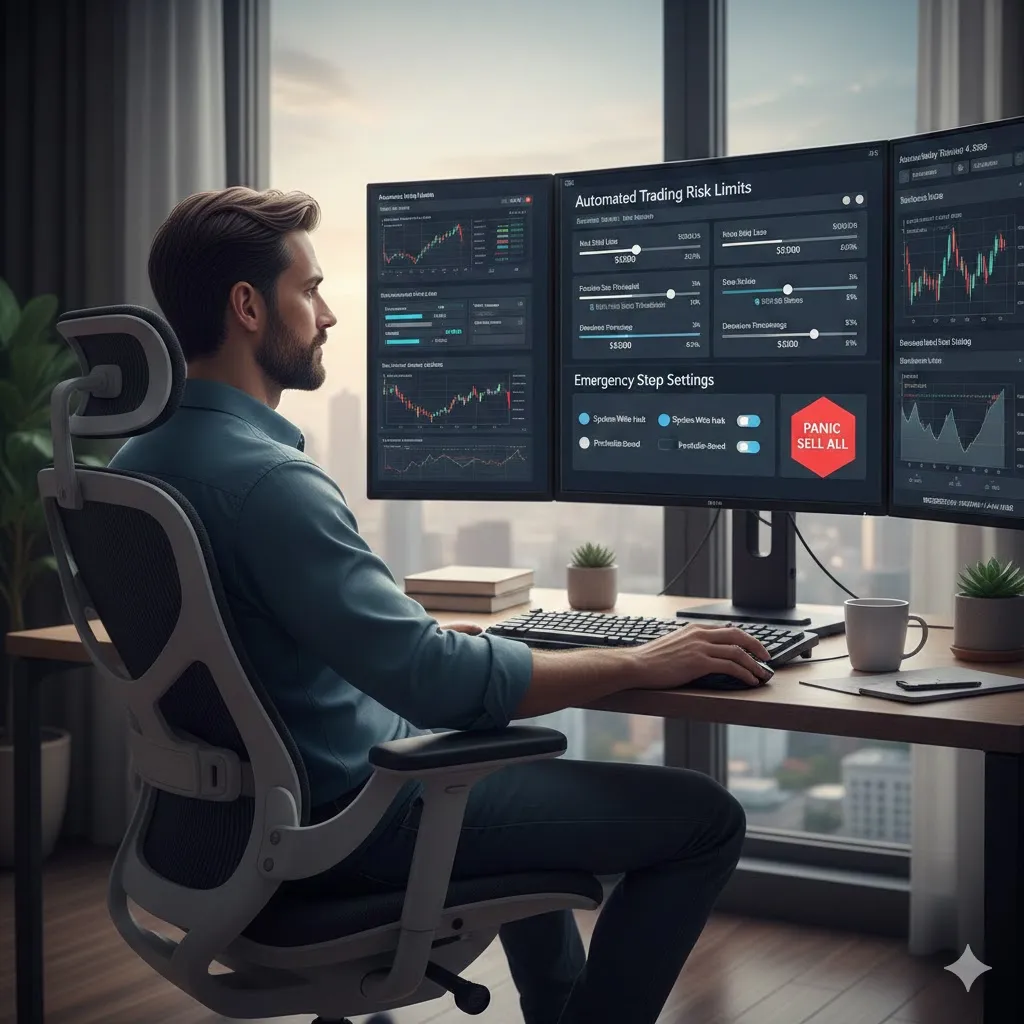
Learn how automated trading works, common strategies, risks, and safeguards to use automation without losing control.
Markets move faster than ever, and automated trading has become a practical way to keep up. By letting software execute predefined rules, traders aim to remove emotion, improve consistency, and operate around the clock.
Still, automation doesn’t eliminate risk. It shifts responsibility from moment-to-moment decisions to system design. Understanding that shift is what separates controlled automation from costly mistakes.
What Automated Trading Really Means
Automated trading uses software to place and manage trades based on rules you define in advance. These rules might involve price levels, indicators, time schedules, or risk limits.
Consider a simple real-life scenario: instead of watching charts all day, a trader sets rules to enter only when conditions align and exit when risk thresholds are hit. The system executes instantly, even if the trader is offline.
Automation isn’t about prediction. It’s about execution discipline.
Common Automated Trading Approaches
Different strategies suit different market conditions and personalities.
Rule-based trading systems follow technical indicators or price patterns.
Grid-style automation operates within defined ranges, buying and selling repeatedly.
Time-based automation executes trades on schedules or sessions.
Risk-management automation focuses on stops, position sizing, and exposure limits rather than entries.
Most durable systems emphasize risk control first and signal logic second.
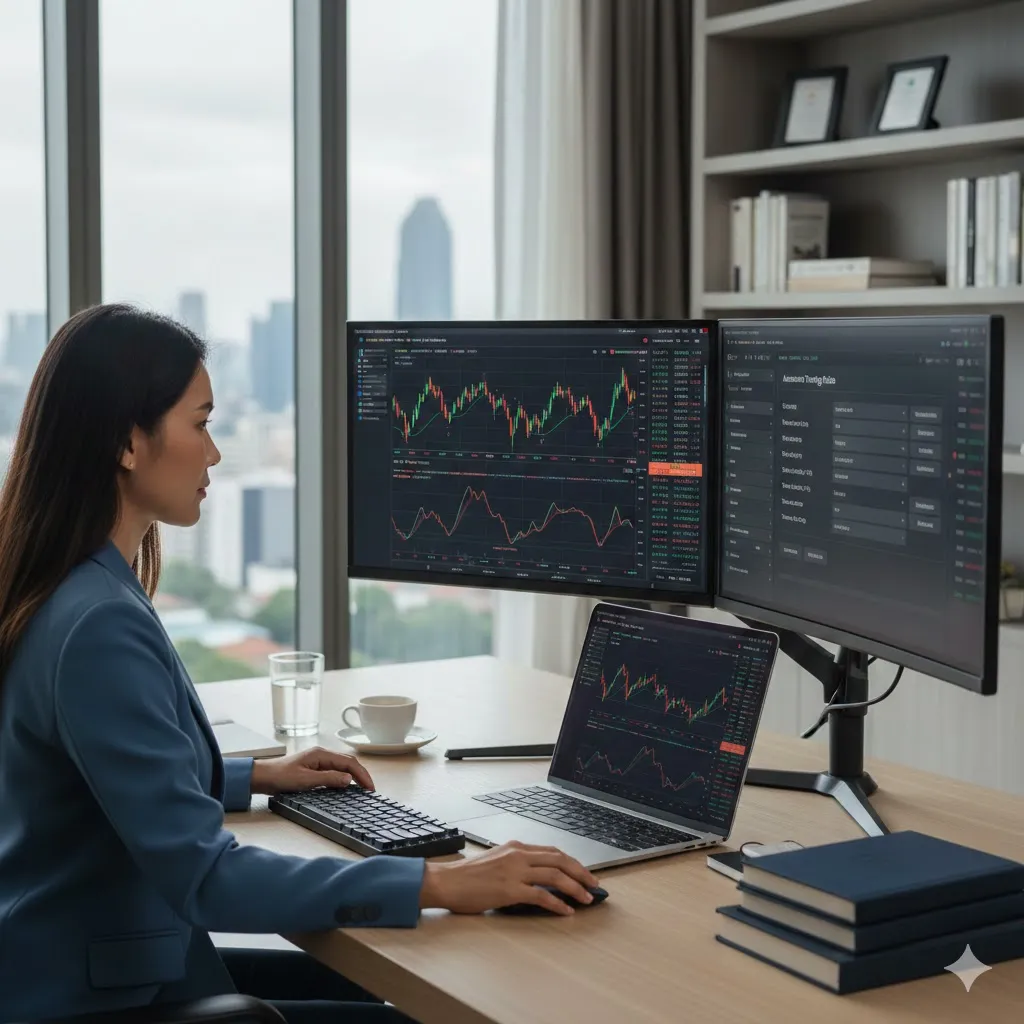
Why Traders Use Automation
Automation shines where humans struggle.
It removes emotional reactions, executes orders instantly, and enforces rules consistently. For example, during sudden volatility, an automated system can exit positions exactly as planned—without hesitation or second-guessing.
However, automation also amplifies flaws. A weak rule applied consistently is still weak.
Automated Trading Methods Compared
| Method | Best For | Strength | Primary Risk |
|---|---|---|---|
| Rule-based bots | Structured strategies | Consistency | Overfitting |
| Grid automation | Sideways markets | Frequent trades | Trend breakouts |
| Time-based systems | Session trading | Discipline | Missed moves |
| Risk-focused automation | Capital protection | Stability | Reduced upside |
| Hybrid systems | Experienced users | Flexibility | Complexity |
This comparison helps align automation style with goals and tolerance.
Risks That Matter More Than Speed
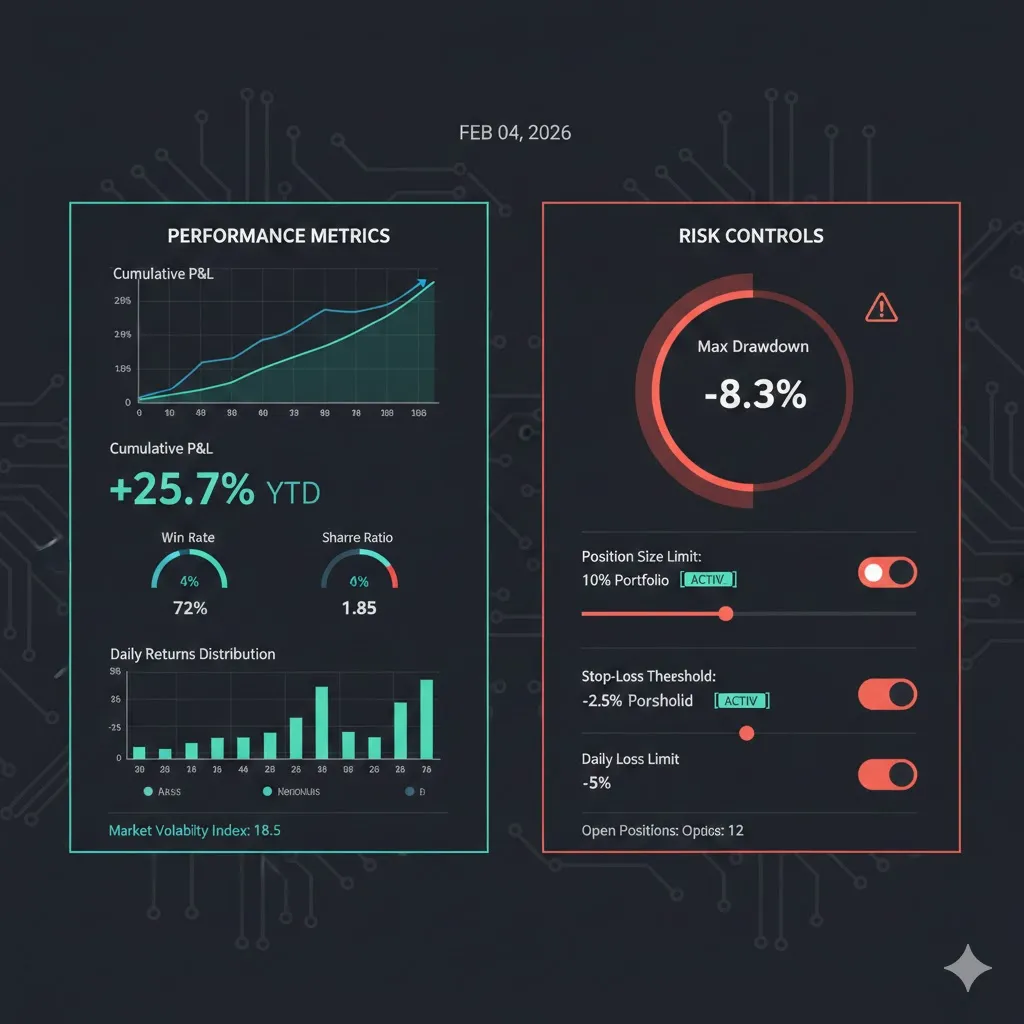
Automation fails differently than manual trading. It fails systematically.
Execution costs, slippage, API errors, and exchange outages can all disrupt outcomes. Overtrading is another hidden danger—systems that trade too often may bleed slowly through fees.
A common mistake is trusting backtests without accounting for real-world conditions.
Safeguards That Make Automation Sustainable
Strong safeguards turn automation into a tool, not a liability.
Clear position limits prevent overexposure. Loss caps pause trading after damage. Testing systems with small capital reveals behavior before scale.
Automation works best when it’s boring, predictable, and tightly constrained.
Disclaimer
This article is for general informational purposes only and does not constitute financial, investment, or trading advice. Automated trading involves risk and may result in losses.
Pro Insight
Automation should enforce discipline you already trust. If you wouldn’t trade a rule manually, you shouldn’t automate it.
Quick Tip
Always include a manual override or kill switch—automation should pause when markets behave outside tested conditions.
Frequently Asked Questions
Is automated trading suitable for beginners?
It can be, but only with simple rules and strict risk limits.
Does automated trading guarantee profits?
No. Automation improves execution, not prediction.
How often should automated systems be reviewed?
Regularly—especially after high volatility or rule changes.
Can automation work in all markets?
Some strategies depend heavily on market structure and liquidity.
What’s the biggest automation mistake?
Letting systems run unchecked without loss limits or monitoring.
Conclusion
Automated trading is most powerful when it prioritizes control over speed. By focusing on risk limits, clear rules, and realistic expectations, traders can use automation to support—not replace—good decision-making.
In the end, automation doesn’t remove responsibility. It concentrates it.
Trusted U.S. Resources
U.S. Securities and Exchange Commission — Automated Trading Systems
https://www.sec.gov
FINRA — Algorithmic and Automated Trading Risks
https://www.finra.org
CFTC — Automated Trading and Market Risk
https://www.cftc.gov