
 wewe
wewe 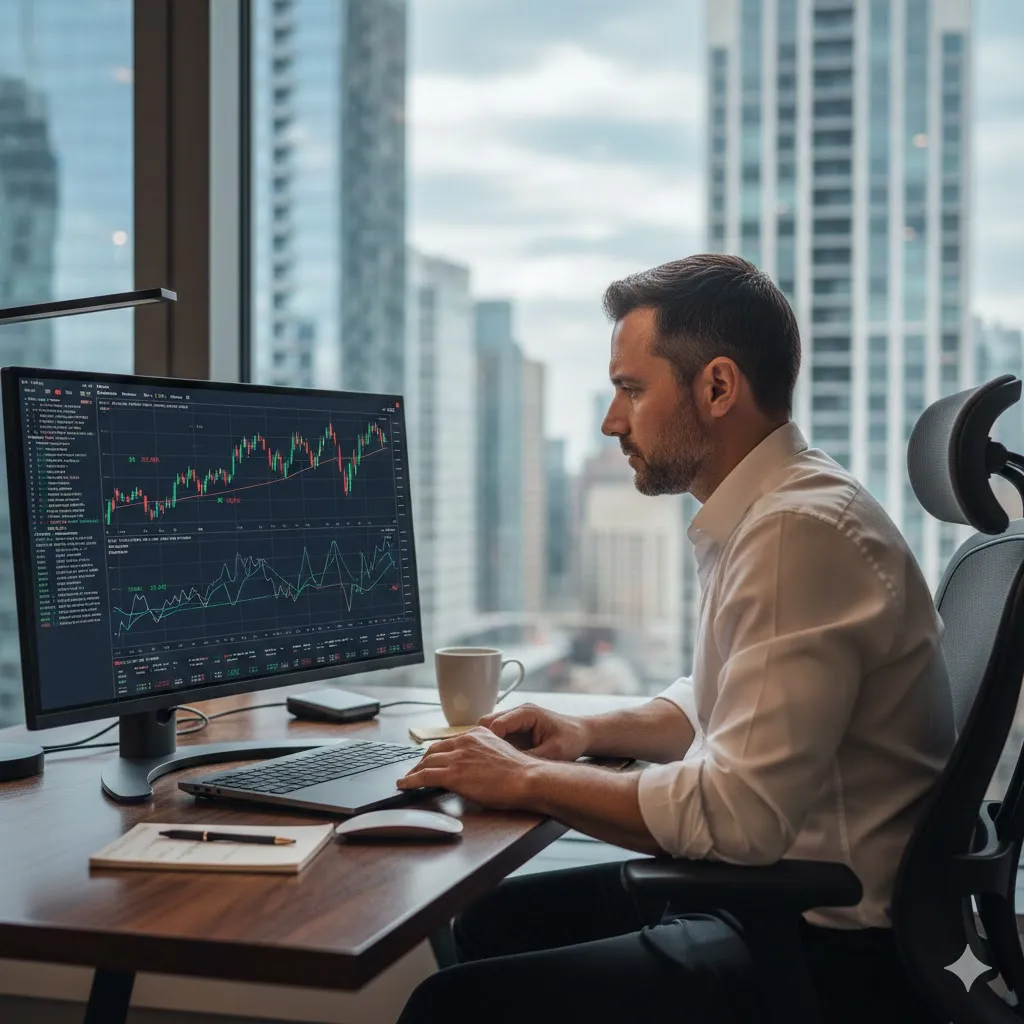
Learn how algorithmic trading works, common strategies, risks, and how traders use automation responsibly.
Algorithmic trading has reshaped modern markets by replacing manual clicks with predefined rules and automated execution. Instead of reacting emotionally, traders design systems that follow logic, discipline, and consistency—executing trades in milliseconds.
But speed alone isn’t the edge. The real advantage of algorithmic trading comes from control, not complexity.
What Algorithmic Trading Really Is
Algorithmic trading uses computer programs to place and manage trades based on a set of rules. These rules can be based on price, volume, timing, volatility, or risk thresholds.
A simple real-life scenario: instead of watching charts all day, a trader programs a system to enter only when conditions align and exit automatically when risk limits are reached. The system executes instantly, even if the trader is offline.
At its core, algorithmic trading is about execution discipline, not prediction.
Common Algorithmic Trading Strategies
Algorithmic strategies vary widely, but most fall into a few broad categories.
Trend-following systems aim to ride sustained price moves using indicators or breakouts.
Mean reversion strategies look for prices to return to historical averages.
Grid and range-based systems profit from sideways markets through repeated buy and sell orders.
Execution algorithms focus on reducing slippage and market impact for large orders.
The strategy itself matters less than how well it’s tested, sized, and controlled.
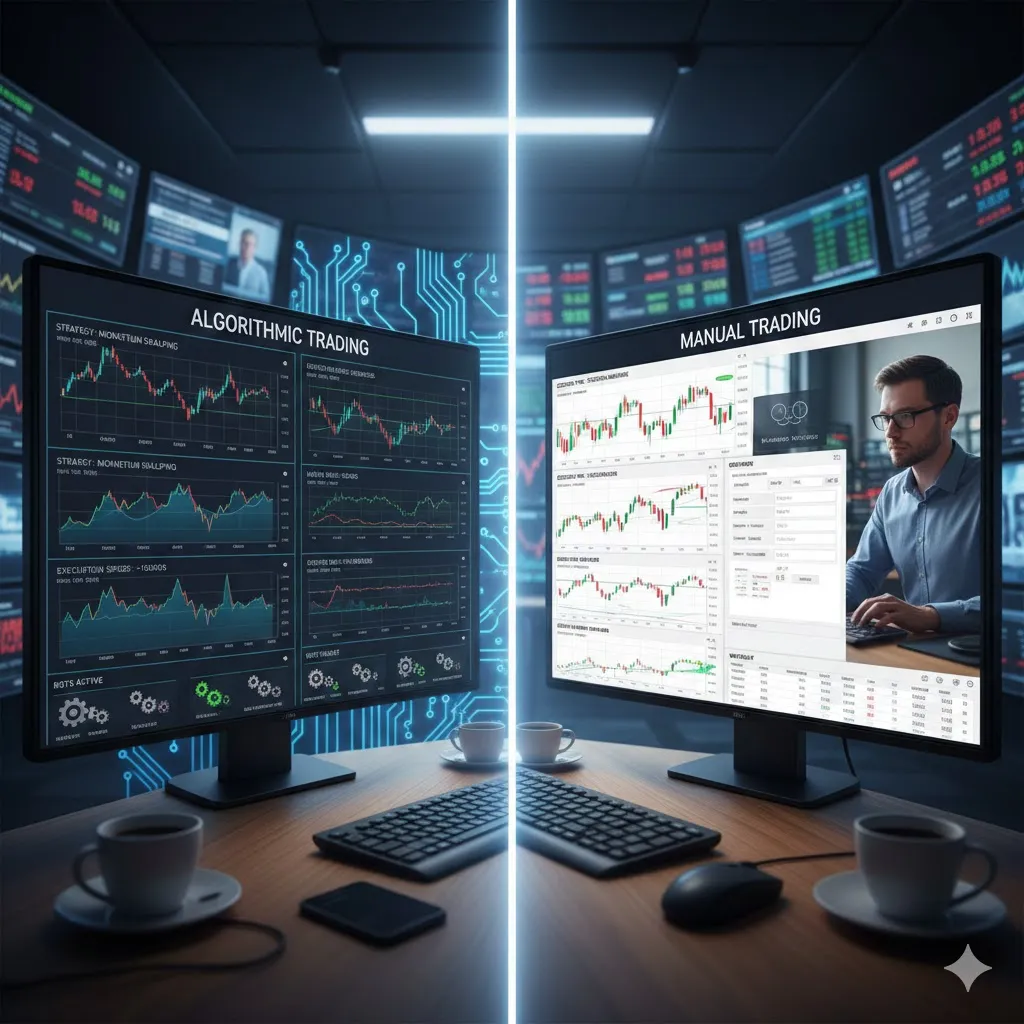
How Algorithmic Trading Compares to Manual Trading
| Aspect | Algorithmic Trading | Manual Trading |
|---|---|---|
| Execution speed | Instant | Slower |
| Emotional influence | None | High |
| Consistency | High | Variable |
| Flexibility | Rule-based | Intuitive |
| Error type | Systematic | Emotional |
This comparison explains why automation improves consistency—but also why mistakes can scale quickly if rules are flawed.
Risks That Matter More Than the Strategy
Algorithmic trading doesn’t remove risk—it concentrates it.
Poorly tested logic, incorrect assumptions about liquidity, or missing safeguards can lead to rapid losses. Overfitting is another common problem: a strategy works perfectly on past data but fails in live markets.
A frequent mistake is letting systems run unattended without limits, assuming automation equals safety. It doesn’t.
Risk Controls That Make Algorithms Survivable
Strong algorithms are designed to stop themselves.
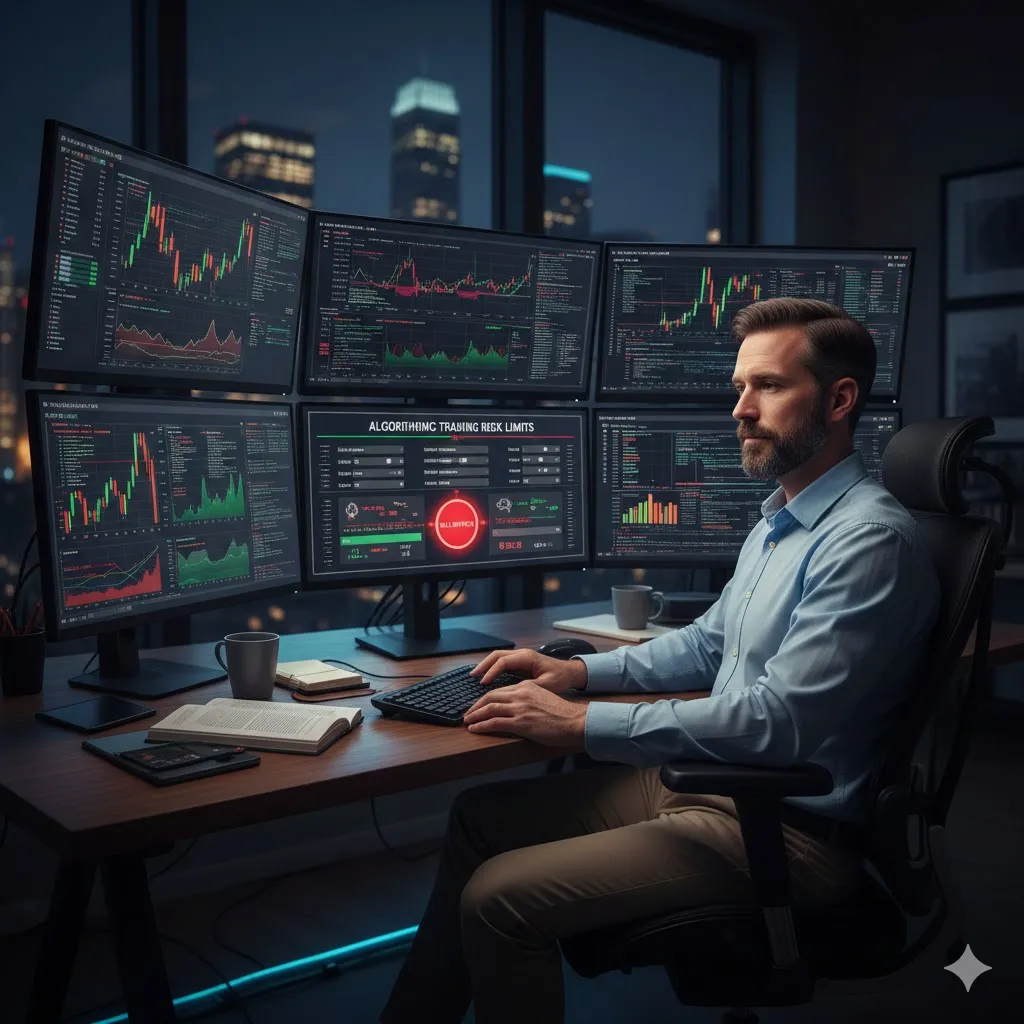
Hard position limits prevent runaway exposure. Daily loss caps pause trading after damage. Kill switches shut systems down during abnormal volatility or technical failures.
The goal isn’t constant trading—it’s controlled participation.
Disclaimer
This article is for general informational purposes only and does not constitute financial, legal, or investment advice. Trading involves risk and may result in losses.
Pro Insight
The most reliable algorithmic traders spend more time defining when not to trade than optimizing entry signals.
Quick Tip
If you can’t explain your trading rule clearly in one sentence, it’s probably too fragile to automate.
Frequently Asked Questions
What is algorithmic trading?
It’s the use of computer programs to execute trades automatically based on predefined rules.
Is algorithmic trading only for professionals?
No. Many retail traders use simplified algorithms or platforms with built-in tools.
Does algorithmic trading guarantee profits?
No. It improves execution, not market prediction.
Can algorithms trade during all market conditions?
Some strategies are condition-specific and fail outside their designed environments.
What’s the biggest risk in algorithmic trading?
Uncontrolled automation—systems trading without limits or oversight.
Conclusion
Algorithmic trading is most powerful when it emphasizes discipline over speed and control over complexity. By combining clear rules with strict risk management, traders can use automation to reduce emotional mistakes and execute consistently.
The strongest algorithms aren’t clever—they’re resilient.
Trusted U.S. Resources
U.S. Securities and Exchange Commission — Algorithmic Trading
https://www.sec.gov
FINRA — Algorithmic and High-Frequency Trading
https://www.finra.org
Commodity Futures Trading Commission — Automated Trading Risks
https://www.cftc.gov